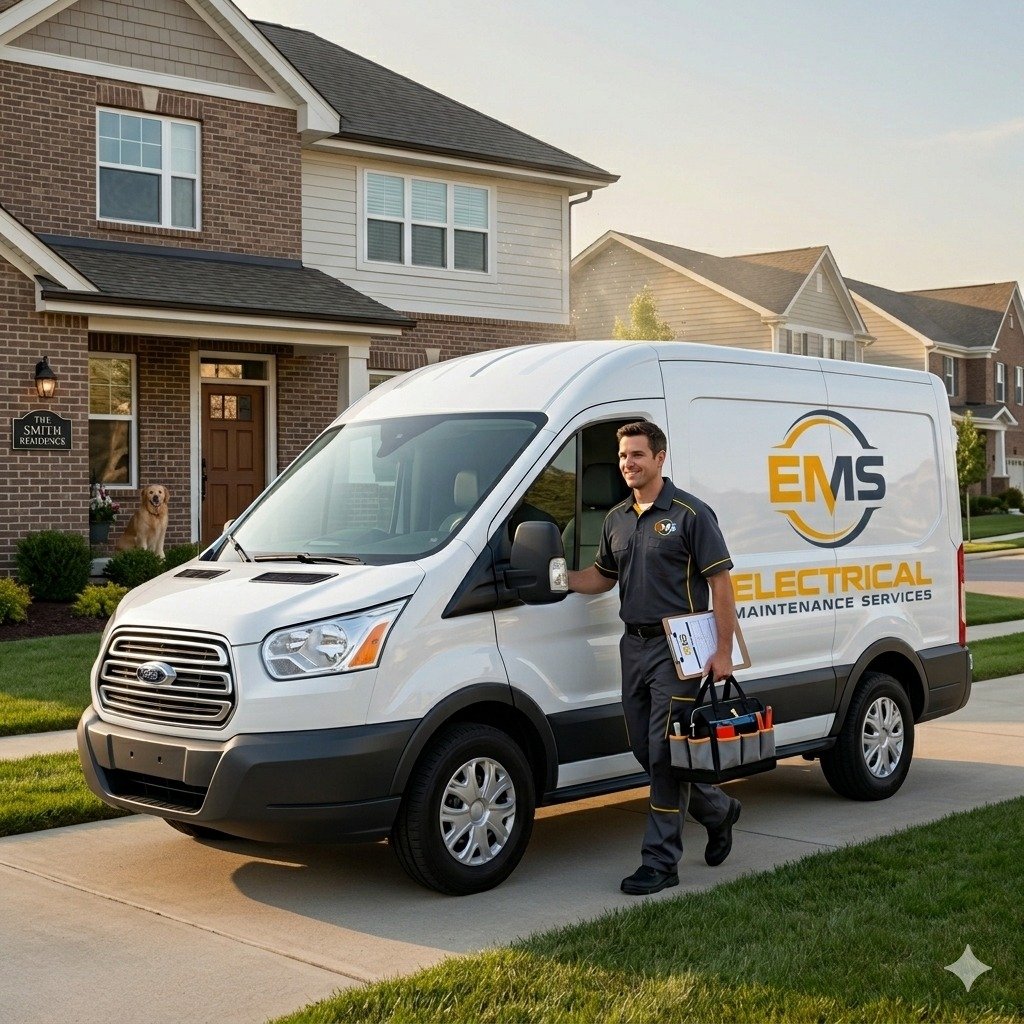
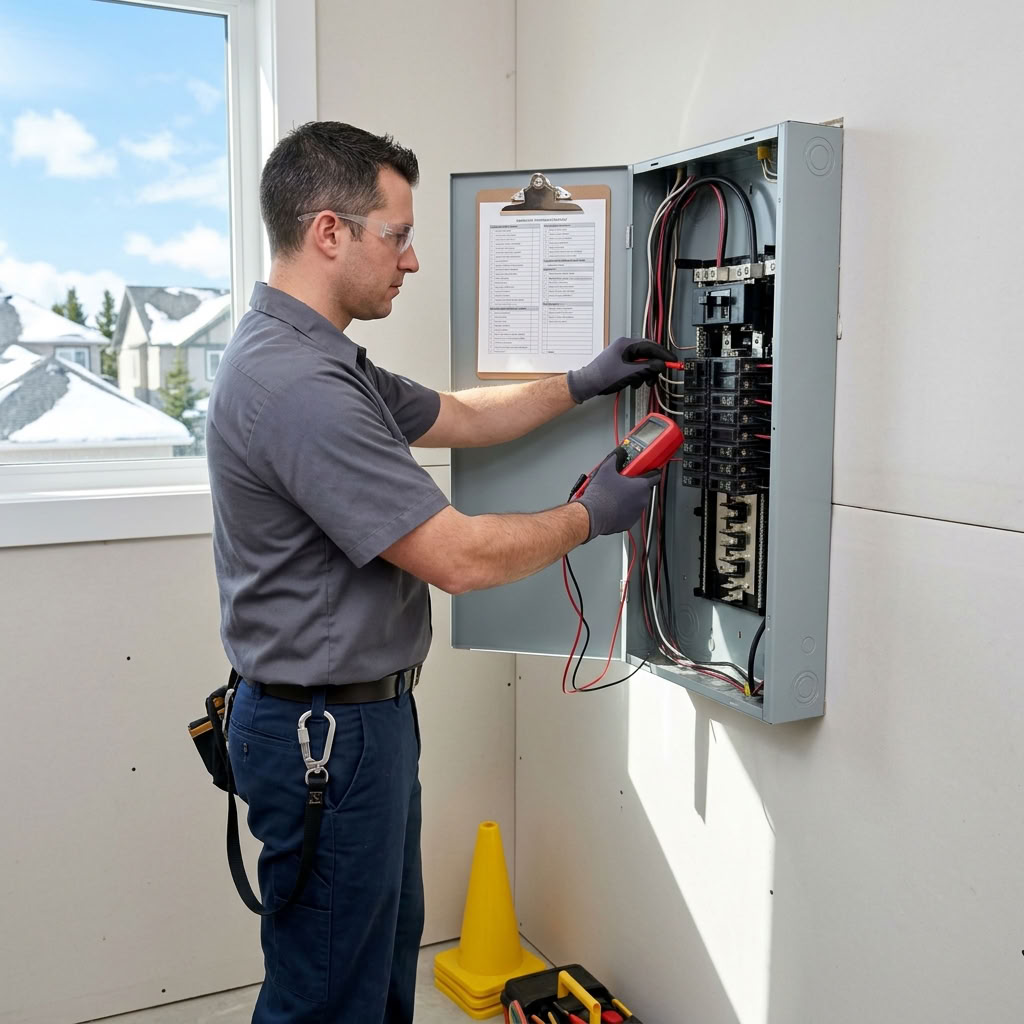
Electrical problems rarely announce themselves. A faulty breaker, deteriorating wiring, or an overloaded circuit can go unnoticed for months before causing a fire, equipment failure, or worse. That is why an electrical safety inspection is one of the most important steps Calgary homeowners and business owners can take to protect their property and the people inside it. This checklist breaks down exactly what a licensed electrician looks for during an inspection, how often you should schedule one, and what to expect when working with a qualified team like Electrical Maintenance Services.
What Is an Electrical Safety Inspection?
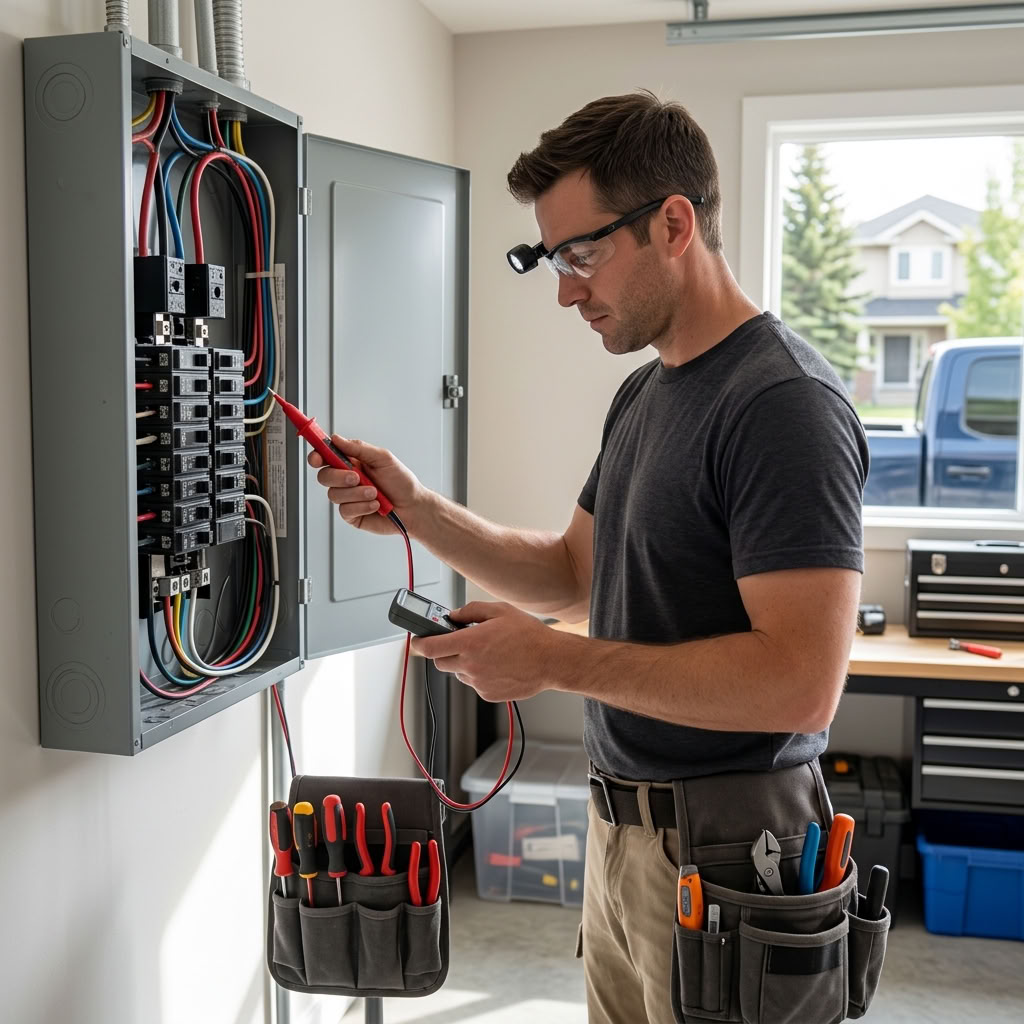
An electrical safety inspection is a thorough review of your property’s entire electrical system, carried out by a licensed and insured electrician. It goes well beyond a routine maintenance visit. Where a standard maintenance call typically addresses a specific problem you have already noticed, a safety inspection is proactive. The electrician examines your wiring, panels, outlets, fixtures, and protection devices from top to bottom, looking for issues that have not yet caused visible problems but could.
In Alberta, these inspections must be performed by licensed professionals who understand and follow Alberta electrical codes. These regulations set the minimum safety standards for how electrical systems must be installed, maintained, and upgraded across the province. Working with a team that knows these requirements inside and out means your property is assessed against the right benchmarks, not general guesses.
Electrical Maintenance Services has been conducting electrical safety inspections across Calgary for over 15 years. The team is fully licensed and insured, bringing local code knowledge and hands-on experience to every inspection, whether for a single-family home or a large commercial facility.
Why Electrical Safety Inspections Matter for Calgary Properties
Electrical fires are one of the leading causes of residential and commercial property damage in Canada. Many of these fires start from hazards that were already present in the building’s wiring or panel, often in places that are not visible during day-to-day use. A proper electrical safety check in Calgary can identify these risks before they escalate.
Beyond fire prevention, inspections matter for insurance coverage. Many insurers in Alberta require proof of a professional electrical inspection before issuing or renewing a policy, especially for older homes or commercial buildings. Failing to meet these requirements can leave property owners without adequate coverage when they need it most.
Code compliance is another major reason to schedule regular inspections. Alberta electrical codes are updated periodically, and properties built or last inspected years ago may no longer meet current standards. This matters when you are selling a property, applying for permits, or expanding a commercial operation. Having a clean, current inspection on record protects your investment and keeps your business running without regulatory interruptions.
Both residential and commercial property owners benefit equally from routine inspections. Whether you own a 1970s bungalow in Calgary or manage a multi-unit commercial space, the same principle applies: what you cannot see can still hurt you.
Residential Electrical Safety Inspection Checklist
A home electrical inspection in Calgary covers every major component of your residential electrical system. The checklist below reflects what a licensed electrician from Electrical Maintenance Services examines during a standard residential inspection.
Electrical Panel and Breaker Box
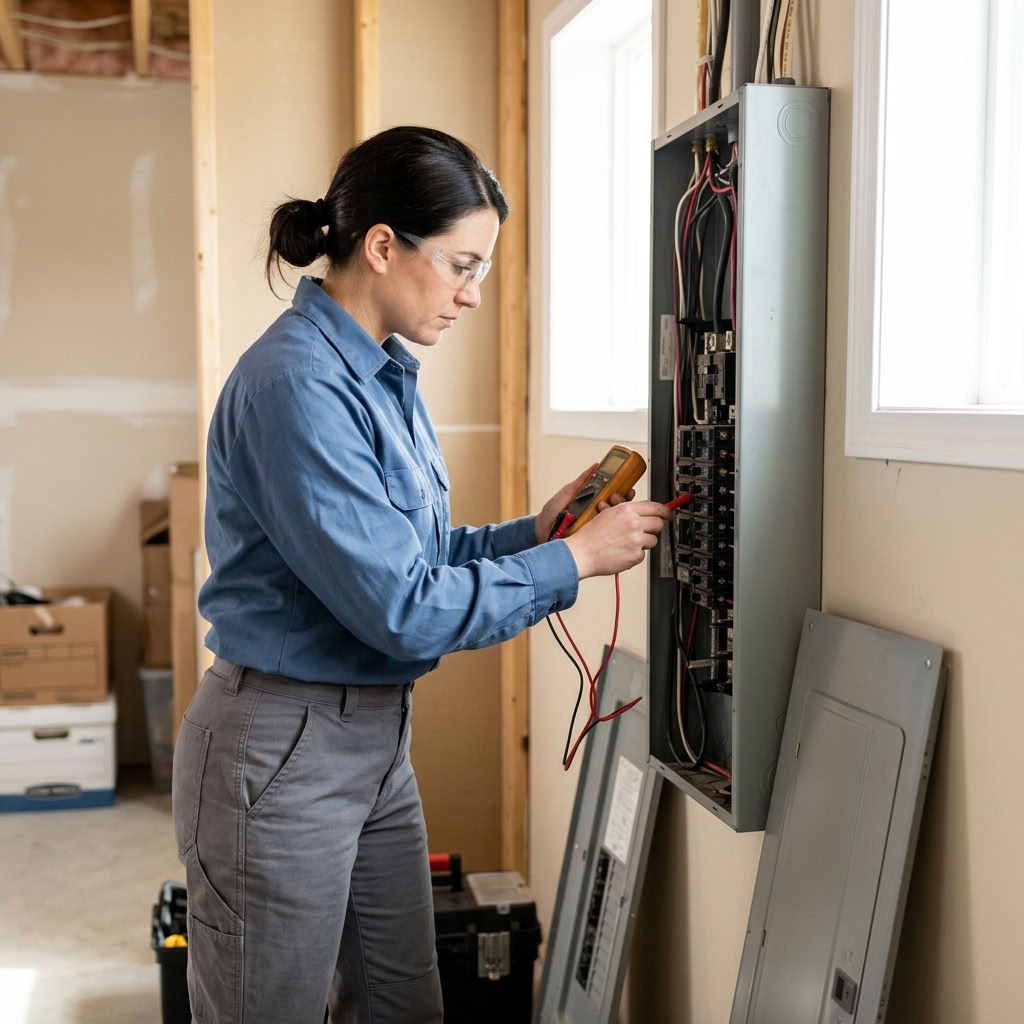
The electrical panel is the central hub of your home’s power supply, and it is one of the first things a licensed electrician checks. During an inspection, the panel is assessed for signs of age, damage, and improper installation. Outdated panels, such as older Federal Pacific or Zinsco models, are known to be fire risks and are flagged for replacement when identified.
The inspector checks for breakers that trip frequently, which can signal an overloaded circuit or a failing breaker that needs to be replaced. Heat damage inside the panel, including scorch marks, melted plastic, or a burning smell, is treated as an urgent finding. Proper labeling of each circuit is also reviewed, since unlabeled or incorrectly labeled breakers make it difficult to isolate power during an emergency.
If the inspection reveals that the panel is undersized for the property’s current electrical load, a panel upgrade may be recommended. This is common in older Calgary homes where electrical demand has grown significantly since the original installation.
Outlets, Switches, and Wiring
Every outlet and switch in the home is checked for visible damage, discoloration, and loose connections. Discoloration around an outlet face is often a sign of heat buildup, which can mean the wiring behind it is deteriorating or the circuit is being overloaded. Loose connections are a common cause of arcing, which generates sparks inside your walls.
Ungrounded outlets are a significant concern in older Calgary homes. Without proper grounding, appliances and electronics connected to these outlets are more vulnerable to power surges, and the risk of electrical shock increases. Where aluminum wiring is present, which is common in homes built between the late 1960s and mid-1970s, the inspector checks for specific connection issues that are known to occur as aluminum wiring ages.
GFCI (Ground Fault Circuit Interrupter) and AFCI (Arc Fault Circuit Interrupter) protection is reviewed in all areas where Alberta code requires it. GFCI outlets are required in kitchens, bathrooms, garages, and any outdoor outlet. AFCI protection is required in bedrooms and other living areas in newer construction. If these protections are missing, they are flagged as a code deficiency that should be corrected.
Lighting Fixtures and Ceiling Fans
Lighting fixtures are inspected for correct bulb wattage ratings. Using a bulb that exceeds the fixture’s maximum rating generates excessive heat at the socket and can damage insulation on nearby wiring over time. The electrician checks for flickering lights, which can indicate loose wiring connections or problems with the circuit feeding the fixture.
Ceiling fans and heavy fixtures are checked for secure mounting. A ceiling fan that is not properly anchored to a rated electrical box is a safety hazard, particularly in older homes where standard octagon boxes were used instead of fan-rated ones.
After inspection, LED upgrades are commonly recommended where outdated incandescent or halogen bulbs are still in use. LEDs run cooler, last longer, and put less strain on your electrical system overall.
Smoke Detectors and Carbon Monoxide Alarms
Smoke detector and carbon monoxide alarm placement is reviewed against Alberta code requirements. Detectors must be present on every level of the home, inside each sleeping area, and outside all sleeping areas on each level. Carbon monoxide alarms are required near all sleeping areas in any home with a fuel-burning appliance or attached garage.
The inspector checks battery condition in battery-powered units and confirms that hardwired detectors have working backup batteries. Interconnection is also verified, meaning when one alarm sounds, all alarms in the home sound simultaneously. This is a code requirement in Alberta and is critical in larger homes where a detector on one floor may not be heard from another.
Commercial Electrical Safety Inspection Checklist
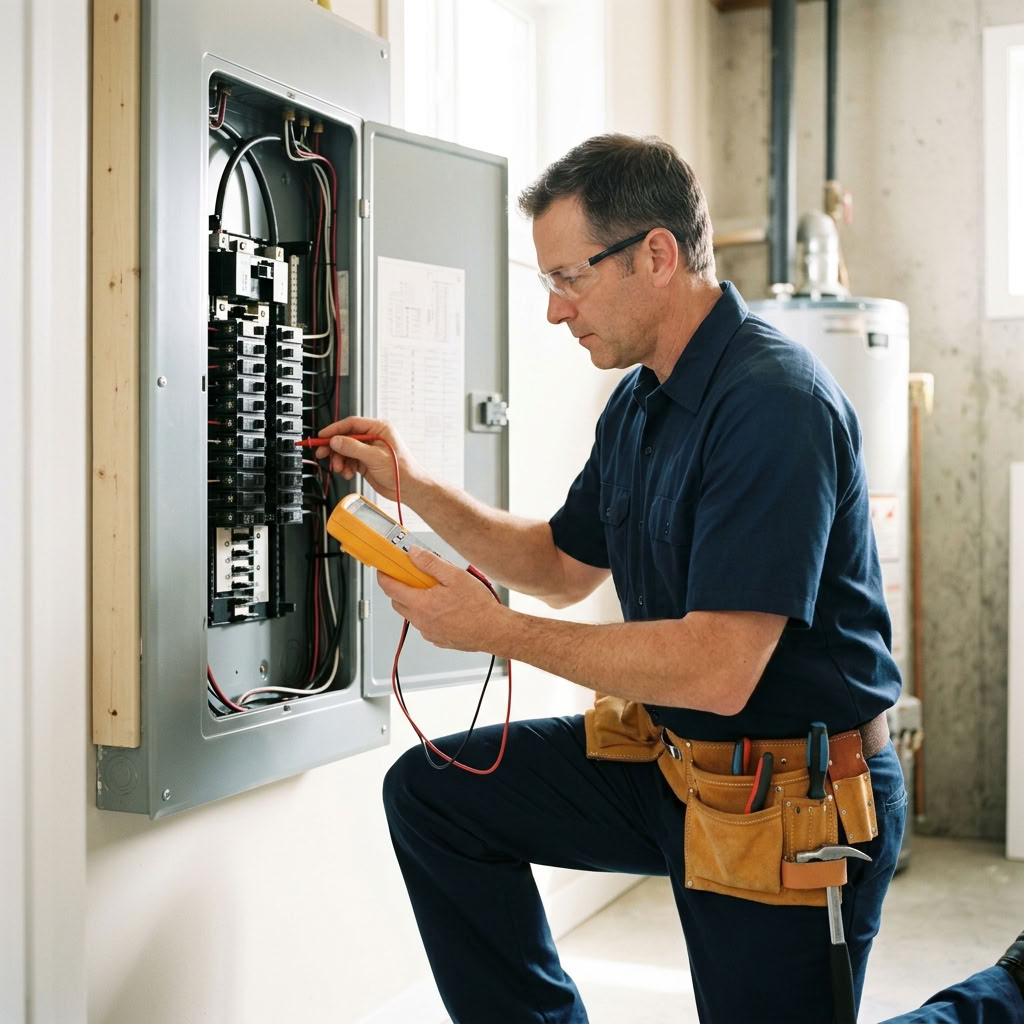
Commercial properties carry higher electrical loads, more complex systems, and stricter regulatory requirements than residential properties. A commercial electrical inspection in Calgary covers the following areas.
Service Entrance and Main Disconnect
The service entrance is where power from the utility grid enters your building, and it is one of the most critical points in the entire system. The inspector checks the condition of service entrance cables for any signs of damage, corrosion, or wear. Weatherproofing around the point of entry is reviewed to confirm that moisture cannot reach the connections inside.
Accessibility and condition of the main disconnect are also checked. In an emergency, your team or the fire department needs to be able to shut off all power to the building quickly and safely. A main disconnect that is blocked, mislabeled, or in poor condition is flagged immediately.
Distribution Panels and Sub-Panels
Commercial buildings typically have multiple panels distributing power across different areas or floors. Each panel is checked for overloaded circuits, which occur when too many devices or pieces of equipment draw power from a single circuit. Overloading generates heat and is one of the most common causes of electrical fires in commercial buildings.
Breaker sizing is reviewed to confirm it matches the circuit and wiring it protects. An oversized breaker will not trip when it should, allowing a dangerous amount of current to flow through wiring that was not designed to handle it. Clear labeling of all panels and circuit breakers is also checked, both for safety during an emergency and for compliance with commercial building codes in Calgary.
Emergency Lighting and Exit Signs
Emergency lighting and exit signs are life-safety systems that must function correctly when the building loses power. The inspector tests each unit to confirm it activates during a power failure and that battery backup provides adequate illumination for the required duration under Alberta commercial building codes.
Exit sign placement is reviewed to ensure every exit route is clearly marked and visible. Non-functional or improperly positioned signs can delay evacuation and create liability for property owners and managers.
Motor and Equipment Connections
Commercial facilities often rely on motors, HVAC systems, and other high-demand equipment. These connections are inspected for proper grounding, correct wiring size, and secure terminations. A loose connection on a motor or HVAC unit can cause intermittent equipment failures, higher energy consumption, and in some cases, overheating that leads to fire.
The inspector also confirms that motor installations meet applicable Alberta code requirements for disconnect placement and protection. Having these connections documented and verified is particularly important during equipment warranty claims or regulatory audits.
How Often Should You Schedule an Electrical Safety Inspection in Calgary?
The right inspection frequency depends on your property type and its history.
- Residential homes should be inspected every 10 years at minimum, or whenever you purchase a previously owned property.
- Older homes built before 1980 benefit from inspections every 5 years, given the greater likelihood of outdated wiring, aluminum wiring concerns, or undersized panels.
- Rental properties in Calgary should be inspected before each new tenancy and every 3 to 5 years as a best practice, both to protect tenants and to meet landlord obligations under Alberta regulations.
- Commercial properties should be inspected every 3 to 5 years, with more frequent reviews for high-demand facilities or buildings with aging infrastructure.
- Post-renovation inspections are advisable any time significant electrical work has been completed, especially if multiple trades were involved.
- Post-storm inspections are recommended after severe weather events, particularly when there has been lightning activity, flooding, or structural damage that could have affected wiring or the service entrance.
Electrical Maintenance Services is available 24 hours a day, 7 days a week, so if you have an urgent inspection need at any hour, the team is ready to respond.
What Happens After a Safety Inspection?
Once the inspection is complete, you receive a written report of all findings. This document outlines what was checked, what was found to be in good condition, and what items need attention. The report is clear and written in plain language so you understand exactly what is happening with your property’s electrical system.
For any recommended repairs or upgrades, Electrical Maintenance Services provides transparent pricing upfront. There are no hidden fees and no surprise charges after the work is done. The team explains each recommendation, why it matters, and what the options are, so you can make an informed decision without feeling rushed or pressured.
From there, any repairs or upgrades can be scheduled at your convenience. If the inspection identifies an urgent safety concern, the team can prioritize that work immediately. For items that are advisory rather than urgent, you can plan and budget accordingly.
How to Book an Electrical Safety Inspection in Calgary
Booking an inspection with Electrical Maintenance Services is straightforward. You can reach out by phone or through the website, and the team will work with your schedule to find an available time. The booking process is simple and does not require you to fill out extensive paperwork or wait weeks for an appointment.
Every inspector on the team is licensed and insured, so you can be confident the work meets Alberta electrical code requirements and that your property is in qualified hands. With over 15 years of experience serving Calgary and more than 150 satisfied customers across residential and commercial properties, Electrical Maintenance Services brings the kind of local knowledge and reliability that matters when it comes to something as important as electrical safety.
Whether you need a scheduled inspection for an upcoming property sale, a routine review for your business, or an urgent electrical safety check after a storm or renovation, the team is available around the clock. Reach out today to book your electrical safety inspection in Calgary and get the peace of mind that comes with knowing exactly where your property stands.
Frequently Asked Questions
What does an electrical safety inspection check for in a Calgary home?
A residential electrical safety inspection covers your electrical panel, circuit breakers, outlets, switches, wiring, lighting fixtures, ceiling fans, smoke detectors, and carbon monoxide alarms. The inspector checks for code compliance, fire hazards, outdated components, and missing safety protections like GFCI and AFCI devices.
How long does a residential electrical safety inspection take?
Most residential inspections in Calgary take between 1.5 and 3 hours, depending on the size of the home and how accessible the electrical components are. Larger homes or properties with more complex systems may take longer.
Is an electrical inspection required when buying a home in Calgary?
An electrical inspection is not always legally required during a home purchase, but it is strongly recommended. Many lenders and insurers in Alberta ask for one before finalizing coverage or financing on older properties. Identifying electrical issues before you close on a property can save you significant costs after the fact.
How much does an electrical safety inspection cost in Calgary?
The cost varies depending on the size of the property and the scope of the inspection. Residential inspections generally range from $150 to $300, while commercial inspections are priced based on the complexity of the system. Electrical Maintenance Services provides transparent pricing so you know what to expect before the work begins.
Can I use an inspection checklist to do my own electrical safety check?
You can use a checklist to do a visual review of accessible components like outlet covers, visible wiring, and smoke detector placement. However, a proper electrical safety inspection requires a licensed electrician to access the panel, check wiring inside walls and junction boxes, test circuits, and assess code compliance. DIY checks are not a substitute for a professional inspection.
How do I know if my Calgary business needs a commercial electrical inspection?
Your business likely needs an inspection if it has been more than 5 years since the last one, if you have recently expanded or renovated, if employees have noticed flickering lights or tripping breakers, or if you are onboarding new high-demand equipment. Businesses that have never had a formal inspection should schedule one as soon as possible.
What is the difference between an electrical inspection and an electrical maintenance visit?
An electrical maintenance visit typically responds to a known problem, such as a broken outlet, a tripping breaker, or a failed fixture. An electrical inspection is a full review of the entire system, proactively looking for problems that are not yet visible or causing obvious issues. Inspections are broader in scope and produce a written report; maintenance visits address specific, identified problems.