
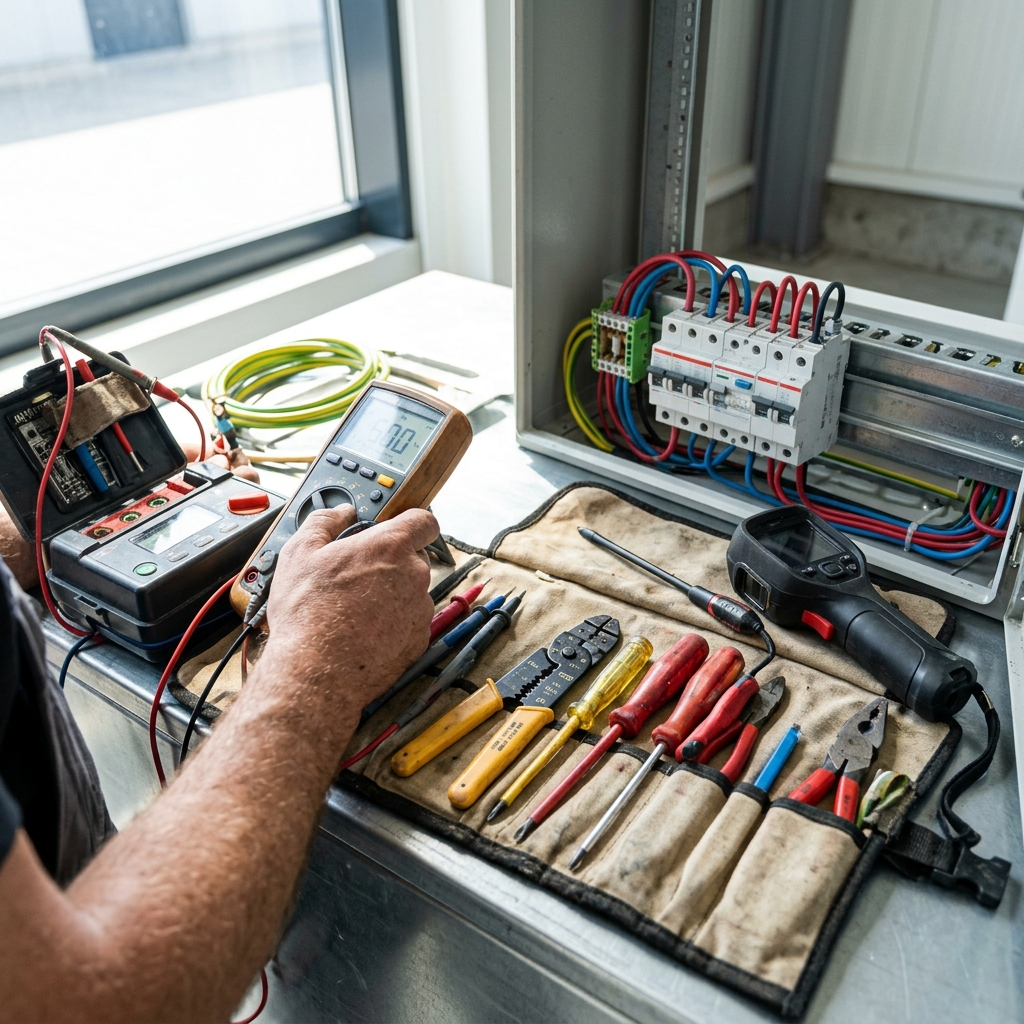
Electrical inspections are a key part of maintaining a safe property. Whether you own a home or manage a commercial building, understanding what happens during an inspection and how long it takes helps you plan accordingly. Most homeowners in Calgary can expect their inspection to take between 2 and 4 hours, while commercial properties may require more time depending on their complexity. Let’s walk through everything you need to know about electrical inspections, including timing, what gets checked, and why regular inspections matter for your property’s safety.
What Is an Electrical Inspection?
An electrical inspection is a thorough examination of your property’s electrical system conducted by licensed professionals to ensure safety, compliance with codes, and proper functionality. During the inspection, technicians look for potential hazards like outdated wiring, overloaded circuits, and code violations before they turn into serious problems. These inspections give property owners confidence that their electrical systems operate safely and meet current standards. Our licensed team uses specialized equipment to test every component and provide you with a complete picture of your system’s condition.
How Long Does a Typical Electrical Inspection Take?
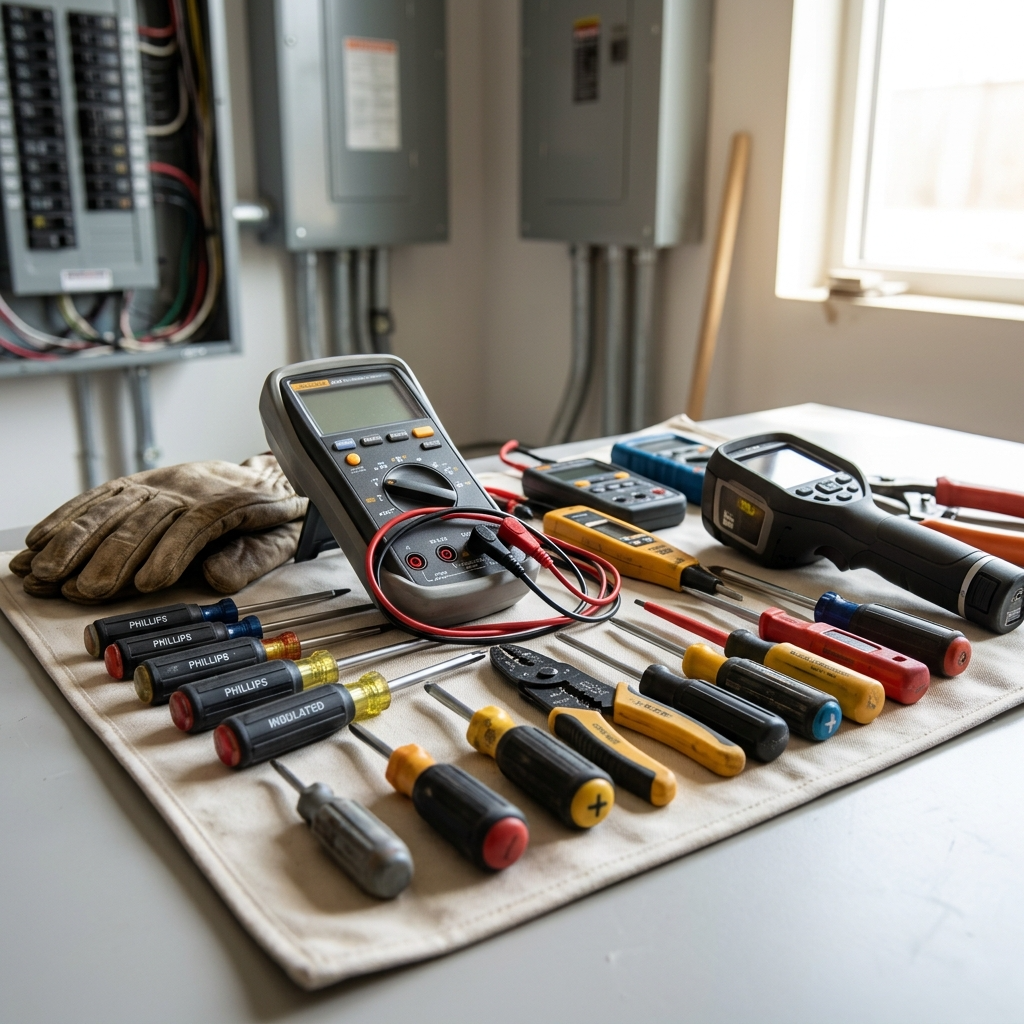
For residential properties, most electrical inspections take between 2 and 4 hours depending on the home’s size and age. A smaller apartment or condo typically falls on the shorter end of this range, while larger homes with multiple floors and extensive electrical systems need more time. Older homes with outdated systems may require additional time because technicians need to examine aging components more carefully and check for modifications made over the years.
Commercial inspections typically range from 4 to 8 hours or longer based on building complexity, square footage, and the number of electrical systems present. Warehouses, office buildings, and retail spaces often have multiple panels, specialized equipment, and extensive wiring that all need careful examination. Our experienced technicians work efficiently while maintaining thorough inspection standards to minimize disruption to your business operations.
Factors That Affect Inspection Duration
Property size and number of rooms significantly impact inspection time. A three-bedroom home takes less time than a five-bedroom house with a finished basement and detached garage. The age of electrical systems also plays a role because older installations require more detailed examination to identify potential safety concerns.
Accessibility of electrical panels and wiring affects how quickly technicians can complete their work. Panels located in cluttered spaces or wiring hidden behind finished walls take longer to access and inspect properly. Previous modifications or additions to the electrical system add complexity because inspectors need to verify that all changes meet current code requirements. When violations or safety concerns are discovered during the process, technicians spend additional time documenting issues and determining the scope of necessary repairs.
What Does an Electrical Inspection Include?
A comprehensive electrical inspection covers all major components of your electrical system. Our licensed technicians examine service panels and breakers to check for proper ratings, secure connections, and signs of overheating or corrosion. They inspect circuit wiring throughout the property to identify any damaged insulation, improper connections, or overloaded circuits that could pose fire risks.
Outlets and switches in every room get tested for proper grounding, correct polarity, and secure mounting. Grounding and bonding systems receive careful attention because these safety features protect you from electrical shock. GFCI and AFCI protection devices are tested to ensure they trip properly when needed. Lighting fixtures get checked for secure installation and proper wiring connections. Connections to major appliances like water heaters, HVAC systems, and kitchen equipment are examined to verify they can safely handle the electrical load.
Exterior Electrical Components
Inspections also include exterior elements such as the main service entrance where power enters your property. Technicians examine the weatherhead and service cables for damage from weather or aging. The meter base and connections get inspected to ensure secure attachment and proper sealing against moisture. Exterior outlets and lighting are tested for proper GFCI protection and weather-resistant covers. Any outdoor electrical equipment or installations like pool pumps, hot tub connections, or landscape lighting receive attention to confirm safe operation in outdoor conditions.
When Should You Schedule an Electrical Inspection?
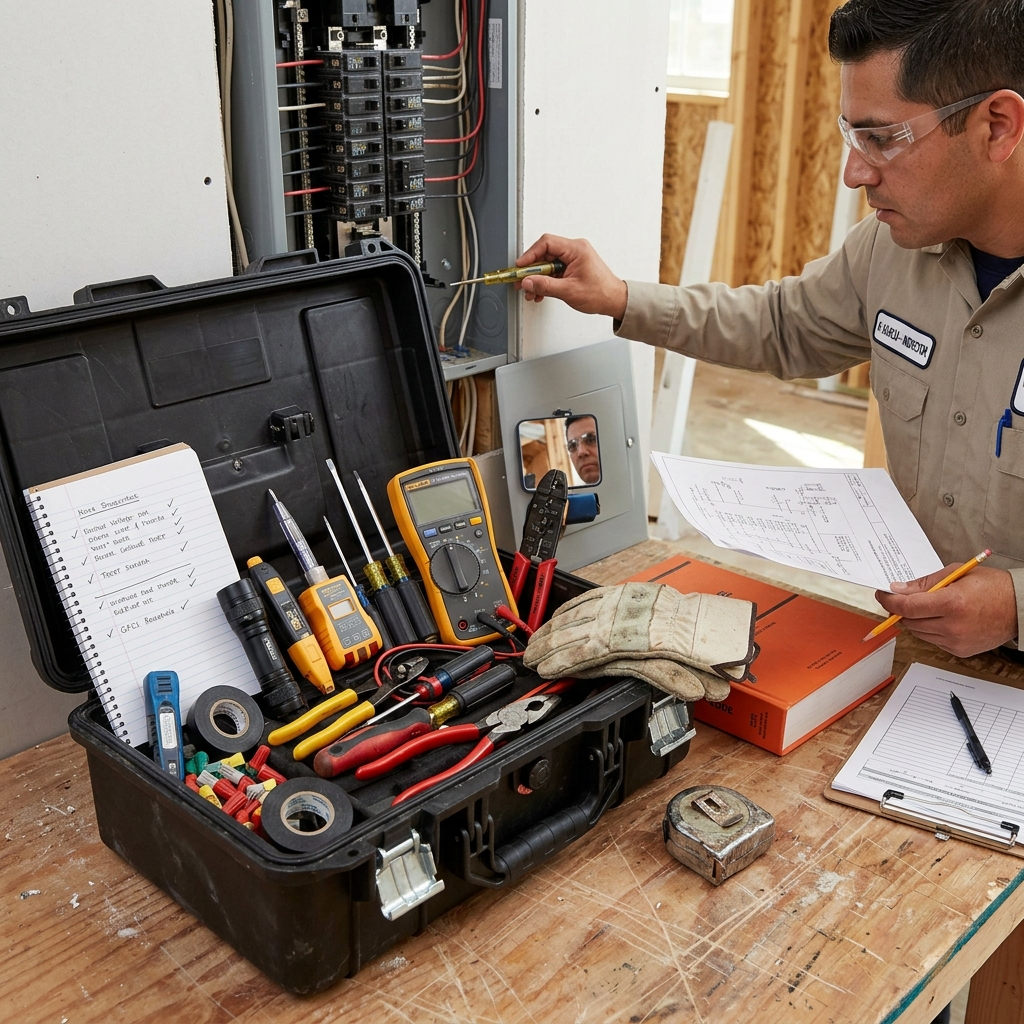
Regular inspections are recommended every 3 to 5 years for residential properties and annually for commercial buildings. These routine checks catch small issues before they become expensive emergencies. Inspections are essential before purchasing a home because they reveal the true condition of electrical systems and help you avoid buying a property with hidden problems.
After major renovations, an inspection confirms that all new electrical work meets code requirements and integrates safely with existing systems. When installing new high-voltage equipment like EV chargers, an inspection verifies your electrical panel and wiring can handle the increased load. If you experience frequent circuit breaker trips, this signals your system is struggling with demand and needs professional assessment. Notice burning smells or flickering lights? These warning signs require immediate inspection because they often indicate dangerous conditions developing in your electrical system.
The Electrical Inspection Process Step by Step
The inspection begins with a visual assessment of accessible electrical components. Our technicians look at your electrical panel, visible wiring, outlets, switches, and fixtures to identify obvious issues or safety concerns. This initial walkthrough helps them understand your system’s layout and age.
Technicians then test outlets, switches, and GFCI devices using specialized equipment. These tools verify proper grounding, correct voltage, and that safety devices trip when they should. They examine the electrical panel for proper labeling, amperage ratings, and signs of overheating. Clear labeling helps during emergencies, while proper ratings ensure your panel can safely handle your electrical load.
Voltage and current readings are taken to ensure proper load distribution across circuits. Unbalanced loads can cause premature equipment failure and create safety hazards. Finally, a detailed report is provided with findings, recommendations, and any required repairs. This document gives you a clear understanding of your system’s condition and what steps, if any, you need to take.
What Happens After the Inspection?
Following the inspection, you receive a comprehensive report detailing any safety concerns, code violations, or recommended upgrades. Our team takes time to explain findings in plain language so you understand exactly what each issue means for your property. We provide transparent pricing for any necessary repairs with no hidden fees or surprise charges.
You can schedule follow-up service at your convenience to address recommended repairs or upgrades. Our team works around your schedule to minimize disruption. For emergency issues discovered during inspection like active arcing, exposed live wires, or other immediate dangers, our 24/7 service ensures immediate resolution. We never leave a property with active safety hazards that could put occupants at risk.
Benefits of Regular Electrical Inspections
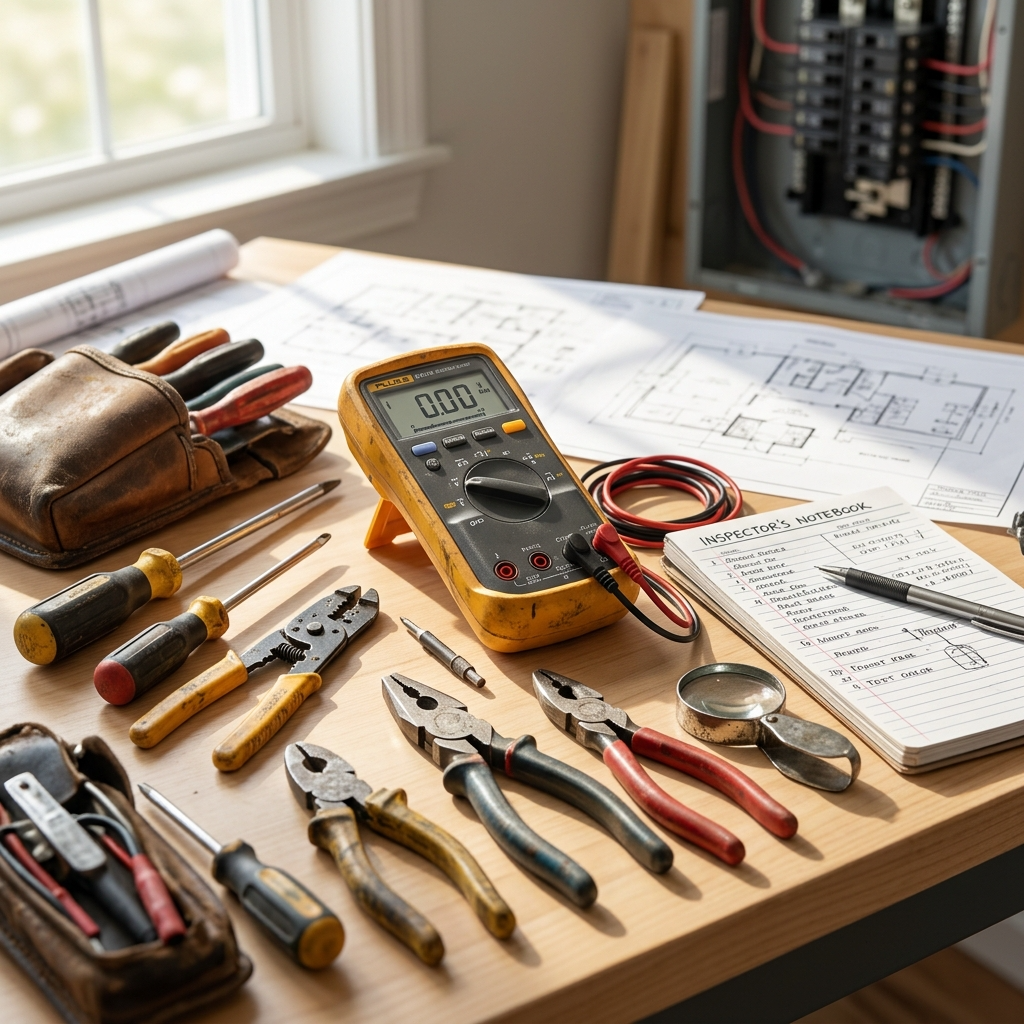
Regular inspections prevent electrical fires and shock hazards by catching problems early. According to the Electrical Safety Foundation International, home electrical fires cause over $1 billion in property damage annually, and many of these fires result from preventable issues that inspections would have identified. Inspections ensure compliance with current electrical codes, which change periodically to reflect new safety standards and technology.
These assessments identify energy efficiency opportunities like outdated fixtures or phantom loads that drive up utility bills. Addressing these issues saves money every month. Regular inspections extend the lifespan of electrical systems by catching minor issues before they damage expensive components. They provide peace of mind for property owners who want confidence their families or employees work in safe environments.
Many insurance companies recognize the value of regular electrical inspections and offer lower premiums for properties with documented, up-to-date assessments. With over 15 years of experience and 150 satisfied customers, our licensed professionals ensure thorough and reliable inspections that give you the documentation and confidence you need.
How Much Does an Electrical Inspection Cost in Calgary?
Inspection costs vary based on property type and size. Residential inspections typically range from $200 to $500, with smaller homes falling at the lower end and larger properties with complex systems at the higher end. Commercial inspections may cost more depending on complexity, square footage, and the number of systems requiring examination.
We offer transparent pricing with no hidden fees and provide detailed quotes before beginning work. You always know what to expect before we start. Investment in regular inspections saves money by preventing costly emergency repairs and potential property damage. A $300 inspection that identifies a failing breaker saves you thousands compared to the fire damage and insurance deductibles that result from ignoring warning signs.
Frequently Asked Questions
How often should I have my home’s electrical system inspected?
Residential properties should have electrical inspections every 3 to 5 years under normal circumstances. Older homes, properties with aluminum wiring, or houses that have experienced electrical issues may benefit from more frequent inspections. Commercial properties should schedule annual inspections due to heavier electrical loads and more complex systems.
Can I stay in my home during the electrical inspection?
Yes, you can stay in your home during the inspection. The process is non-invasive and does not require you to leave. However, power may be temporarily interrupted to certain circuits or the entire property during specific testing procedures. Our technicians notify you before interrupting power so you can save work and prepare accordingly.
Will the inspector need access to all rooms in my property?
Inspectors need access to all rooms to examine outlets, switches, lighting fixtures, and any visible wiring. They also need access to areas where electrical panels, subpanels, and junction boxes are located. This typically includes basements, utility rooms, garages, and attic spaces. Limited access to certain areas gets noted in the inspection report.
What happens if the inspection reveals code violations?
Code violations get documented in your inspection report with clear explanations of the issues and recommendations for bringing your system into compliance. Some violations require immediate attention for safety reasons, while others may be addressed over time. Our team provides transparent pricing for corrective work and helps you prioritize repairs based on safety and budget considerations.
Do I need an inspection before selling my home?
While not always legally required, having an electrical inspection before listing your home is smart. It identifies issues you can address proactively rather than having them surface during a buyer’s inspection. This approach gives you control over repair costs and prevents last-minute negotiations that could derail your sale.
Are electrical inspections required by insurance companies?
Some insurance companies require electrical inspections for older homes or properties with known electrical issues before issuing or renewing policies. Even when not required, providing recent inspection documentation may qualify you for lower premiums. Check with your insurance provider about their specific requirements and potential discounts.
How quickly can you schedule an electrical inspection?
We work to accommodate your timeline and can often schedule inspections within a few days of your request. For urgent situations where you suspect active electrical problems, our 24/7 emergency service means we can respond immediately to assess your property and address any dangerous conditions.
Electrical inspections protect your property, your family, and your investment. With transparent pricing, licensed technicians, and over 15 years of experience serving Calgary, Electrical Maintenance Services provides thorough inspections you can trust. Contact us today to schedule your electrical inspection and gain confidence in your property’s electrical safety.