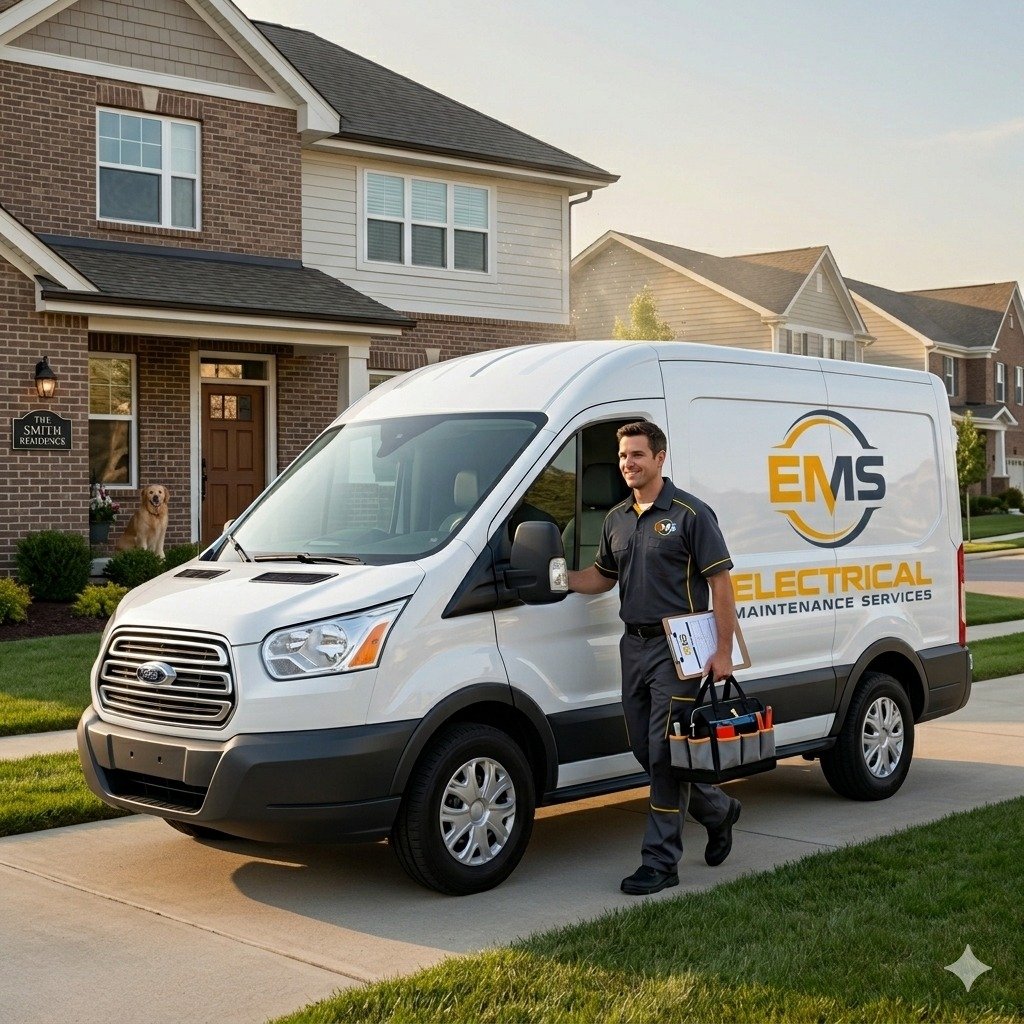
Integration of Smart Technology in Residential Electrical Systems
Imagine coming home after a long day, and with just a tap on your smartphone, the lights dim, the thermostat adjusts to your favorite temperature, and your favorite playlist starts playing. Sounds like a scene from a sci-fi movie? Well, it’s actually the reality of integrating smart technology into residential electrical systems.
Recent studies show that homes equipped with smart technology can reduce energy consumption by up to 15%. That’s not just a number; it’s real cash savings on your utility bills. Smart systems are not just about convenience; they’re also about efficiency.
Smart Lighting: The Bright Idea
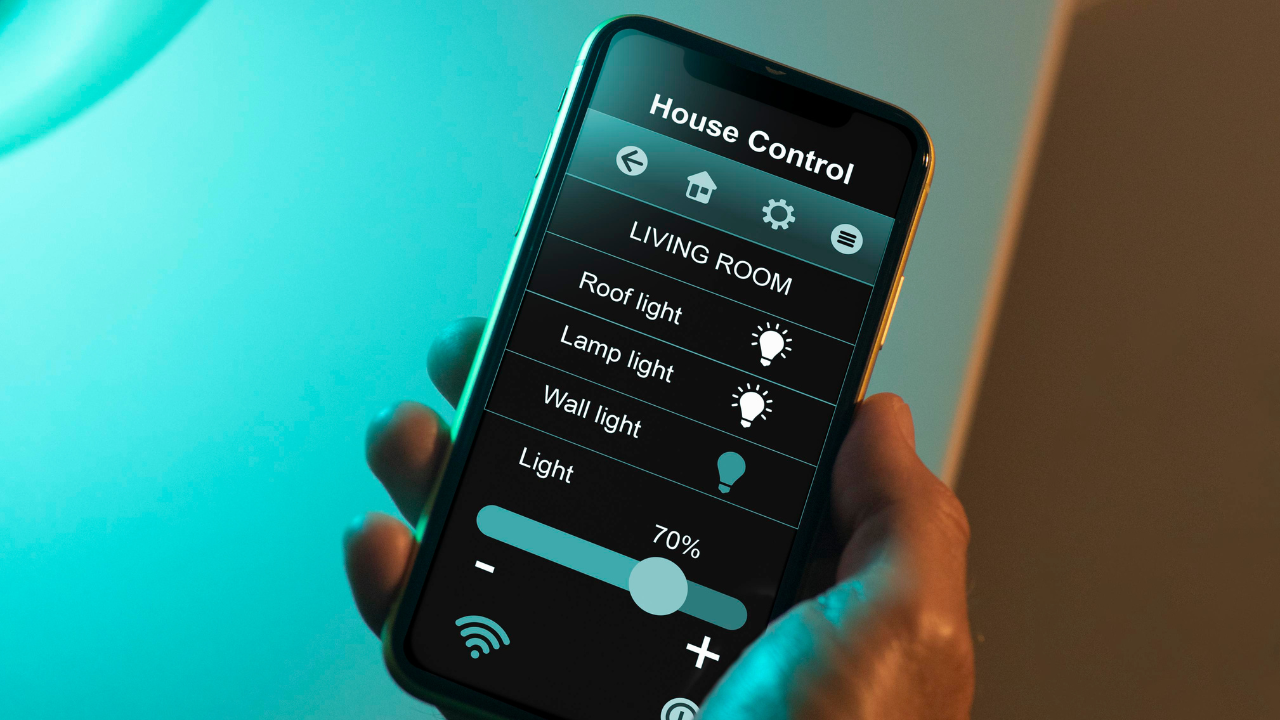
Let’s talk about lighting. Traditional bulbs are so last decade. With smart lighting solutions, you can control every light in your home remotely. Think of it as giving your home its own personality. You can set schedules, adjust brightness, or even change colors to match your mood—romantic dinner? Set the lights to a warm glow. Movie night? Dim them down to create that perfect cinematic vibe.
Smart Thermostats: Your Home’s Brain
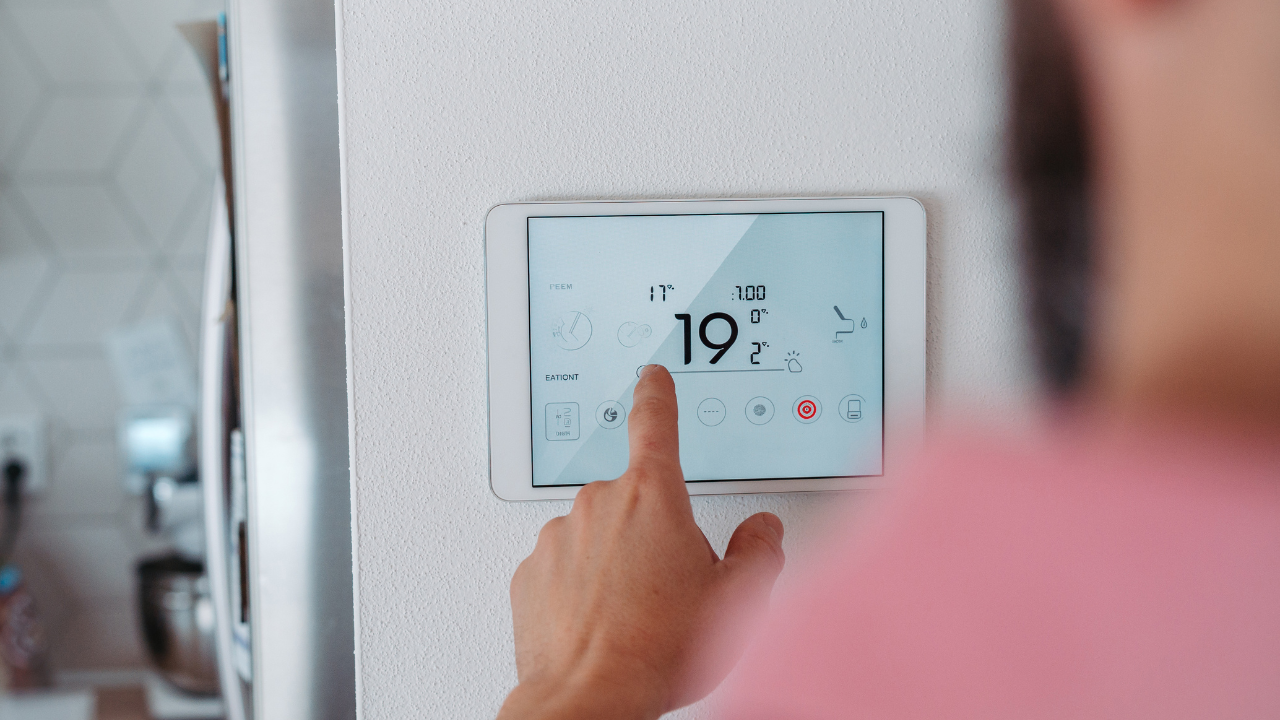
Now let’s not forget about temperature control. Smart thermostats learn from your habits and adjust accordingly—no more coming back to an icebox or sauna after work! They can even be controlled via voice assistants like Alexa or Google Assistant. Imagine saying, Hey Google, make my living room cozy, and voilà—your wish is their command.
Pro Tip: Investing in smart thermostats can save you up to 0 annually on heating and cooling costs!
Security Systems: Peace of Mind at Your Fingertips
But what about security? you might ask. Great point! Modern residential electrical systems now allow for integrated security solutions that connect cameras, alarms, and motion sensors all into one app. This means you can monitor your home from anywhere in the world—whether you’re at work or lounging on a beach in Hawaii.
Key Takeaway: A well-integrated smart home system not only enhances comfort but also increases security and energy efficiency—all while making life feel just a little bit more futuristic.**
So what do I need to get started? you might wonder next. Start small with one device—perhaps a smart bulb or thermostat—and gradually expand as you see how much easier life becomes.
Imagine coming home after a long day, and with just a tap on your smartphone, the lights dim, the thermostat adjusts to your favorite temperature, and your favorite playlist starts playing. Sounds like a scene from a sci-fi movie? Well, it’s actually the reality of integrating smart technology into residential electrical systems.
Recent studies show that homes equipped with smart technology can reduce energy consumption by up to 15%. That’s not just a number; it’s real cash savings on your utility bills. Smart systems are not just about convenience; they’re also about efficiency.
Advanced Lighting Solutions for Modern Homes
If you think traditional lighting is the best we can do, think again! A staggering 70% of homeowners are still using outdated lighting systems that drain energy and lack versatility. Enter advanced lighting solutions—where residential electrical meets innovation.
Imagine this: you’re hosting a dinner party, and with a simple voice command or a tap on your smartphone, the lights adjust to a soft hue, creating an inviting atmosphere. Advanced lighting solutions offer customizable settings that not only elevate your home’s aesthetics but also enhance functionality.
Smart LED Systems: The Future is Bright
Smart LED systems are the crown jewels of modern residential electrical setups. These aren’t just any LEDs; they can change colors, dim to your desired level, and even sync with music or movies. Picture this: you’re watching an action flick, and as the hero enters a dark alley, your lights dim to match the tension—now that’s ambiance!
Important Note: Smart LEDs can last up to 25 times longer than traditional bulbs, saving you money in replacements!
Automated Lighting Control: Convenience at Your Fingertips
Automated lighting control systems take convenience to another level. With motion sensors and timers integrated into your residential electrical system, lights can turn on when you enter a room and off when you leave—no more stumbling around in the dark! For instance, if you’ve got kids who tend to forget to turn off their bedroom lights, this feature could save you from becoming the family’s designated light switch operator.
- Motion-activated lights for hallways and staircases.
- $$$ Savings on energy bills due to reduced usage.
- (Bonus!) Mood settings that can be programmed for different times of day.
Lighting Scenes: Your Home’s Mood Ring
Lighting scenes allow homeowners to set specific combinations of light settings for different activities. Whether it’s reading time in the living room or party mode in the backyard, these scenes make it easy to create just the right vibe without fiddling with individual switches.
Incorporating advanced lighting solutions into your home doesn’t have to be overwhelming. Start by replacing just one fixture with smart LEDs or adding motion sensors in high-traffic areas. As you discover how much more enjoyable your space can be with these upgrades, you’ll wonder why you waited so long!
If you think traditional lighting is the best we can do, think again! A staggering 70% of homeowners are still using outdated lighting systems that drain energy and lack versatility. Enter advanced lighting solutions—where residential electrical meets innovation.
Imagine this: you’re hosting a dinner party, and with a simple voice command or a tap on your smartphone, the lights adjust to a soft hue, creating an inviting atmosphere. Advanced lighting solutions offer customizable settings that not only elevate your home’s aesthetics but also enhance functionality.
Upgrading Electrical Panels for Smart Home Capabilities
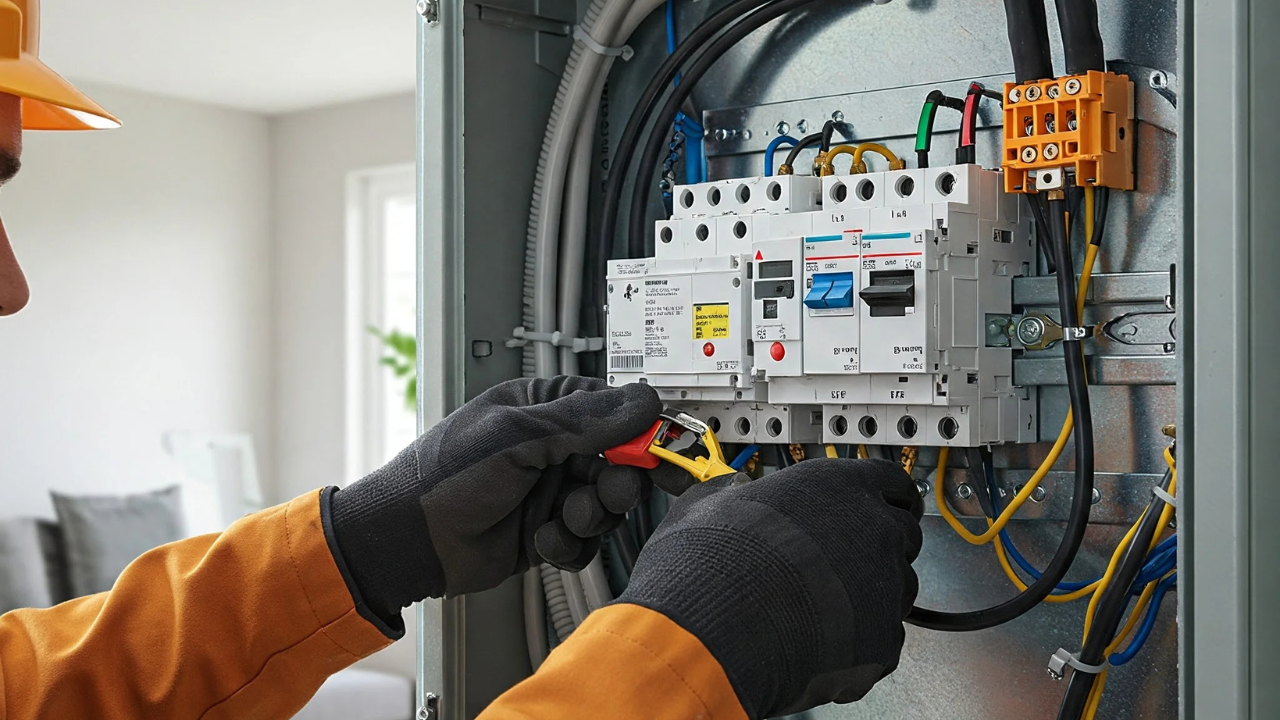
Imagine this: you just installed the latest smart thermostat and a couple of smart bulbs, but when you try to connect everything, your electrical panel gives you the silent treatment. Frustrating, right? That’s because many homes are still relying on outdated electrical panels that simply can’t keep up with modern smart technology demands.
A staggering 60% of homeowners don’t realize that their electrical panels may not support the increased load from smart devices. This can lead to flickering lights, tripped breakers, or worse—overheating wires that could pose serious safety hazards. Upgrading your residential electrical panel isn’t just a good idea; it’s essential for a seamless smart home experience.
Why Upgrade Your Electrical Panel?
Think of your electrical panel as the brain of your home’s electrical system. If it’s outdated or overloaded, it can’t efficiently manage the flow of electricity to all those fancy new gadgets you’re bringing in. An upgraded panel can handle higher loads and provide better circuit management, allowing for a more reliable and safer operation of your smart devices.
- Increased capacity for more devices without overloading circuits.
- Enhanced safety features to prevent electrical fires.
- Better energy efficiency, which can lower utility bills.
Signs It’s Time for an Upgrade
If you’re experiencing issues like frequent breaker trips or overheating outlets, it’s time to take action. Other signs include flickering lights when multiple devices are in use or if your panel is older than 20 years. Don’t wait for an emergency to strike—be proactive about your home’s electrical health!
Pro Tip: An upgraded panel can increase your home’s resale value by making it more appealing to future buyers who want modern conveniences.
The Upgrade Process
(Spoiler alert: it’s easier than you think!) First off, consult with a licensed electrician who specializes in residential electrical upgrades. They’ll assess your current setup and determine the best new panel for your needs. The installation usually takes just a few hours but can dramatically enhance your home’s performance and safety.
Key Takeaway: Upgrading your electrical panel is crucial for fully enjoying the benefits of a smart home while ensuring safety and efficiency. Don’t let outdated systems hold you back!**
After upgrading, you’ll be able to enjoy all those smart features without worrying about whether your home can handle them. So take that leap—your future self (and wallet) will thank you!
Imagine this: you just installed the latest smart thermostat and a couple of smart bulbs, but when you try to connect everything, your electrical panel gives you the silent treatment. Frustrating, right? That’s because many homes are still relying on outdated electrical panels that simply can’t keep up with modern smart technology demands.
A staggering 60% of homeowners don’t realize that their electrical panels may not support the increased load from smart devices. This can lead to flickering lights, tripped breakers, or worse—overheating wires that could pose serious safety hazards. Upgrading your residential electrical panel isn’t just a good idea; it’s essential for a seamless smart home experience.
Wiring Considerations for Integrated Smart Home Systems
Let’s cut to the chase: if your wiring is older than your favorite retro video game, it’s time for a serious upgrade. A staggering 50% of homes built before the year 2000 lack the necessary wiring to support modern smart home technologies. This isn’t just a minor inconvenience; it can lead to connectivity issues, device failures, and even safety hazards.
Understanding Wiring Requirements
When integrating smart devices into your residential electrical system, understanding wiring requirements is paramount. Most smart home devices require a stable connection and adequate power supply. For instance, if you’re planning to install a smart thermostat, ensure that your existing wiring can handle its power demands without causing flickering lights or tripped breakers.
- Check if your home has sufficient circuit capacity.
- Consider upgrading to higher gauge wires for better conductivity.
- Install dedicated circuits for high-demand devices like smart appliances.
Common Wiring Mistakes to Avoid
Many homeowners make the mistake of assuming that all wiring is created equal. Spoiler alert: it’s not! Using outdated or incompatible wiring can lead to more than just frustration—it can create real safety hazards. For example, using standard Romex cable instead of low-voltage wire for smart lighting systems can result in overheating and potential fire risks.
Important: Always consult with a licensed electrician when making changes to your home’s wiring.
The Role of Smart Hubs and Controllers
Smart hubs are like the conductors of an orchestra, ensuring that all your devices play in harmony. However, they rely heavily on solid wiring infrastructure to function optimally. If you’re experiencing lag or disconnection issues, it might be time to assess your home’s wiring setup.
- (1) Assess device compatibility with existing systems.
- (2) Ensure strong Wi-Fi coverage throughout your home.
- (3) Use Ethernet cabling where possible for critical connections.
Key Takeaway: Proper wiring is essential for maximizing the benefits of integrated smart home systems—don’t skimp on this crucial step!
Future-Proofing Your Home
In summary, pay close attention to the specifics of your home’s wiring when integrating smart technologies—it’s not just about convenience; it’s about safety and efficiency too! So roll up those sleeves and get ready for an electrifying journey into modern living!
Emergency Preparedness in Smart Homes
When the power goes out, your smart home can feel more like a dumb house. A staggering 30% of homeowners with smart devices are caught off guard during outages, leaving them scrambling to figure out how to keep their homes running smoothly. But fear not! Emergency preparedness isn’t just about having a flashlight and some candles; it’s about leveraging your residential electrical setup to ensure you’re ready for anything.
The Importance of Backup Power
Imagine this: a sudden storm knocks out the power, and your Wi-Fi router goes dark. Suddenly, all those fancy smart devices you invested in are just expensive paperweights. That’s where backup power solutions come into play. Installing a generator or battery backup system can keep your essential devices running during an outage, from security cameras to that all-important fridge full of food.
- Consider a whole-home generator for maximum coverage.
- Portable battery systems can power critical devices without breaking the bank.
- Invest in uninterruptible power supplies (UPS) for sensitive electronics.
Smart Alerts: Stay Informed
Your smart home can do more than just turn on lights; it can also keep you in the loop during emergencies. Smart alarms and sensors can send alerts directly to your smartphone if there’s a power outage or if any unusual activity is detected while you’re away. This means you’re not left in the dark—literally or figuratively!
Pro Tip: Set up notifications for temperature fluctuations to prevent frozen pipes during winter outages.
Emergency Plans: Automate Your Response
Failing to plan is planning to fail, as they say. But what does that mean for your smart home? Create automated routines that kick in when there’s an emergency. For example, if your smoke detector goes off, program your smart lights to flash red while unlocking doors for easy access by emergency responders.
- (1) Set up automated routines for fire alarms or carbon monoxide detectors.
- (2) Use smart locks that allow remote access for emergency services.
- (3) Regularly test and update your emergency plans—don’t let them gather dust!
Key Takeaway: Being proactive with emergency preparedness in your smart home not only enhances safety but also ensures peace of mind when unexpected situations arise.
Ultimately, embracing technology means being prepared for whatever life throws at you. So take these steps now—your future self will thank you when the lights go out!
When the power goes out, your smart home can feel more like a dumb house. A staggering 30% of homeowners with smart devices are caught off guard during outages, leaving them scrambling to figure out how to keep their homes running smoothly. But fear not! Emergency preparedness isn’t just about having a flashlight and some candles; it’s about leveraging your residential electrical setup to ensure you’re ready for anything.
Enhancing Energy Management through Smart Solutions
Did you know that nearly 30% of energy consumed in residential homes is wasted due to inefficient systems? That’s like throwing away a third of your paycheck every month! But fear not, because smart solutions are here to rescue your wallet and the planet.
Imagine a family in Calgary who just moved into a charming older home. They’re excited about the character but quickly realize that their energy bills are sky-high. After some investigation, they discover that their heating system is as outdated as dial-up internet. Enter smart solutions, which can transform their energy management from chaotic to efficient.
Smart Energy Monitoring: The Eyes on Your Consumption
With smart energy monitoring systems, homeowners can track real-time energy usage from anywhere. These systems provide insights into which appliances are energy hogs and how much power each room consumes. For instance, our Calgary family could see that their ancient fridge is guzzling power like it’s at an all-you-can-eat buffet. Armed with this information, they can make informed decisions about upgrades or adjustments.
Important Note: Smart monitoring can reduce energy costs by up to 20%!
Automated Energy Management: Set It and Forget It
Why fiddle with switches when you can automate? Smart home systems allow for scheduling and automation of devices based on your daily routines. Imagine the Calgary family setting their thermostat to lower temperatures during the day when no one is home and automatically raising it before they return. This way, they enjoy comfort without paying for heating an empty house.
- Automated lighting that turns off when rooms are unoccupied.
- $$$ Savings from reduced heating and cooling costs.
- (Bonus!) Integration with weather forecasts for optimal adjustments.
Smart Appliances: Efficiency Meets Innovation
Out with the old, in with the new! This mantra rings especially true for appliances. Smart appliances not only offer convenience but also optimize energy use. For example, a smart washing machine can adjust its water usage based on load size and even operate during off-peak hours when electricity rates are lower—saving both money and resources.
As technology advances, so does our ability to manage energy in smarter ways. By embracing these innovations, homeowners not only enhance their living spaces but also contribute positively to the environment. So if you’re still clinging onto those relics of yesteryears—time for an upgrade! Think about what smart solutions could do for your home today.
Did you know that nearly 30% of energy consumed in residential homes is wasted due to inefficient systems? That’s like throwing away a third of your paycheck every month! But fear not, because smart solutions are here to rescue your wallet and the planet.
Imagine a family in Calgary who just moved into a charming older home. They’re excited about the character but quickly realize that their energy bills are sky-high. After some investigation, they discover that their heating system is as outdated as dial-up internet. Enter smart solutions, which can transform their energy management from chaotic to efficient.
Smart Energy Monitoring: The Eyes on Your Consumption
With smart energy monitoring systems, homeowners can track real-time energy usage from anywhere. These systems provide insights into which appliances are energy hogs and how much power each room consumes. For instance, our Calgary family could see that their ancient fridge is guzzling power like it’s at an all-you-can-eat buffet. Armed with this information, they can make informed decisions about upgrades or adjustments.
Important Note: Smart monitoring can reduce energy costs by up to 20%!
Safety Innovations in Residential Electrical Systems
Did you know that electrical fires account for nearly 51,000 home fires each year, causing over .3 billion in property damage? That’s not just a statistic; it’s a wake-up call for homeowners who may be overlooking the safety of their residential electrical systems.
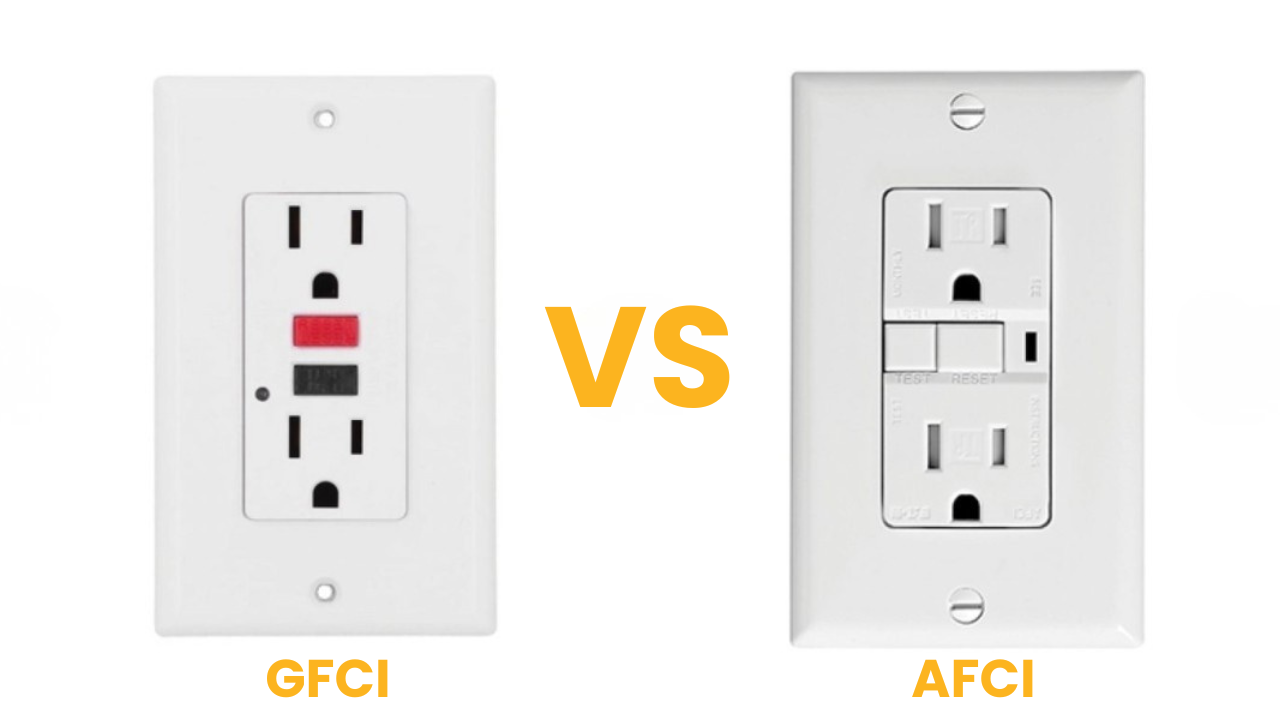
In a world where smart technology is rapidly evolving, the safety innovations in residential electrical systems are keeping pace. Gone are the days when circuit breakers were the only line of defense against electrical mishaps. Today’s systems are outfitted with advanced features designed to protect your home and family.
Ground Fault Circuit Interrupters (GFCIs)
Let’s kick things off with GFCIs—your home’s personal bodyguards against electrical shocks. These nifty devices monitor the current flowing through circuits and can detect imbalances that may indicate a fault. If they sense trouble, they trip instantly, cutting off electricity faster than you can say shock hazard.
Important: GFCIs are required in areas where water and electricity mix, such as kitchens and bathrooms.
Arc-Fault Circuit Interrupters (AFCIs)
Next up are AFCIs—these little wonders protect against arc faults that can ignite fires. They’re particularly useful in older homes where wiring may be frayed or damaged. AFCIs detect unintended arcing conditions and shut down the circuit before disaster strikes. Think of them as your home’s fire alarm system for electrical faults.
- AFCIs are now required by code in most living areas.
- $$$ Savings on insurance premiums by reducing fire risk.
- (Bonus!) They enhance overall safety without sacrificing convenience.

Smart Technology Integration
(Here’s where it gets exciting!) Modern residential electrical systems now integrate smart technology that not only adds convenience but also improves safety. Imagine receiving alerts on your smartphone about potential issues like overloaded circuits or unusual power consumption patterns—talk about peace of mind!
Did you know that electrical fires account for nearly 51,000 home fires each year, causing over $1.3 billion in property damage? That’s not just a statistic; it’s a wake-up call for homeowners who may be overlooking the safety of their residential electrical systems.
In a world where smart technology is rapidly evolving, the safety innovations in residential electrical systems are keeping pace. Gone are the days when circuit breakers were the only line of defense against electrical mishaps. Today’s systems are outfitted with advanced features designed to protect your home and family.
User Experience and Accessibility Features in Smart Homes
Imagine a home where the lights adjust automatically to your preferences, doors unlock as you approach, and appliances respond to your voice commands. Sounds futuristic? Well, it’s not; it’s the user experience that smart homes are designed to provide. Yet, despite this dazzling array of features, many smart home systems still miss the mark when it comes to accessibility.
A staggering 1 in 5 people in Canada live with some form of disability, yet many smart home technologies overlook their needs. This isn’t just a missed opportunity; it’s a glaring oversight that can alienate a significant portion of potential users. The good news? With thoughtful design and implementation, smart homes can be made accessible for everyone.
Designing for Everyone
When creating user experiences in smart homes, accessibility should be top of mind. This means considering physical limitations as well as cognitive challenges. For instance, voice-controlled systems can be a game changer for those with mobility issues. But what happens when the voice recognition doesn’t work well due to accents or background noise? That’s where a multi-faceted approach comes into play.
- Voice activation: Ensure it understands various accents and languages.
- Visual interfaces: Use large fonts and high-contrast colors.
- Haptic feedback: Incorporate vibrations or tactile responses for notifications.
Smart Home Controls: A Unified Approach
One app to rule them all—that should be the mantra for smart home controls. Instead of juggling multiple apps that can confuse even the most tech-savvy users, integrating all functionalities into one platform can enhance user experience significantly. Imagine having all your lighting, security systems, and climate control in one easy-to-navigate app—now we’re talking about seamless living!
Accessibility isn’t just an add-on; it’s essential for creating inclusive environments.
(Spoiler alert: It’s not just about compliance with regulations; it’s about enhancing quality of life!) For example, consider how an elderly homeowner might benefit from a single interface that allows them to control their environment without needing to remember how each individual device operates.
The Future is Inclusive
The future is inclusive might sound like a catchy slogan, but it embodies the essence of modern residential electrical solutions. As technology evolves, so should our approach to user experience and accessibility features. With advancements like AI-driven assistants that learn from interactions and adapt accordingly, we’re moving toward homes that cater not just to the tech-savvy but also to everyone else.
Imagine a home where the lights adjust automatically to your preferences, doors unlock as you approach, and appliances respond to your voice commands. Sounds futuristic? Well, it’s not; it’s the user experience that smart homes are designed to provide. Yet, despite this dazzling array of features, many smart home systems still miss the mark when it comes to accessibility.
A staggering 1 in 5 people in Canada live with some form of disability, yet many smart home technologies overlook their needs. This isn’t just a missed opportunity; it’s a glaring oversight that can alienate a significant portion of potential users. The good news? With thoughtful design and implementation, smart homes can be made accessible for everyone.