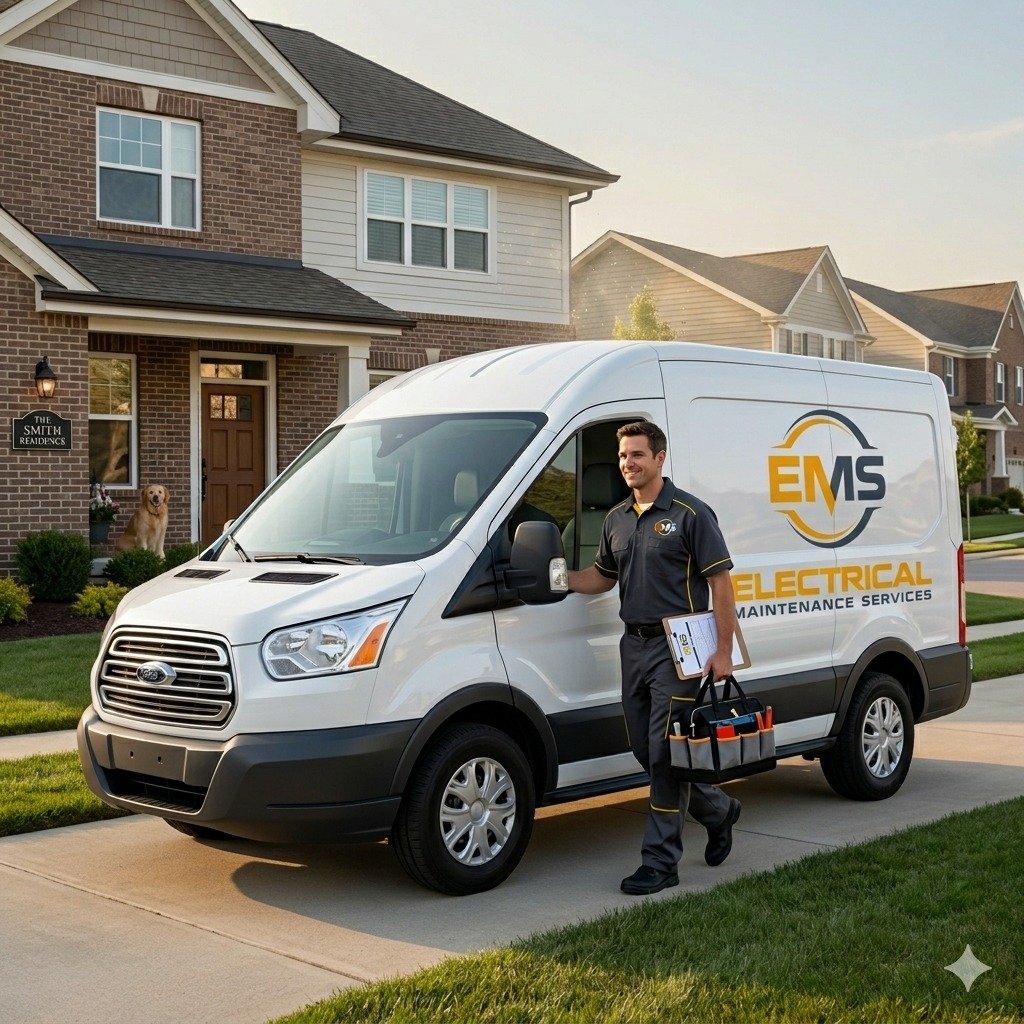
If you are a Calgary homeowner or business owner wondering about generator installation, here is the short answer: you need a licensed electrician, a proper transfer switch, and a permit for any permanent standby unit. The right setup depends on your property size, power needs, and fuel source. This guide walks you through everything from choosing the right generator to understanding costs, timelines, and maintenance.
Why Calgary Homes and Businesses Need Backup Power
Calgary’s winters are not forgiving. Temperatures regularly drop below -20°C, and when a storm hits or the grid goes down, the consequences can be immediate and serious. Heating systems stop working, security systems go offline, and businesses lose productivity by the hour. For households with medical equipment or young children, even a short outage can become a genuine emergency.
According to the Alberta Electric System Operator (AESO), extreme weather events are among the leading causes of residential power disruptions across the province. Calgary, sitting at the edge of the Rockies, is particularly exposed to rapid weather changes, wind events, and ice storms that can knock out power for hours or even days at a time.
For businesses, the stakes are even higher. A restaurant loses perishable inventory. A medical clinic cannot operate safely. A data centre risks corrupted systems. Having a reliable backup power generator in Calgary is not just a comfort measure. It is a practical decision that protects your assets, your people, and your operations.
What Types of Generators Are Available?
The three main options you will come across are standby generators, portable generators, and inverter generators. Each serves a different purpose, and the right choice depends on how much power you need, how often you expect to use it, and how much you want to invest upfront.
Standby generators are permanently installed outside your home or business and connect directly to your electrical panel. They turn on automatically when power goes out and can run on natural gas, propane, or diesel. Portable generators are smaller, movable units that you start manually and connect to specific appliances using extension cords or a transfer switch. Inverter generators are a quieter, more fuel-efficient version of portables, often used for sensitive electronics and smaller power needs.
When it comes to fuel, natural gas is the most popular choice for standby generators in Calgary because it connects directly to your existing gas line and never runs out the way a tank would. Propane is a solid option for rural properties without natural gas access. Diesel units are common in commercial and industrial settings where high output is a priority.
Standby Generators vs. Portable Generators: Which Is Right for You?
Choosing between a standby and portable generator comes down to four key factors: cost, convenience, power output, and how complex the installation is.
Standby generators cost more upfront, typically ranging from $5,000 to $20,000 or more installed, but they offer whole-home or whole-business protection and require no manual effort during an outage. They activate automatically, run on a continuous fuel supply, and are designed for long-term, reliable use. Portable generators cost between $500 and $3,000 but require you to be home to start them, need fuel stored on hand, and can only power a limited number of devices at once.
For a Calgary family that depends on a gas furnace, sump pump, and refrigerator during winter storms, a standby unit is the smarter long-term investment. For a small business owner who needs occasional backup for a few workstations or a contractor who needs power on a job site, a portable or inverter generator may be all that is needed. The honest answer is: if you own your home and want peace of mind during Calgary winters, a standby generator is worth the investment.
How Much Power Do You Actually Need?
Before you buy anything, you need to figure out how many watts your essential systems require. Start by listing the appliances and systems you cannot live without during an outage.
A typical Calgary home furnace uses between 600 and 1,500 watts. A refrigerator draws around 150 to 400 watts. A sump pump needs 750 to 1,500 watts. Lighting, a microwave, and a few outlets can add another 1,000 to 2,000 watts. Add these up and you get a baseline. Most homes can cover the essentials with a 7,500 to 12,000-watt generator. For whole-home coverage including air conditioning and electric appliances, you are looking at 20,000 watts or more.
For commercial properties, the calculation changes based on your equipment load. A small office might need 10 to 15 kilowatts. A restaurant with commercial refrigeration and cooking equipment could need 50 kilowatts or more. A licensed electrician in Calgary can perform a proper load calculation to take the guesswork out of this decision and make sure you are not undersizing your system.
How Does Generator Installation Work?
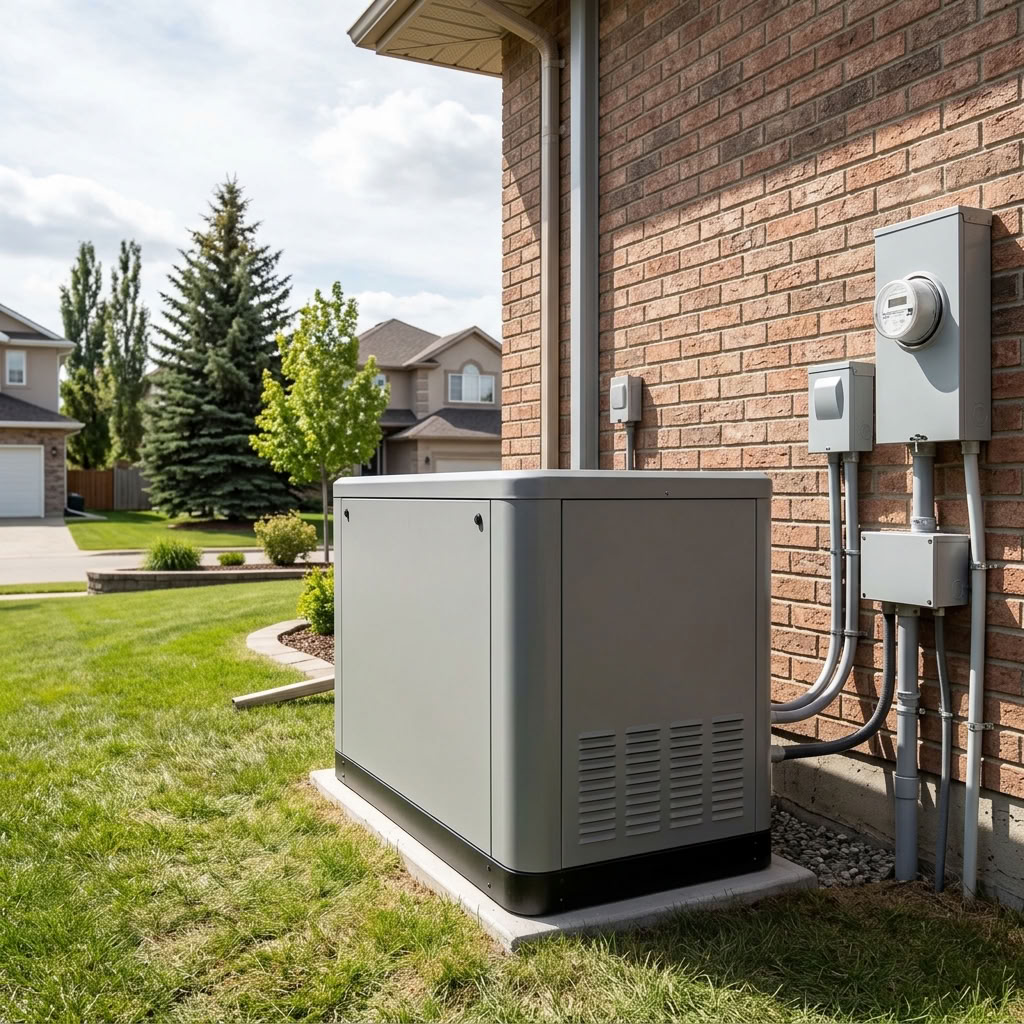
Professional generator installation follows a clear process. It is not something you do in an afternoon, and it is not something you should attempt without a licensed electrician. Here is what to expect from start to finish.
The first step is a site assessment. Your electrician will evaluate your electrical panel, the physical space available for the generator, proximity to fuel lines, and any local zoning considerations. This visit shapes everything that follows.
Next comes the permit process. For permanent standby installations in Calgary, an electrical permit is required. Electrical Maintenance Services handles this on your behalf as part of the service, so you are not left navigating city paperwork on your own.
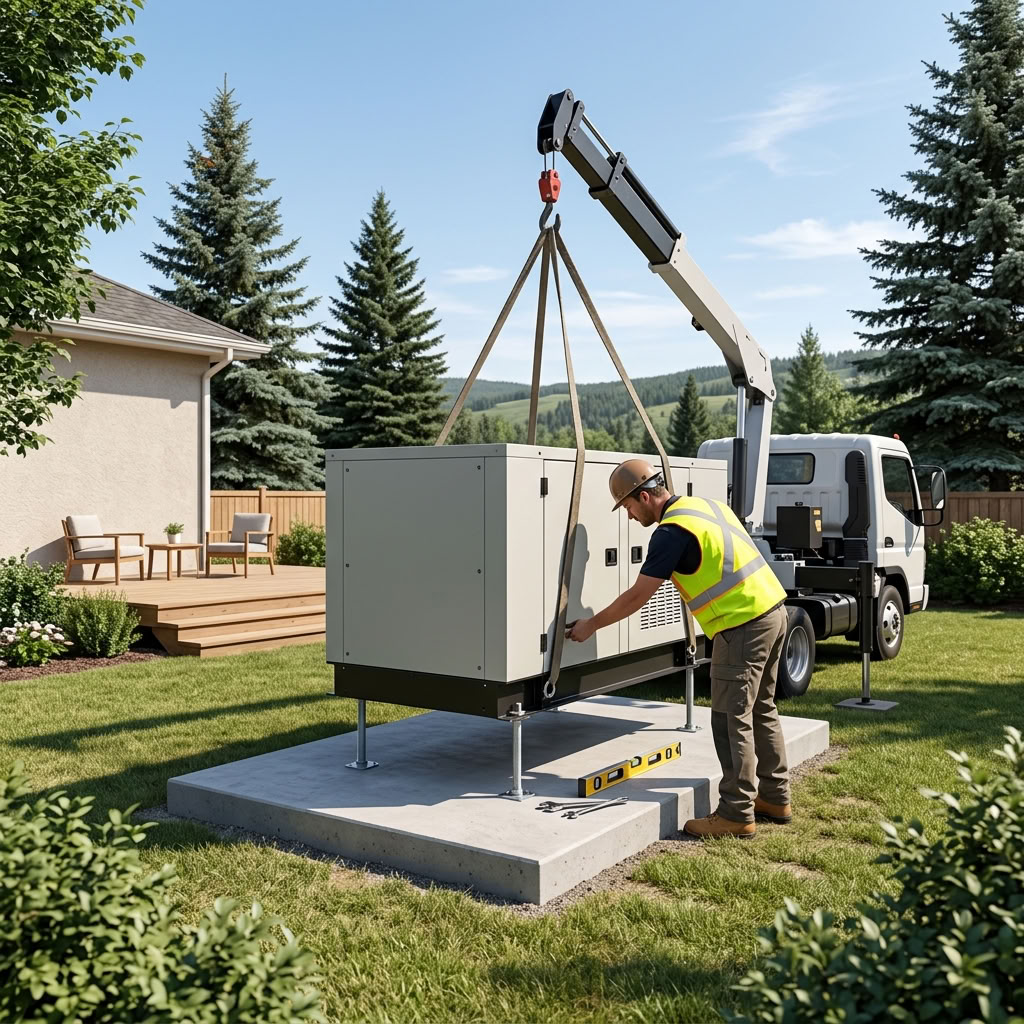
After permits are approved, the installation begins. This includes placing and securing the generator unit, running the necessary gas or propane lines, installing the transfer switch, making the electrical connections to your panel, and setting up any automatic controls. Once everything is in place, the system goes through a final inspection to confirm it meets Alberta Electrical Code requirements.
All work performed by Electrical Maintenance Services is done by licensed and insured professionals, which means your installation is code-compliant and backed by proper documentation for insurance purposes.
What Is a Transfer Switch and Why Is It Required?
A transfer switch is the device that safely connects your generator to your home or business electrical system. Without one, you risk a dangerous condition called backfeed, where electricity flows back into the utility lines. This can seriously injure or kill utility workers who are repairing lines during an outage, and it can also damage your equipment.
There are two types: manual transfer switches and automatic transfer switches (ATS). A manual switch requires you to physically flip it when the power goes out. An automatic transfer switch detects the outage and starts the generator on its own, with no action needed from you. For standby generator installations in Calgary, an automatic transfer switch is the standard recommendation because it works even when you are away from home.
Transfer switch installation is not a DIY job. It involves working inside your electrical panel, and in Alberta, this work must be done by a licensed electrician. Any unlicensed work could void your home insurance, fail inspection, and create serious safety risks.
How Long Does Generator Installation Take?
For most residential standby generator installations, you should plan for one to three days of work on-site. That said, the total timeline from your first call to a completed installation can take anywhere from one to three weeks depending on a few key variables.
Permit processing through the City of Calgary takes time and adds to the overall schedule. If your electrical panel needs an upgrade to support the generator load, that adds another step. Fuel source availability matters too. If you need a new gas line run from the street, that involves coordination with your gas utility, which can extend the timeline.
Portable generator setups are much faster. If you already have a transfer switch installed, connecting a portable generator can be done in a few hours. If a new transfer switch is needed, add half a day to a full day of work.
When you book with Electrical Maintenance Services, you get a clear timeline upfront. There are no surprises, and the team is available 24/7 if any questions come up during the process.
Generator Installation Costs in Calgary
Generator installation costs in Calgary vary widely based on the type of unit, its size, and the complexity of your specific setup. Here is a general breakdown to help you plan your budget.
For a portable generator with a basic manual transfer switch, the total installed cost typically falls between $1,500 and $4,000. A mid-range residential standby generator with an automatic transfer switch generally runs between $8,000 and $15,000 installed. Larger whole-home systems or commercial standby generators can reach $20,000 to $40,000 or more depending on the kilowatt output and site requirements.
To answer the question directly: most Calgary homeowners looking for a reliable standby generator installation should budget between $8,000 and $15,000 all-in, including the unit, transfer switch, permit, and labour. Commercial installations vary more widely and should be quoted based on a site assessment.
Hiring a licensed and insured professional like Electrical Maintenance Services is not just about doing it right. It also protects your insurance coverage. Many home and business insurance policies require compliant, permitted installations, and cutting corners here can lead to denied claims down the line.
Are There Permits Required for Generator Installation in Calgary?
Yes, a permit is required for any permanent standby generator installation in Calgary. This includes the electrical connections and, in many cases, the gas line work as well. The permit process ensures that the installation is inspected and confirmed to meet the Alberta Electrical Code and the City of Calgary’s standards.
Electrical Maintenance Services manages the permitting process as part of every standby generator installation. You do not need to research the requirements or submit paperwork yourself. The team takes care of it from start to finish, and all work is inspected and approved before the job is considered complete.
Portable generator setups that do not involve a permanent connection to your home’s electrical system generally do not require a permit. However, if you are installing a transfer switch, even for a portable unit, a permit is typically required in Calgary.
Choosing the Right Electrician for Generator Installation in Calgary
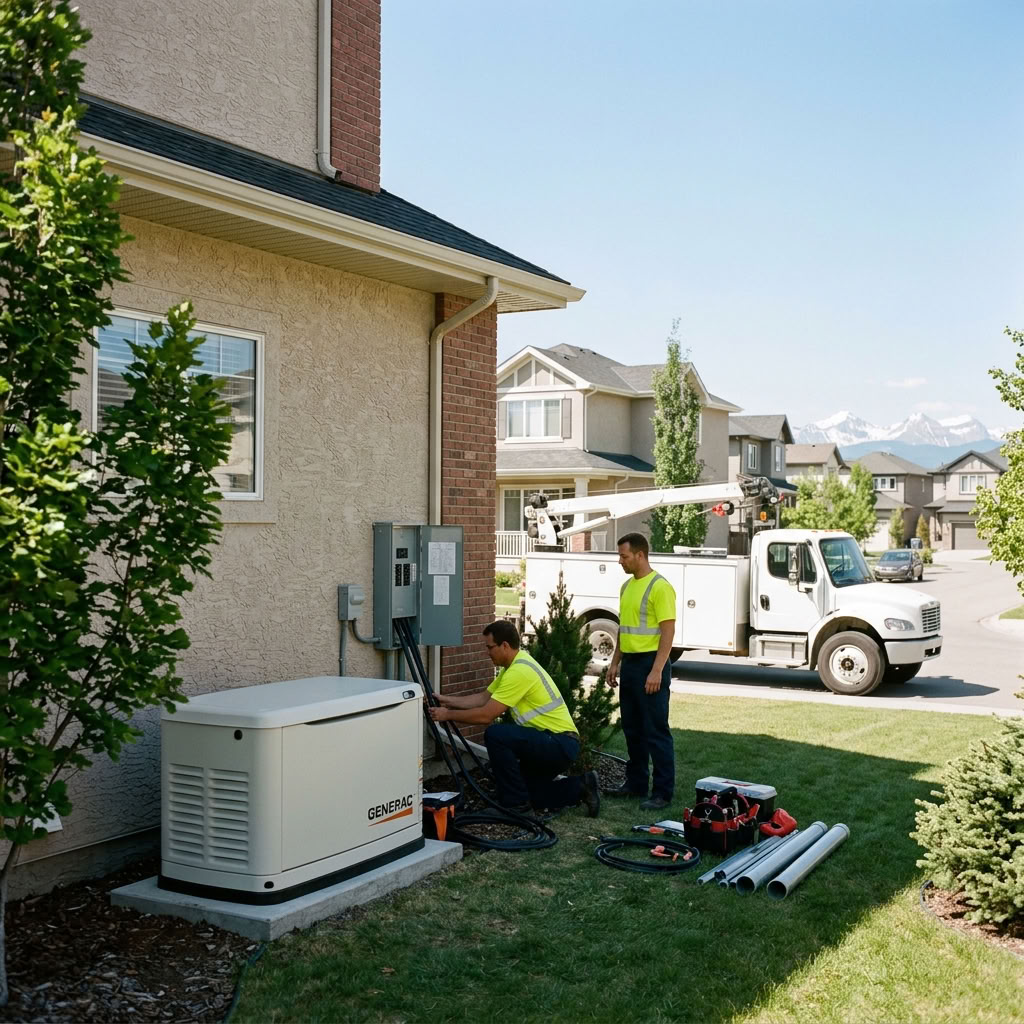
Not every electrician has hands-on experience with generator systems, transfer switches, and the specific permit requirements in Calgary. When you are choosing who to hire, there are a few things that matter above everything else.
First, licensing. In Alberta, all electrical work must be performed by a licensed electrician. This is not optional. Ask for proof of licensing and insurance before any work begins. Second, local knowledge. Calgary has its own permit process, inspection requirements, and utility coordination steps. Working with someone who already knows the system saves time and prevents mistakes.
Electrical Maintenance Services has been serving Calgary homeowners and businesses for over 15 years. The team is licensed, insured, and available 24/7, including for emergency generator installations when you cannot afford to wait. With transparent pricing and a track record of over 150 satisfied customers, the focus is always on doing the job right the first time.
Experience with commercial generator installation in Calgary also matters for business clients. The load calculations, transfer switch specifications, and code requirements for commercial properties are more complex than residential setups, and working with a team that has done it before makes the whole process smoother.
Generator Maintenance: Keeping Your Backup Power Ready
A generator that is never tested or maintained is likely to fail exactly when you need it. This is one of the most common and avoidable problems with backup power systems. Routine maintenance keeps your unit ready to perform and extends its lifespan significantly.
Key maintenance tasks include regular oil and filter changes, battery inspections, fuel system checks, and load testing. Load testing means actually running the generator under a real electrical load to confirm it performs as expected. Many standby generators have a built-in weekly self-test feature, but that does not replace a proper annual inspection by a qualified technician.
If you are using a diesel-powered unit, fuel degradation is a real concern. Diesel can go bad within 6 to 12 months if not treated or rotated, which can clog injectors and cause start failures. Natural gas and propane units do not have this problem, which is one more reason they are popular in Calgary.
Electrical Maintenance Services recommends scheduling annual generator maintenance with a licensed technician. The 24/7 availability means you can book service at a time that works for your schedule, not just during standard business hours.
How Often Should You Service Your Generator?
The right maintenance schedule depends on how often your generator runs and what type of unit you have. Here is a simple way to think about it.
If your generator runs only during outages and your area loses power a few times a year, an annual service is the minimum. If your generator runs on a weekly self-test cycle, plan for a professional inspection every 6 to 12 months. For commercial generators that run frequently or serve critical operations, quarterly inspections are a smart choice.
At each service visit, a technician should check the oil, coolant, air filter, battery condition, spark plugs or injectors, fuel system, and all electrical connections. Keeping a maintenance log is also helpful for warranty purposes and for tracking any patterns that might signal a developing issue. Setting up a recurring maintenance plan with your electrician takes the guesswork out of the schedule entirely.
Frequently Asked Questions
What size generator do I need for my Calgary home?
Most Calgary homes need between 7,500 and 20,000 watts to cover essentials during an outage. A smaller 7,500 to 12,000-watt unit covers a furnace, fridge, lights, and key outlets. A whole-home setup that includes air conditioning, electric appliances, and larger systems typically needs 20,000 watts or more. A licensed electrician in Calgary can perform a load calculation to give you an accurate number for your specific home.
Is a permit required to install a generator in Calgary?
Yes. Any permanent standby generator installation in Calgary requires an electrical permit from the City of Calgary. Gas line work may also need a separate permit. Electrical Maintenance Services handles the permitting process as part of every standby generator installation, so you do not have to manage this on your own.
Can a generator power my entire house during an outage?
Yes, but only if the generator is properly sized for your home’s full electrical load. A whole-home standby generator connected through an automatic transfer switch can power everything from your furnace and fridge to lights, outlets, and appliances. Smaller units can only cover selected circuits. Getting the sizing right is why a professional load assessment matters before you buy.
How much does it cost to install a standby generator in Calgary?
Most residential standby generator installations in Calgary fall between $8,000 and $15,000, including the unit, automatic transfer switch, permit, and labour. Larger whole-home or commercial systems can cost $20,000 to $40,000 or more. Portable generator setups with a transfer switch typically run between $1,500 and $4,000.
Do I need a licensed electrician to install a generator in Alberta?
Yes. Alberta law requires all electrical work, including generator connections and transfer switch installation, to be performed by a licensed electrician. Unlicensed work can void your home insurance, fail inspection, and create serious safety risks including backfeed hazards for utility workers.
How long does a generator installation typically take?
On-site installation for a residential standby generator takes one to three days. The full timeline from booking to completed inspection is usually one to three weeks, depending on permit processing, panel capacity, and fuel line requirements. Portable generator setups with a transfer switch can often be completed in a single day.
What is the difference between a standby generator and a portable generator?
A standby generator is permanently installed, starts automatically during an outage, and connects directly to your electrical panel. It runs on natural gas or propane and provides continuous backup power. A portable generator is a movable unit that you start manually, runs on gasoline or propane, and connects to specific appliances. Standby units cost more upfront but offer far greater convenience and power capacity for whole-home or business use.