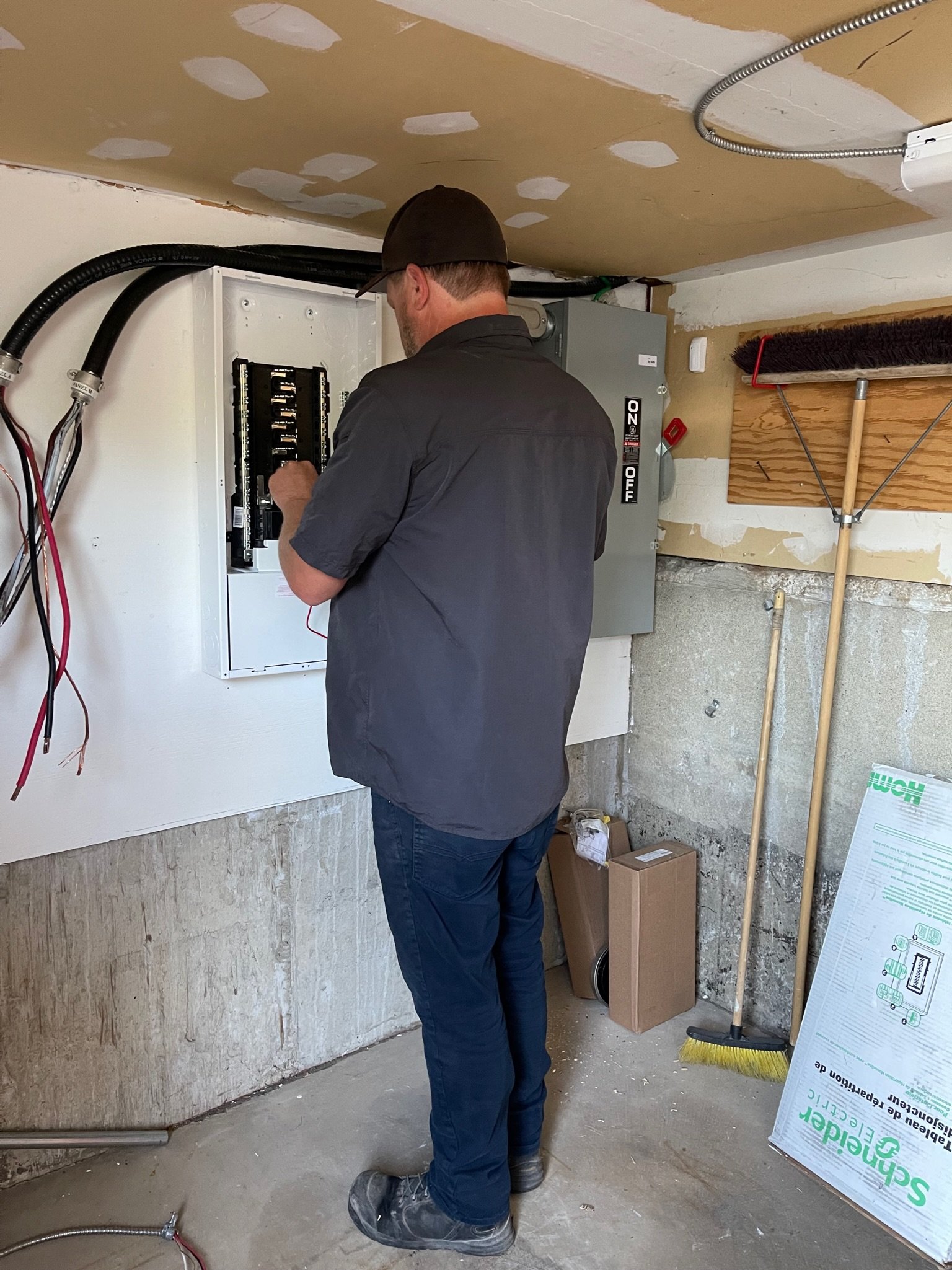
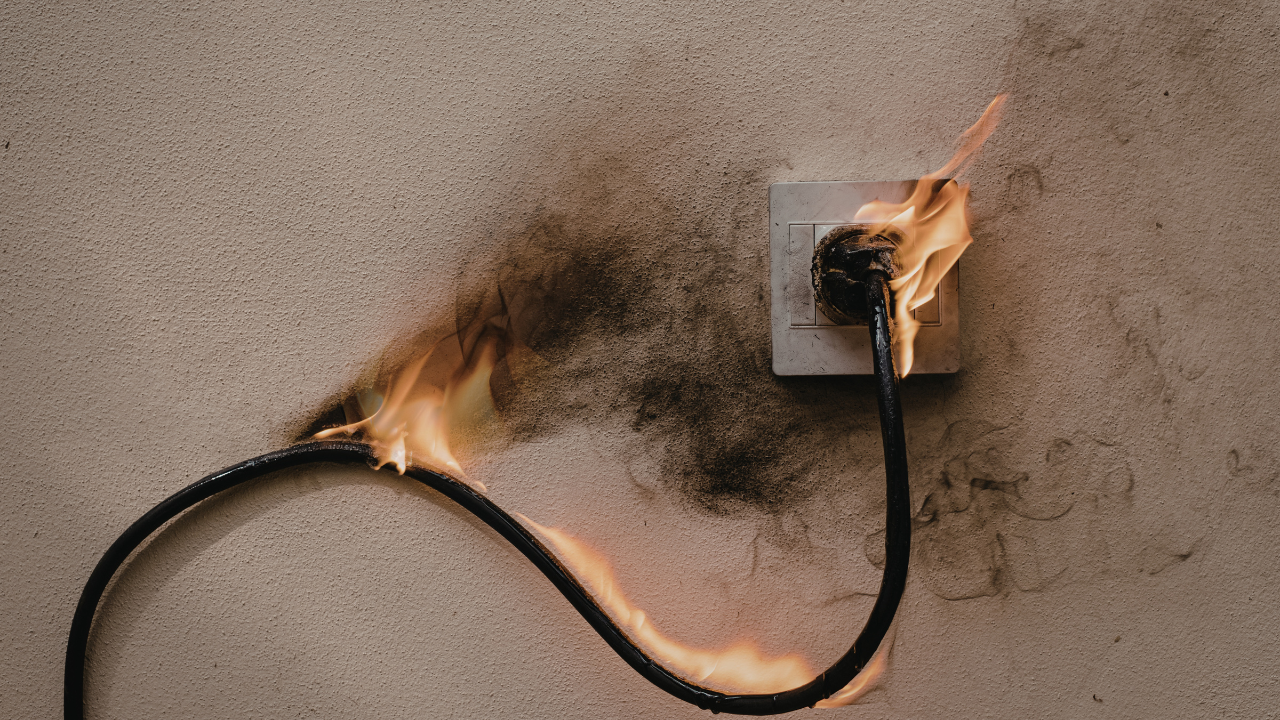
Welcome to the electrifying world of electrical wiring, where safety meets functionality! Whether you’re a seasoned DIYer or someone who thinks a circuit breaker is a fancy drink at a bar, understanding your home’s electrical wiring is crucial. Ignoring the signs of trouble can lead to shocking consequences literally!
Your home’s electrical wiring is like the nervous system of your abode. It powers everything from your morning coffee maker to your late-night binge-watching sessions. But just like any other system, it can show signs of wear and tear over time. So, how do you know when it’s time to pay attention?
In this blog post, we’ll explore the warning signs that indicate your home electrical wiring needs some TLC (that’s Tender Loving Care, not Too Little Current). From flickering lights that might make you think you’re in a horror movie to outlets that feel hotter than a summer day in Calgary, we’ll cover it all.
So grab your favorite snack, sit back, and let’s dive into the world of residential electrical wiring. By the end of this post, you’ll be equipped with knowledge that could save you from costly repairs or worse, hazardous situations!
Understanding Electrical Wiring
So, what exactly is electrical wiring? Think of it as the nervous system of your home, transmitting power to every nook and cranny. Without it, your lights would be as dim as a cave at midnight!
- Definition of electrical wiring: It’s the system of conductors and devices that carry electric current throughout your home. This includes everything from the main service panel to every outlet and switch.
- Types of electrical wiring in homes: There are several types, including:
- Residential electrical wiring: This is what you typically find in homes think copper wires and plastic insulation.
- Commercial electrical wiring: Used in businesses and offices, often requiring more robust systems.
- Industrial electrical wiring: For factories and large facilities, this type needs to handle heavy loads.
- Low voltage wiring systems: These are used for things like doorbells or landscape lighting perfect for DIY enthusiasts!
- Importance of proper installation and maintenance: Proper installation is crucial because a poorly wired home can lead to all sorts of headaches from flickering lights to full-blown electrical fires. Regular maintenance ensures everything runs smoothly and complies with the latest Canadian Electrical Code standards.
Did you know? Faulty electrical wiring is one of the leading causes of house fires. Keeping up with regular inspections can save lives!
If you’re considering any renovations or upgrades, understanding your home’s existing wiring is essential. Whether you’re looking into smart home wiring solutions or just need basic electrical wiring repair, knowing what you’re working with can save you time and money in the long run.
A common misconception is that all wires are created equal. Spoiler alert: they’re not! For instance, aluminum vs copper wire can significantly affect performance and safety. Copper tends to be more reliable but also pricier so if you’re on a budget, weigh your options wisely!
The bottom line? Keeping tabs on your home’s electrical wiring isn’t just about aesthetics; it’s about safety, efficiency, and ensuring that your home functions at its best. So roll up those sleeves your home’s electrics deserve some TLC!
Common Warning Signs of Faulty Electrical Wiring
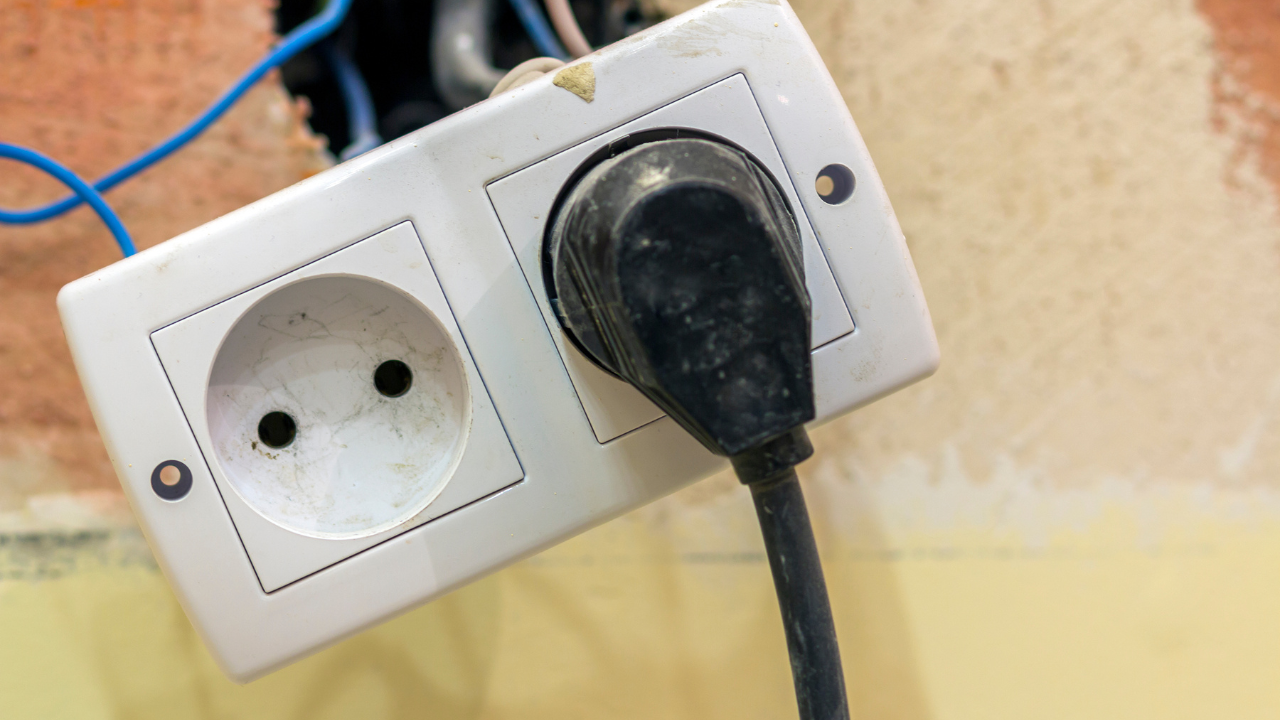
Spotting issues with your electrical wiring is like playing detective in your own home. The clues can be subtle, but they all point to a bigger problem that could leave you in the dark literally! Here are some common warning signs that your home electrical wiring might need a little TLC:
- Frequent circuit breaker trips: If your circuit breaker is tripping more often than a clumsy waiter at a fancy restaurant, it’s a sign that something’s amiss. This can indicate overloaded circuits or faulty wiring.
- Flickering or dimming lights: Dimming lights can feel like an eerie horror movie moment, but they’re often just your electrical system struggling to keep up. This could mean poor connections or outdated wiring.
- Burning smell or scorch marks on outlets: If you catch a whiff of something burning or notice scorch marks around your outlets, it’s time to call in the pros. This is not just a red flag; it’s a full-blown emergency alert!
- Buzzing sounds from outlets or switches: If your outlets sound like they’re auditioning for a band, there may be loose wires or faulty connections at play. Trust me, no one wants their home to double as a concert venue!
- Warm or hot outlets and switches: Outlets should feel cool to the touch. If they’re warm or hot, this could indicate excessive current flow a potential fire hazard that demands immediate attention.
Takeaway: Ignoring these signs can lead to serious safety hazards, including electrical fires and costly repairs. Always prioritize safety and consider having an expert assess your situation!
The Risks of Ignoring Electrical Wiring Issues
Ignoring electrical wiring issues in your home is like ignoring a small fire in the kitchen because it’s just a flicker. Spoiler alert: it can lead to a full-blown inferno. Let’s break down the risks, shall we?
- Fire Hazards: Faulty wiring is a leading cause of residential fires. According to the National Fire Protection Association, electrical failures or malfunctions accounted for 13% of home fires from 2014 to 2018. That’s not just a statistic; it’s a wake-up call!
- Electrical Shock: Old house electrical wiring or poorly installed systems can be a shocking experience literally. Exposed wires or faulty connections can lead to dangerous shocks, risking serious injury or even death.
- Increased Energy Costs: Inefficient electrical wiring can make your energy bills skyrocket. If your home electrical wiring is outdated or damaged, you might be wasting energy without even knowing it. Think of it as throwing money out the window every month!
Key Takeaway: Regularly inspecting and maintaining your electrical wiring is crucial for safety and efficiency. Don’t wait for the warning signs be proactive!
If you’re considering DIY electrical wiring projects, remember that some things are best left to certified electrician services in Canada. It’s not just about aesthetics; it’s about safety and compliance with Canadian Electrical Code standards.
When to Call a Professional Electrician
Alright, let’s get down to brass tacks: knowing when to call in the pros can save you from a world of electrical pain (and potential fire hazards). Here are some telltale signs that it’s time to hang up your DIY hat and reach for the phone:
- Complex Wiring Issues: If you’ve got a problem that feels more like an episode of “Stranger Things” than a simple fix, it’s time to call a certified electrician. Sometimes, home electrical wiring can be as tangled as your headphones after being stuffed in your pocket.
- Safety First: Electrical wiring safety isn’t just a catchy phrase; it’s crucial. If you’re unsure about your electrical wiring installation or if it doesn’t follow the Canadian Electrical Code standards, don’t risk it. A professional can ensure everything is up to code and safe.
- Outdated Systems: If you live in an old house with outdated electrical wiring, you may need more than just a quick fix. Rewiring a house cost in Canada can vary, but investing in modern systems will pay off in safety and efficiency.
- Emergency Situations: If you’re facing issues like frequent power outages or burning smells coming from outlets, call emergency electrician services Canada 24/7. These situations require immediate attention think of them like the fire alarm of your home’s electrical system.
- Smart Home Upgrades: Planning on installing advanced home automation systems Canada? Leave it to the pros! They can handle smart home wiring solutions and ensure everything integrates seamlessly.
Remember: Attempting complex repairs without proper knowledge can lead to further damage or safety hazards. Always prioritize safety over savings!
If you’ve ever tried DIY electrical wiring only to end up with more questions than answers (or worse), you’re not alone! Many homeowners make common mistakes like using improper electrical wire connectors or ignoring basic electrical wiring colors. So, when in doubt, call a pro it’s worth every penny for peace of mind.
Preventative Measures for Home Electrical Safety
When it comes to electrical wiring, prevention is truly better than cure. Think of it as a regular check-up for your home; just like you wouldn’t skip your annual physical, you shouldn’t neglect your electrical systems either! Here are some key strategies to keep your home’s electrical wiring safe and sound.
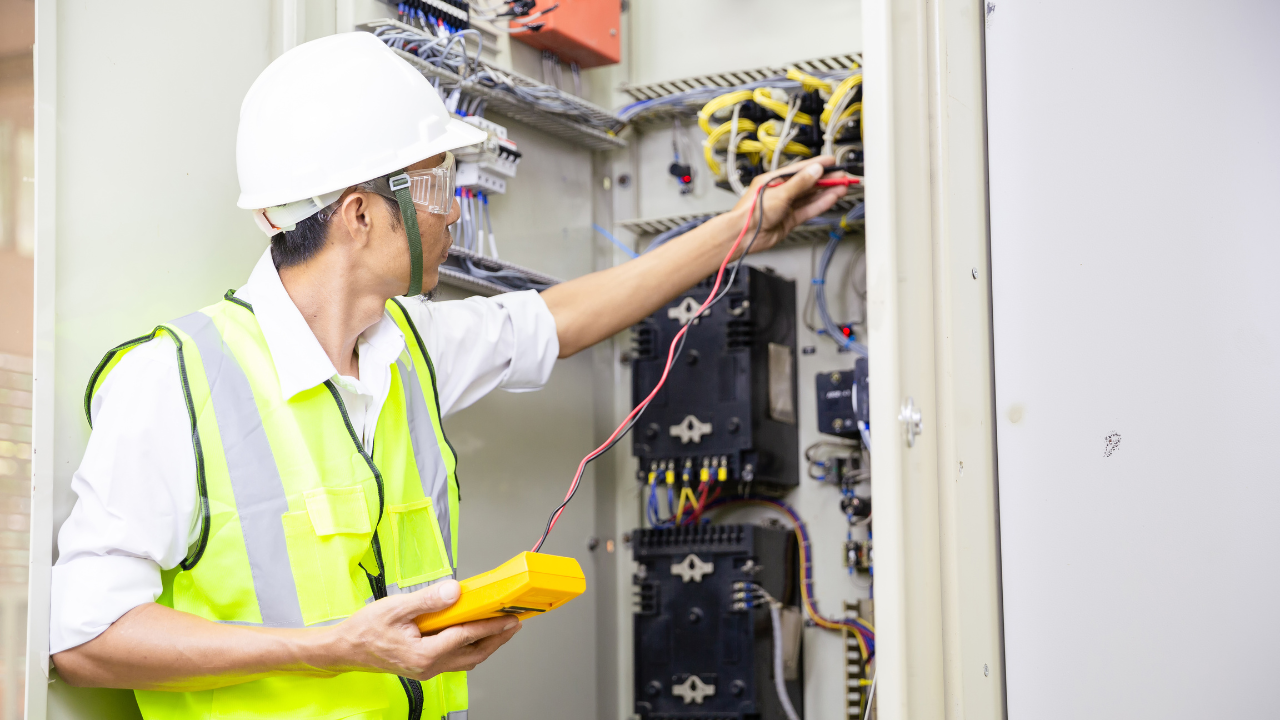
Regular Inspections
First things first: schedule regular inspections of your home electrical wiring. This is not just a “nice-to-have” but a necessity. A certified electrician can help you spot potential issues before they turn into costly repairs or, worse, hazardous situations. Here are some tips:
- Check for frayed wires or loose connections.
- Inspect outlets and switches for any signs of wear and tear.
- Look out for any unusual smells or sounds if something smells “funny,” it might be time to call in the pros!
The Canadian Electrical Code Standards
Familiarize yourself with the Canadian Electrical Code standards. These guidelines are designed to ensure safety and efficiency in electrical installations. Adhering to these standards means:
- Your installation complies with safety regulations.
- You reduce the risk of fire hazards associated with faulty wiring.
- You enhance the longevity of your electrical systems.
Tip: If you’re considering any DIY electrical wiring projects, make sure you’re aware of the relevant codes and regulations. This could save you from hefty fines or dangerous situations down the road!
Upgrade Your Old Wiring
If you live in an older home, it might be time to think about upgrading your old house electrical wiring. Outdated systems can struggle to keep up with modern demands, especially with our obsession with smart home devices! Consider:
- Rewiring parts of your home to accommodate new technologies.
- Replacing aluminum wire with copper wire for better conductivity and safety.
- Installing fire-resistant wire coatings Canada offers as an added layer of protection.
Smart Home Wiring Solutions
With advancements in technology, integrating smart home wiring solutions can enhance both convenience and safety. These solutions often come equipped with features like:
- Surge protection installation: Protects against power surges that could damage sensitive electronics.
- Energy-efficient home wiring tips: Helps reduce energy consumption and lower bills.
- Advanced home automation systems Canada: Offers remote monitoring capabilities for peace of mind.
A little foresight goes a long way when it comes to maintaining safe electrical systems in your home. So don’t wait until there’s a problem take proactive steps today!
Conclusion
In conclusion, your home’s electrical wiring is more than just a tangled web of wires behind your walls; it’s the lifeblood of your household. Ignoring the warning signs can lead to not just inconvenience but serious safety hazards. From flickering lights to the ominous smell of burning, these signals are your home’s way of waving a red flag, begging for attention.
Remember, whether it’s an old house with outdated electrical wiring or a modern space needing smart home wiring solutions, staying proactive is key. Regular inspections and adherence to Canadian Electrical Code standards will not only keep your home safe but also enhance its energy efficiency.
Key Takeaway: If you notice any warning signs related to your electrical system, don't hesitate to reach out for professional help. A certified electrician can provide valuable insights into necessary repairs or upgrades, ensuring that your home remains a safe haven.
If you’re considering a DIY approach for minor issues, make sure you’re familiar with basic electrical wiring principles and safety protocols. However, for anything beyond that like complex electrical circuit design or major repairs it’s best to call in the pros. After all, when it comes to electricity, it’s better to be safe than sorry!
Your home’s safety and functionality depend on reliable electrical wiring. So take action today! Schedule an inspection or consult with experienced professionals who can guide you through any necessary updates or repairs.