
Identifying Common Electrical Emergencies
Did you know that electrical fires account for about 51,000 fires each year in the U.S. alone? That’s a staggering number that underscores the importance of knowing how to identify electrical emergencies before they escalate.
Imagine coming home after a long day, ready to kick back and relax, only to be greeted by flickering lights and a strange buzzing sound from your outlets. Not exactly the welcome you were hoping for, right? Identifying these issues early can mean the difference between a minor inconvenience and a full-blown electrical emergency.
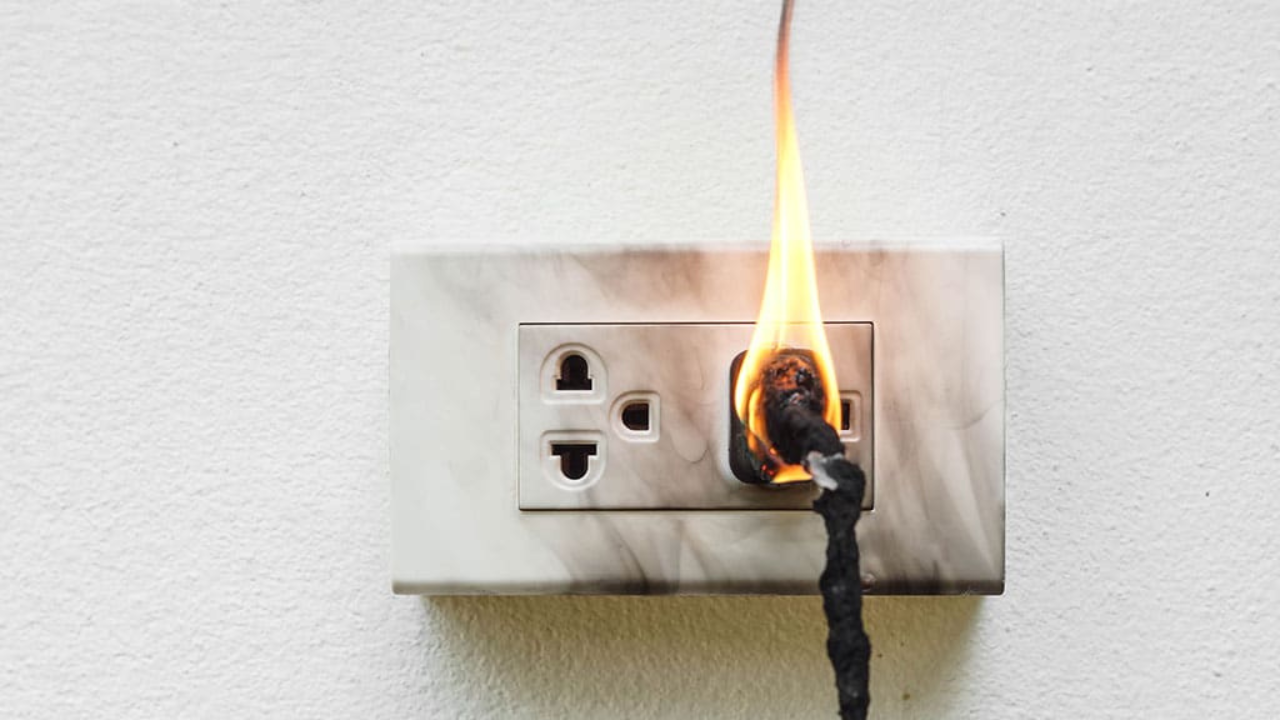
Common Signs of Electrical Emergencies
Recognizing the signs of an electrical emergency is crucial. Here are some red flags to watch out for:
- Flickering or dimming lights: If your lights are playing hide-and-seek with brightness, it could indicate an overloaded circuit or faulty wiring.
- Burning smells: A smell resembling burnt plastic or rubber is never good news. It often signals overheating wires or components.
- Frequent tripped breakers: If you’re resetting your circuit breaker more often than you’d like, it’s time to investigate further.
- Buzzing sounds: If your outlets or switches are making noise, they’re likely trying to tell you something important—like get me checked out!
Specific Scenarios to Consider
What would I do if I encounter an electrical emergency? is a question many people ponder too late. Let’s break down some specific scenarios:
- A homeowner discovers exposed wires in their basement after a heavy rain. This could lead to severe shock hazards if not addressed immediately.
- A small business experiences frequent power outages during peak hours. This might indicate insufficient power supply or faulty equipment needing urgent attention.
Always prioritize safety—if you suspect an electrical emergency, don’t hesitate to call an electrical emergency service.
Key takeaway: Recognizing early signs of trouble can save lives and property. Stay vigilant!
Immediate Response Protocols for Electrical Emergencies
When the lights flicker and a strange burning smell fills the air, your heart races, and panic sets in. But don’t worry! You don’t have to be a superhero to handle an electrical emergency—just follow these immediate response protocols.
Stay Calm and Assess the Situation
Take a deep breath. Your first move is to assess what’s happening. Are there sparks? Is there smoke? Or is it just a minor power flicker? Knowing the severity of the situation will guide your next steps.
- Look for visible signs of trouble: smoke, burning smells, or unusual sounds.
- Identify if anyone is at risk—especially children or pets.
- Determine if you can safely access your circuit breaker.
Cut Off Power Immediately
If you suspect an electrical emergency, your next step is to cut off power. This is where knowing your circuit breaker becomes crucial. If you can safely reach it without exposing yourself to hazards, flip that switch!
Remember: If you see flames or heavy smoke, don’t hesitate—evacuate immediately and call emergency services.
Call for Professional Help
But I can fix this!—a common thought that might lead you down a dangerous path. Electrical emergencies are not DIY projects. Once you’ve assessed the situation and cut off power, it’s time to call in the pros. An electrical emergency service is equipped with the tools and expertise needed to handle issues safely.
- (1) Dial your local emergency electrical service number.
- (2) Provide them with detailed information about what you observed.
- (3) Follow any instructions they give while waiting for their arrival.
Key takeaway: Immediate action can prevent further damage or injury. Always prioritize safety by calling professionals.
What Happens Next?
After you’ve contacted an electrical emergency service, it’s important to stay put and keep everyone safe until help arrives. Avoid trying to resolve anything on your own; let the experts do their thing! They’ll investigate the issue thoroughly and ensure everything is up to code before giving you the all-clear.
In summary, knowing how to respond when faced with an electrical emergency can make all the difference. Stay calm, cut off power when possible, and always reach out for professional help. Remember: safety first!
Preventative Measures to Minimize Electrical Risks
Did you know that nearly 70% of electrical fires could be prevented with proper maintenance and awareness? That’s a jaw-dropping statistic that should make every homeowner or business owner sit up and take notice. Ignoring electrical safety is like playing a game of Russian roulette with your property—and let’s be real, nobody wants to lose that game.
Imagine this: you’re in the middle of a cozy dinner party when suddenly the lights flicker, and your oven starts making a strange noise. Your guests look around with wide eyes, and you feel the heat rising—not just from the oven, but from embarrassment. How do you avoid this cringe-worthy situation? By implementing preventative measures well before the candles hit the table.
Regular Inspections: Your Best Friend
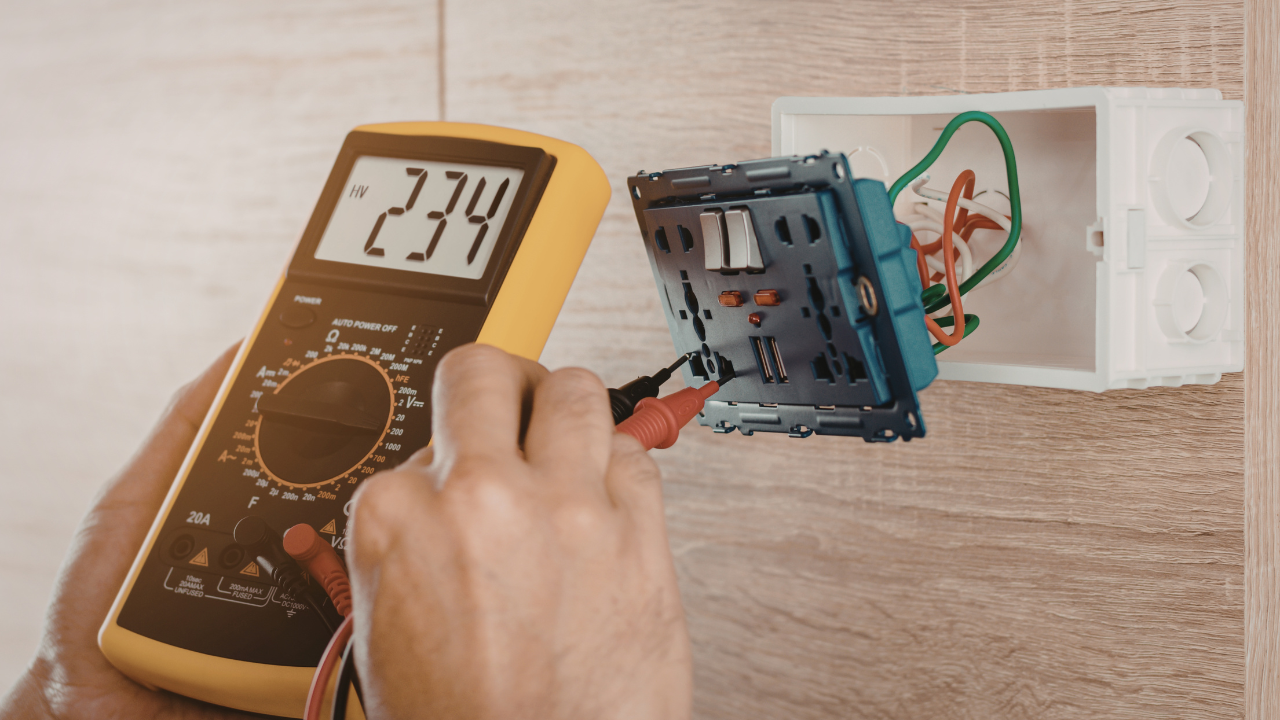
Just like you wouldn’t skip your annual health check-up, don’t skip on electrical inspections! Schedule regular visits from a licensed electrician who can check for faulty wiring, outdated panels, or overloaded circuits. Think of it as a health screening for your home’s electrical system—better safe than sorry!
- Inspect outlets for burn marks or looseness.
- Check circuit breakers for signs of wear.
- Look out for frayed cords on appliances.
Upgrade Your Equipment
If it ain’t broke, don’t fix it doesn’t apply here. Outdated equipment can be a ticking time bomb. Upgrading to modern appliances and smart technology not only improves efficiency but also enhances safety. For instance, consider installing Ground Fault Circuit Interrupters (GFCIs) in areas prone to moisture like kitchens and bathrooms—they’re designed to cut off power instantly if they detect an imbalance.
Investing in quality equipment now can save you from costly repairs later.
Don’t Overload Is Not Just a Suggestion
It’ll be fine is often what we tell ourselves when we’re cramming too many devices into one outlet. Spoiler alert: it won’t be fine! Overloading circuits is one of the leading causes of electrical fires. Use power strips wisely and avoid daisy-chaining them together like they’re long-lost friends at a reunion.
- Use only one high-wattage appliance per outlet.
- ‘If you find yourself using multiple extension cords regularly, it’s time for an upgrade.’
Key takeaway: Proactive measures are essential in preventing electrical emergencies—don’t wait for something to go wrong!
In conclusion, taking preventative measures not only protects your home but also provides peace of mind. So next time you’re tempted to ignore that flickering light or outdated appliance, remember: investing time and resources into safety today can prevent chaos tomorrow.
Understanding the Role of Professional Electrical Services in Emergencies
When an electrical emergency strikes, your first instinct might be to grab a toolbox and channel your inner DIY guru. But here’s the cold, hard truth: if you’re not a licensed electrician, that toolbox might do more harm than good. In fact, nearly 30% of home electrical fires result from improper DIY repairs. Yikes!
Take a moment to picture this: it’s a stormy night, and the power suddenly goes out. You fumble around for candles when—bam!—you remember that one outlet in the living room was acting funny last week. Do you try to fix it yourself, or do you call in the pros? Spoiler alert: calling an electrical emergency service is usually the safer bet.
Why Professional Help Matters
The role of professional electrical services during emergencies can’t be overstated. These experts bring not only tools but also extensive training and experience to the table. They know how to quickly assess situations that could easily spiral out of control and have protocols in place for handling various scenarios.
- Expertise: Professionals are trained to identify potential hazards that an untrained eye might overlook.
- Safety: They follow strict safety protocols to minimize risks during repairs.
- Efficiency: A qualified electrician can often diagnose and fix issues much faster than an amateur.
- Liability Coverage: Hiring a licensed service protects you from liability if something goes wrong during repairs.
Real-World Scenarios Highlighting Professional Services
What could possibly go wrong? you might ask before attempting a fix on your own. Well, let’s consider some real-world scenarios where professional electrical services saved the day.
- (1) A small café faced frequent power outages due to faulty wiring. After trying to fix it themselves with tape and hope, they called an emergency service that discovered major code violations—saving them from potential fire hazards.
- (2) A family found their circuit breaker tripping repeatedly. After a failed DIY attempt involving YouTube tutorials, they called in professionals who identified overloaded circuits and safely reconfigured their system.
A stitch in time saves nine—and in this case, calling an expert can save you from costly repairs down the line!
Remember: Electrical emergencies are not DIY projects; always prioritize safety by calling professionals.
So what should you do next? If you’re ever faced with flickering lights or strange sounds coming from your outlets, resist the urge to play handyman. Instead, keep your local electrical emergency service number handy and call for help immediately.
Creating an Emergency Action Plan for Your Property
Picture this: a family dinner is interrupted by the smell of burning wires, and suddenly, chaos ensues. Without a solid emergency action plan, everyone is left scrambling. But here’s the kicker—having a plan can turn that panic into a well-oiled machine of efficiency.
A staggering 70% of households don’t have an emergency action plan in place. That’s like driving without a seatbelt—risky and downright foolish! So, let’s break down how to create an effective emergency action plan tailored to electrical emergencies.
Step 1: Identify Key Risks
Start by assessing your property. Look for potential electrical hazards: exposed wiring, overloaded circuits, or outdated appliances that could trigger an incident. For instance, if you run a small bakery with high-power ovens, ensure your wiring can handle the load without blowing fuses or worse.
Step 2: Establish Communication Protocols
Next up—communication! Designate who will be responsible for what during an electrical emergency. Is it Aunt Linda who always knows where the flashlight is? Or maybe your teenage son who seems to have a knack for calling the right people? Make sure everyone knows their role.
- (1) Create a contact list that includes local electrical emergency services.
- (2) Share this list with everyone in your household or workplace.
- (3) Conduct regular drills to ensure everyone knows what to do and where to go.
Step 3: Plan Your Escape Routes
Evacuate immediately should be more than just words; it should be part of your muscle memory. Identify clear escape routes from each room in case of an emergency. Practice these routes with everyone involved—yes, even that skeptical uncle who thinks he knows better!
Post-Emergency Assessment and Repair Process
Once the smoke clears and the chaos subsides, you might think the worst is over. But hold your horses! The post-emergency assessment and repair process is just as crucial as the initial response. Ignoring this phase can lead to lingering issues that could bite you later—think of it as a sequel to a horror movie where the villain just won’t die.
Step 1: Safety First—Assess Damage
Before you even think about picking up a tool, ensure that everything is safe. This means checking for any residual hazards like exposed wires or lingering smoke. If you’re dealing with a significant electrical emergency, it’s wise to wait for your electrical emergency service team to arrive before stepping into the danger zone.
Remember: Safety isn’t just a priority—it’s the only option!
Step 2: Document Everything
Grab your phone or a notepad and document every detail of what happened. This includes times, noises, smells, and anything else that seems relevant. Not only will this help professionals diagnose the issue more effectively, but it also provides valuable information for insurance claims if necessary. Trust me; your future self will thank you!
Step 3: Call in the Pros
I can fix this myself is often what people tell themselves right before they create more problems. When it comes to electrical repairs, calling an electrical emergency service should be your go-to move. These experts know how to navigate through damage safely and efficiently.
- (1) Provide them with all documented information.
- (2) Follow their guidance regarding safety protocols.
- (3) Let them handle the repairs—they’re trained for this!
Step 4: Repair or Replace?
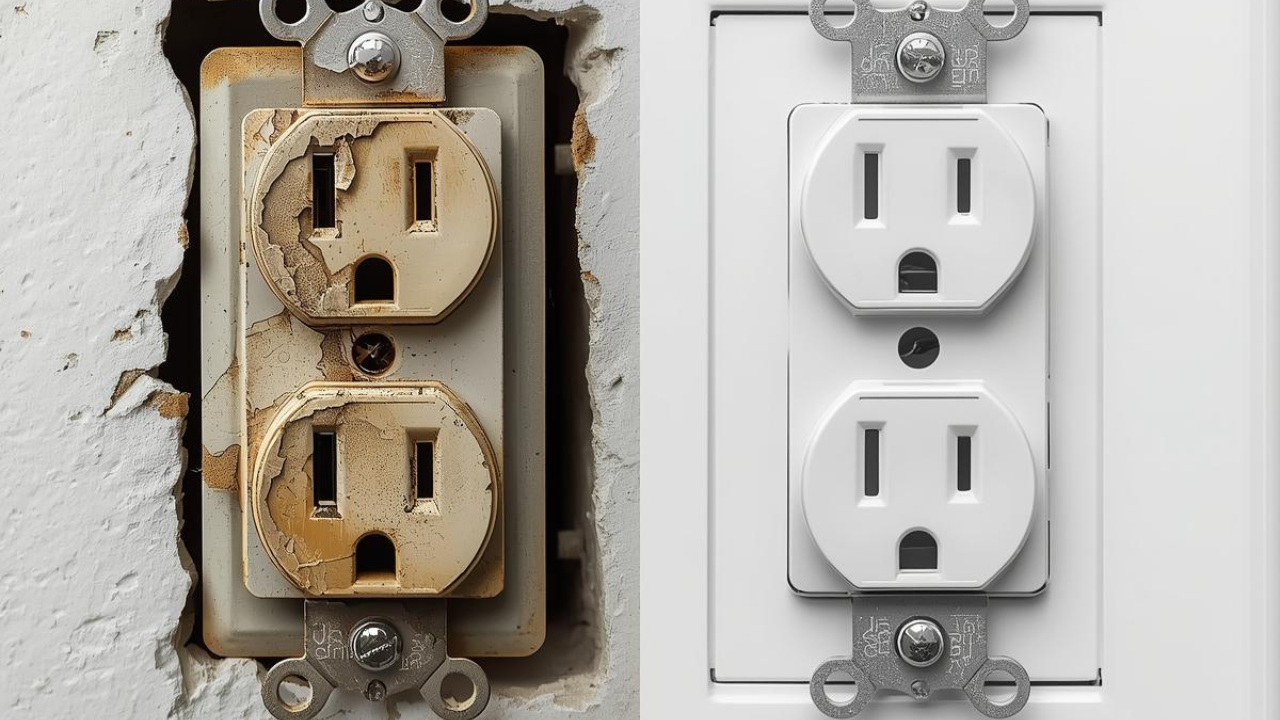
Repair or replace? is a classic dilemma in many situations—but when it comes to electrical systems, it’s important to consider both safety and cost-effectiveness. Sometimes repairing faulty wiring is enough; other times, you might need an entire panel upgrade. Your electrical emergency service will guide this decision based on their assessment.
Finally, once repairs are completed and everything’s back up to code, take some time to review what went wrong initially. Understanding how an electrical emergency occurred can help prevent future incidents—because let’s face it, nobody wants that sequel!
Long-Term Strategies for Enhanced Electrical Safety
It’s not just about putting out fires—figuratively and literally. Did you know that nearly 70% of electrical fires could be prevented with proper maintenance? That’s a staggering statistic that should give every homeowner and business owner pause. The reality is, electrical safety isn’t a one-off task; it’s an ongoing commitment.
Let’s paint a picture: imagine a small bakery bustling with customers. The aroma of fresh bread fills the air, but suddenly, the lights flicker ominously. The owner remembers that the wiring had been fine for years. Spoiler alert: ignoring those flickers is like ignoring a sneeze before flu season—it’s usually a sign that something’s off.
Regular Electrical Inspections: Your Safety Check-Up
Just like you wouldn’t skip your annual health check-up, don’t skip on electrical inspections! Schedule regular visits from a licensed electrician who can check for faulty wiring, outdated panels, or overloaded circuits. Think of it as giving your home’s electrical system a wellness check—better safe than sorry!
- Inspect outlets for burn marks or looseness.
- Check circuit breakers for signs of wear.
- Look out for frayed cords on appliances.
Upgrade Your Equipment: Don’t Wait for Disaster
If it ain’t broke, don’t fix it doesn’t apply here. Outdated equipment can be a ticking time bomb. Upgrading to modern appliances and smart technology not only improves efficiency but also enhances safety. For instance, consider installing Ground Fault Circuit Interrupters (GFCIs) in areas prone to moisture like kitchens and bathrooms—they’re designed to cut off power instantly if they detect an imbalance.
Investing in quality equipment now can save you from costly repairs later.
Don’t Overload Is Not Just a Suggestion
It’ll be fine is often what we tell ourselves when we’re cramming too many devices into one outlet. Spoiler alert: it won’t be fine! Overloading circuits is one of the leading causes of electrical fires. Use power strips wisely and avoid daisy-chaining them together like they’re long-lost friends at a reunion.
- Use only one high-wattage appliance per outlet.
- ‘If you find yourself using multiple extension cords regularly, it’s time for an upgrade.’
Proactive measures are essential in preventing electrical emergencies—don’t wait for something to go wrong!
In conclusion, taking long-term strategies seriously not only protects your home but also provides peace of mind. So next time you’re tempted to ignore that flickering light or outdated appliance, remember: investing time and resources into safety today can prevent chaos tomorrow.