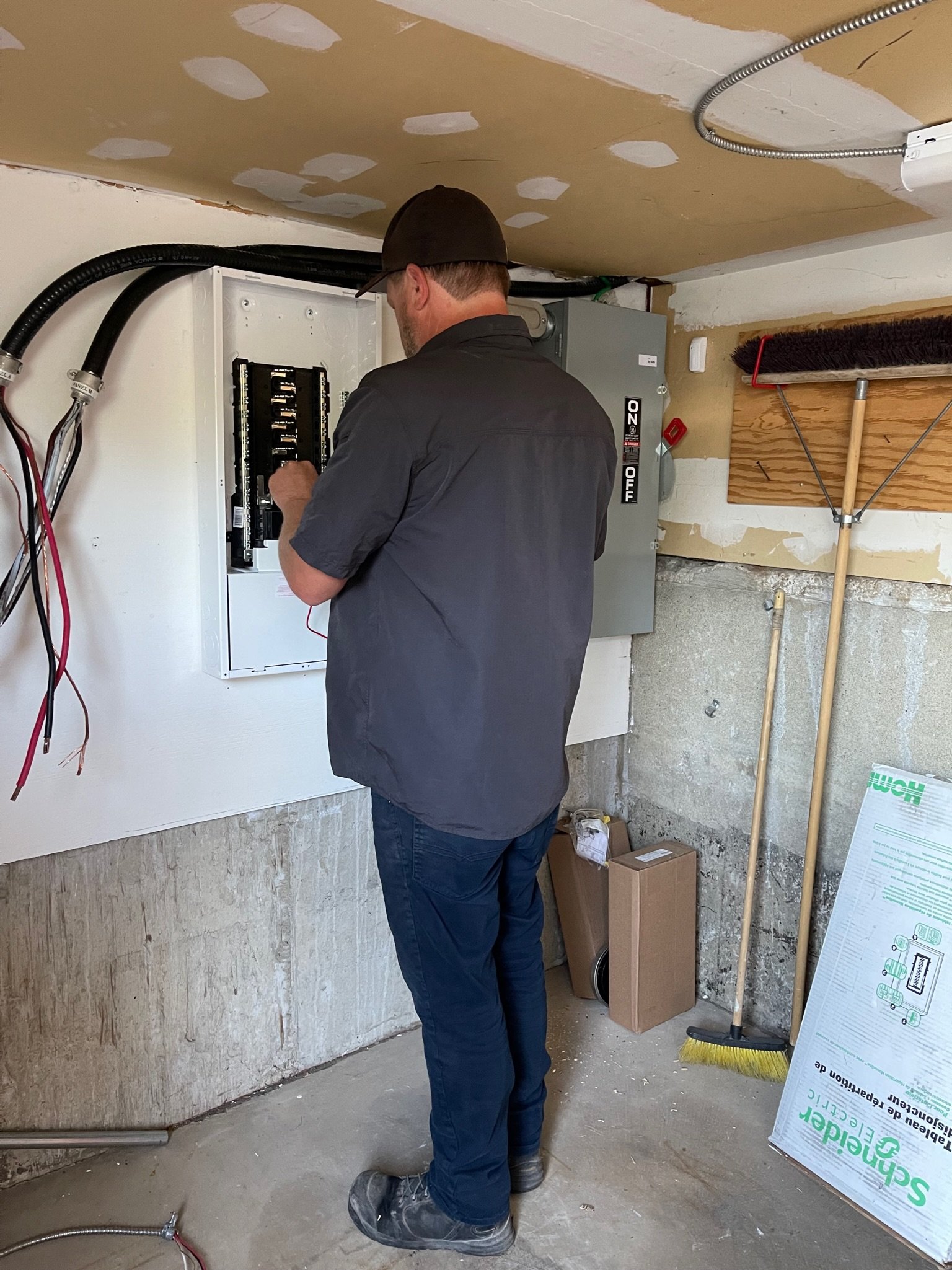
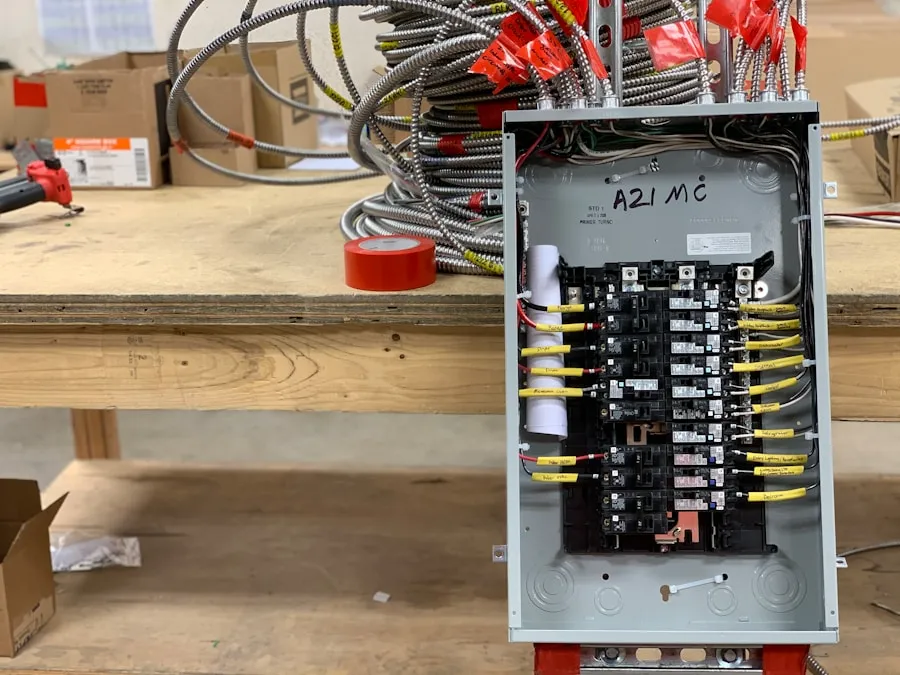
Condominium electrical systems can be complex, especially for those new to homeownership. Understanding the basics of these systems is crucial for maintaining a safe and efficient living environment. Condo electrical systems typically consist of a main electrical panel that distributes power to individual units.
Each unit has its own circuit breakers, wiring, outlets, and light fixtures. It’s important for homeowners to familiarize themselves with the location of the main panel and understand how to safely reset circuit breakers in case of an overload. Furthermore, it’s essential to know the difference between dedicated circuits, which are designed for specific high-power appliances like refrigerators or air conditioners, and general circuits that power lighting and outlets throughout the unit.
Being aware of these distinctions can help homeowners troubleshoot electrical issues and make informed decisions about their electrical usage.
Key Takeaways
- Understanding the basics of condo electrical systems is crucial for homeowners to ensure a safe and efficient home.
- Regular electrical maintenance is essential for preventing common electrical issues in condos and addressing them promptly.
- Energy-efficient upgrades can help improve condo electrical systems and reduce energy consumption.
- Regular electrical inspections are important for identifying potential issues and ensuring the safety of condo electrical systems.
- When it comes to condo electrical work, hiring a professional electrician is necessary to ensure the job is done safely and correctly.
Essential Condo Electrical Maintenance Tips for Homeowners
Regular maintenance is key to ensuring the safety and efficiency of a condo’s electrical system. Homeowners should make it a priority to inspect outlets, switches, and light fixtures for any signs of wear or damage. Loose outlets or switches, flickering lights, or buzzing sounds can indicate potential electrical problems that need to be addressed promptly.
In addition, it’s important to avoid overloading circuits by plugging too many devices into a single outlet or power strip. Distributing electrical loads evenly throughout the unit can prevent overheating and reduce the risk of electrical fires. Homeowners should also be mindful of the age and condition of their electrical wiring, as outdated or damaged wiring can pose serious safety hazards.
Regularly checking for frayed or exposed wires can help prevent electrical malfunctions and potential shocks.
Common Electrical Issues in Condos and How to Address Them
Several common electrical issues can arise in condominiums, including tripped circuit breakers, faulty outlets, and outdated wiring. When a circuit breaker trips frequently, it may indicate an overloaded circuit or a faulty appliance. Homeowners should unplug devices from the affected circuit and reset the breaker.
If the issue persists, it’s advisable to consult a professional electrician to diagnose and resolve the problem. Faulty outlets, characterized by loose plugs or intermittent power supply, should be inspected and replaced if necessary. Additionally, older condos may have outdated aluminum wiring, which can pose a fire hazard due to its tendency to oxidize and overheat.
Upgrading to copper wiring or installing aluminum-compatible connectors can mitigate this risk and ensure the safety of the electrical system.
Energy-Efficient Upgrades for Condo Electrical Systems
| Upgrade | Energy Savings | Cost | Lifespan |
|---|---|---|---|
| LED Lighting | Up to 75% reduction | Low | Up to 25,000 hours |
| Smart Thermostat | Up to 15% reduction | Moderate | 10-15 years |
| Energy-Efficient Appliances | Varies by appliance | Varies by appliance | Varies by appliance |
| Solar Panels | Varies by system size | High initial cost | 25-30 years |
In today’s environmentally conscious world, energy-efficient upgrades are becoming increasingly popular among condo owners. Switching to LED lighting can significantly reduce energy consumption and lower utility bills. LED bulbs not only last longer than traditional incandescent bulbs but also produce less heat, making them a safer option for condo lighting.
Furthermore, installing programmable thermostats and energy-efficient appliances can help minimize electricity usage and decrease overall energy costs. Smart home technology, such as motion-sensing light switches and smart power strips, can also contribute to energy savings by automatically adjusting power usage based on occupancy and usage patterns.
The Importance of Regular Electrical Inspections in Condos
Regular electrical inspections are crucial for maintaining a safe living environment in condominiums. Professional electricians can identify potential hazards such as overloaded circuits, faulty wiring, or outdated electrical panels. By conducting routine inspections, homeowners can address issues proactively and prevent more significant problems from arising.
Moreover, electrical inspections are particularly important when purchasing a condo or renovating an existing unit. Ensuring that the electrical system meets current safety standards and building codes can provide peace of mind and safeguard against potential risks in the future.

Safety Measures for Condo Electrical Maintenance
Safety should always be a top priority when performing condo electrical maintenance. Homeowners should exercise caution when working with electricity and avoid attempting complex electrical repairs without the necessary expertise. Turning off the power at the main panel before conducting any maintenance or repairs is essential to prevent electric shocks or fires.
Using insulated tools and wearing protective gear, such as gloves and safety goggles, can further reduce the risk of accidents during maintenance tasks. It’s also advisable to keep flammable materials away from electrical equipment and ensure that all smoke detectors and fire extinguishers are in good working condition.
Hiring a Professional Electrician for Condo Electrical Work: What You Need to Know
When it comes to more complex electrical tasks or troubleshooting issues beyond basic maintenance, hiring a professional electrician is often the safest and most effective course of action. Electricians have the expertise and experience to diagnose and resolve electrical problems efficiently while adhering to safety standards and local building codes. Before hiring an electrician, homeowners should verify their credentials, including licensing and insurance, to ensure they are qualified to perform the necessary work.
Obtaining multiple quotes from reputable electricians can help homeowners compare costs and make informed decisions about their electrical service provider. Additionally, seeking recommendations from neighbors or condo associations can help identify trusted electricians with a proven track record in condominium electrical work. In conclusion, understanding condo electrical systems and implementing regular maintenance practices are essential for ensuring a safe and efficient living environment.
By addressing common electrical issues, embracing energy-efficient upgrades, prioritizing regular inspections, and observing safety measures, homeowners can effectively maintain their condo’s electrical system. When in doubt or faced with complex electrical tasks, consulting a professional electrician is always recommended to ensure the highest level of safety and expertise in addressing electrical needs within a condominium setting.