Electrical wiring is one of those things most homeowners never think about until something goes wrong. But understanding the basics of residential electrical wiring in Calgary can help you catch problems early, make smarter decisions during renovations, and know when to call a professional before a small issue becomes a serious safety risk. Whether your home was built in the 1960s or last year, knowing what runs behind your walls matters.
What Is Residential Electrical Wiring?
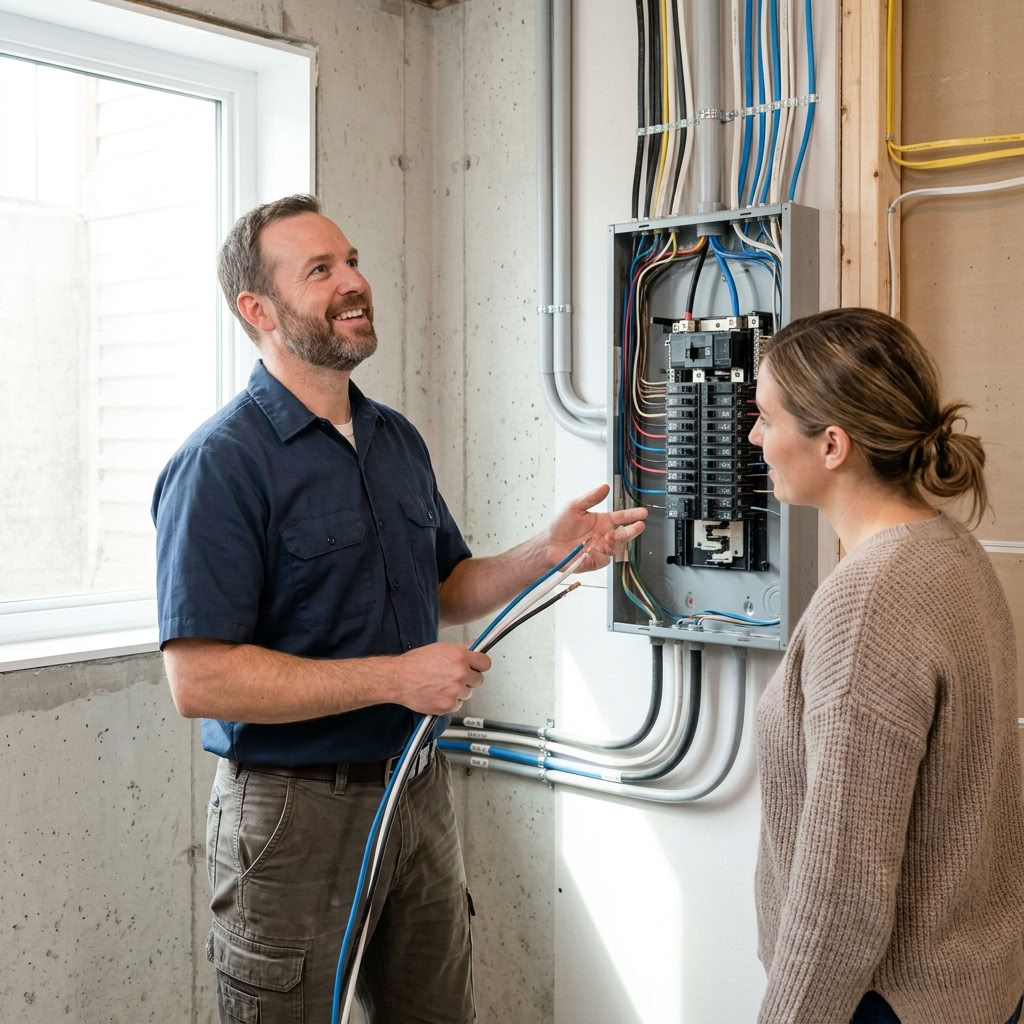
Residential electrical wiring is the complete network of wires, circuits, breakers, and outlets that carry power throughout your home. It starts at the main electrical panel and branches out to every room, connecting your lights, appliances, heating systems, and devices to a reliable power source.
Think of it as the circulatory system of your home. Every outlet you plug into, every switch you flip, and every appliance you run depends on that network functioning correctly. When the wiring is in good shape, everything works seamlessly. When something is off, the effects can range from minor inconveniences to genuine fire hazards.
Understanding your home’s wiring also helps you have more informed conversations with electricians. You do not need to be a technical expert, but knowing basic terms like circuits, breakers, and wire types means you can ask better questions and understand the answers you get back.
Common Types of Electrical Wire Used in Homes
Not all home wiring is the same. The type of wire in your home depends largely on when it was built and what upgrades have been made since. Here is a breakdown of the most common wire types found in Calgary homes.
NMB (Romex) Cable
NMB cable, often called by the brand name Romex, is the most widely used wiring type in Canadian homes built from the 1980s onward. It consists of two or more insulated conductors and a bare ground wire, all wrapped in a plastic outer jacket. It is used for most interior circuits, including bedroom outlets, kitchen circuits, and general lighting. NMB cable is cost-effective, straightforward to install, and meets current Alberta electrical code requirements when installed correctly.
Aluminum Wiring
Many older Calgary homes, particularly those built between the 1960s and mid-1970s, were wired with aluminum instead of copper. At the time, aluminum was cheaper and widely available. However, aluminum expands and contracts more than copper when it heats up, which can cause connections to loosen over time. Loose connections create heat, and heat creates fire risk. If your home was built during that period and has never had its wiring assessed, an aluminum wiring inspection in Calgary is a smart and important step. A licensed electrician can evaluate your system and recommend the right remediation approach, whether that means installing approved connectors, replacing specific circuits, or a broader rewire.
Armored Cable (AC or BX)
Armored cable, sometimes called AC or BX cable, is wrapped in a flexible metal sheathing rather than plastic. It is typically used in areas where wiring could be exposed to physical damage, such as unfinished basements, garages, or utility rooms. The metal jacket provides an added layer of protection that standard NMB cable does not offer. You may also find it in older homes as a predecessor to modern wiring types. While still acceptable in certain applications under current code, any armored cable in an aging system should be inspected to confirm it is still safe and properly grounded.
How Electrical Wiring Is Organized in Your Home
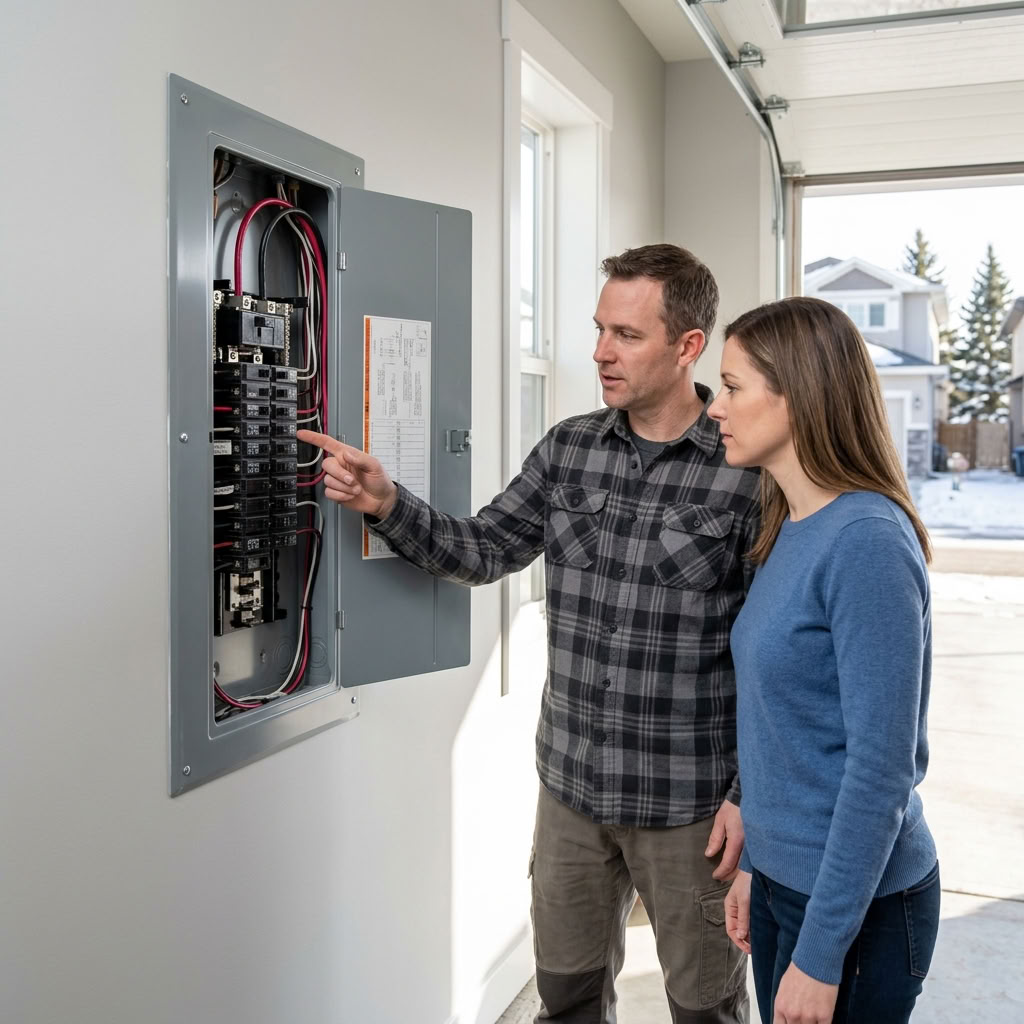
Your home’s electrical system is organized into individual circuits, each of which handles a specific area or set of devices. Every circuit runs from the main electrical panel, through the wiring in your walls, and back again. This loop allows electricity to flow and, just as importantly, allows it to stop flowing when something goes wrong.
The main electrical panel is the central hub of all of this. It houses the circuit breakers, each of which protects a single circuit by automatically shutting off power if the circuit draws more current than it can safely handle. A well-organized panel makes it much easier to troubleshoot problems, add new circuits, or safely shut off power to a specific area during repairs.
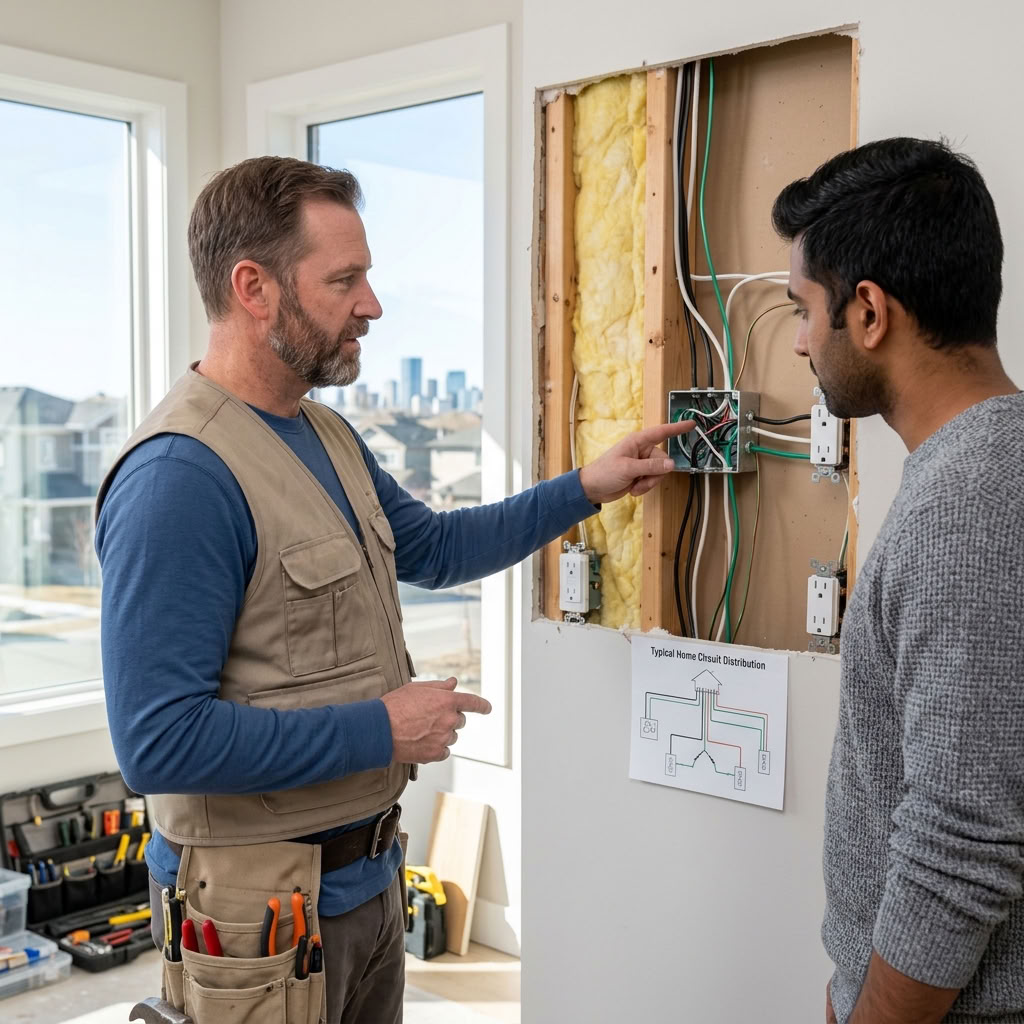
Load distribution across your panel matters too. If too many high-draw appliances share a circuit, that circuit becomes overloaded. This is why kitchens, bathrooms, and laundry areas typically have their own dedicated circuits. Older homes often were not designed with today’s electrical demands in mind, which is one reason why upgrading the panel or rewiring specific areas becomes necessary over time.
Signs of Faulty or Outdated Wiring in Your Home
Wiring problems do not always announce themselves loudly. Sometimes the signs are subtle and easy to dismiss. Knowing what to look for can help you catch issues before they become emergencies.
Flickering or Dimming Lights
Lights that flicker or dim unexpectedly are one of the most common signs of a loose connection somewhere in the circuit. It could be at the fixture itself, at an outlet, or further back in the wiring. If the flickering happens consistently when you turn on a particular appliance, it may also indicate that the circuit is being overloaded. Either way, the issue deserves attention from a licensed electrician rather than just a bulb swap.
Frequently Tripping Breakers
A breaker trips when a circuit draws more current than it is rated for. That is the safety mechanism doing its job. But if a breaker trips repeatedly for the same circuit under normal use, the problem is likely either an overloaded circuit that needs to be divided, or a wiring fault that is causing an unintended current draw. Resetting the breaker over and over without investigating the cause is not a fix. It is a delay.
Burning Smell or Discolored Outlets
A burning smell coming from an outlet, a switch, or anywhere near the electrical panel is a serious warning sign. The same goes for outlets or cover plates that appear scorched, brown, or discolored. These are signs that heat is being generated inside your walls, either from a loose connection, damaged insulation, or wiring that is carrying more load than it can handle. This is a fire risk and should be treated as an urgent situation requiring immediate professional assessment.
Outlets That Spark or Feel Warm
An outlet that produces a visible spark when you plug something in, or that feels warm to the touch, is not normal. A small, brief spark can occasionally happen as a device draws an initial surge of power, but persistent sparking or warmth indicates a fault in the outlet or its wiring. Do not continue using the outlet. Have it inspected right away. Warm outlets in particular often point to wiring issues that go beyond the outlet itself.
Is Your Calgary Home’s Wiring Up to Code?
Alberta follows the Canadian Electrical Code (CEC), which sets the minimum safety standards for all residential wiring installations. The code is updated regularly, and what was acceptable when your home was built may no longer meet current requirements.
Homes built before the 1980s are particularly likely to have wiring systems that fall short of today’s standards. This includes homes with aluminum wiring, two-prong ungrounded outlets, undersized service panels, or wiring without proper ground fault protection in bathrooms and kitchens. These are not just technical shortcomings. They are real safety gaps.
Calgary home electrical code compliance is especially relevant when you are buying an older property, completing a major renovation, or applying for permits on new work. In many cases, a renovation triggers a requirement to bring connected areas of the home up to current code, not just the new work itself. A professional electrical safety inspection is the clearest way to understand exactly where your home stands and what, if anything, needs to be addressed.
When Should You Rewire or Upgrade Your Home’s Electrical System?
There are several situations where rewiring or upgrading your electrical system becomes necessary, not just recommended. The most common trigger is a home renovation. If you are adding a kitchen, finishing a basement, or converting a garage, the existing wiring may not support the new loads or layout.
Adding new high-draw appliances is another common reason. Electric vehicle chargers, hot tubs, electric ranges, and large HVAC systems all require dedicated circuits, and if your panel is already at capacity, an upgrade is needed before any of that work can proceed safely.
Purchasing an older home in Calgary’s inner-city neighborhoods, such as Inglewood, Ramsay, or Killarney, often means inheriting wiring systems that are decades old. Before assuming everything is fine, having a full electrical assessment done gives you a clear picture of what you are working with and what may need to change. Electrical rewiring in Calgary does not always mean replacing every wire in the house. In many cases, targeted upgrades to specific circuits, panels, or areas are all that is needed to bring the system up to a safe and functional standard.
Can You Do Electrical Wiring Work Yourself in Alberta?
In Alberta, homeowners are permitted to do some electrical work on their own primary residence, but the rules come with significant limitations. Any work that goes beyond basic tasks like replacing an existing outlet or switch typically requires a permit and must pass inspection by a certified electrical inspector.
More importantly, the risk involved in DIY electrical wiring is real. Incorrect wiring can cause fires, electrical shocks, and damage that may not be visible until it is too late. It can also void your home insurance if a claim is related to unpermitted electrical work. The rules around DIY electrical work in Alberta exist to protect homeowners, not to inconvenience them.
For anything beyond very minor repairs, hiring a licensed and insured electrician is the right call. A licensed professional ensures the work is done to code, pulls the proper permits, and leaves you with documentation that protects your home’s value and your safety.
How a Licensed Electrician Approaches Residential Wiring
When a licensed electrician from Electrical Maintenance Services visits your home, the process starts with a thorough assessment. Rather than guessing at problems, a proper inspection involves checking the panel, tracing circuits, testing outlets, and identifying anything that does not meet current code or poses a safety concern.
From there, the technician walks you through what they found, explains the options available, and provides transparent pricing before any work begins. There are no surprises and no pressure. The goal is to give you the information you need to make a confident decision.
With over 15 years of industry experience and more than 150 satisfied customers across the Calgary area, the team brings practical, hands-on knowledge to every job. Whether the work involves repairing a faulty circuit, replacing old aluminum wiring connections, or upgrading a panel to support a home addition, the approach is always the same: safe, code-compliant work done right the first time.
How Much Does Residential Wiring Work Cost in Calgary?
The cost of residential electrical wiring work in Calgary varies depending on the scope of the project, the materials involved, and the amount of labor required. A simple circuit repair or outlet replacement will cost far less than a full rewiring or panel upgrade.
General cost factors include the size of your home, the age and condition of the existing wiring, whether permits are required, and the complexity of the work. For larger projects like rewiring a 1960s bungalow or adding multiple new circuits for a renovation, the cost reflects both the materials needed and the time required to do the job safely and correctly.
The best way to get an accurate number is to request a quote from a licensed Calgary electrician who can assess your specific situation. Electrical Maintenance Services provides transparent pricing from the start, so you know exactly what to expect before any work begins. Getting a quote costs nothing and gives you a clear starting point for planning any electrical project.
Frequently Asked Questions
What type of wiring is most common in Calgary homes?
The most common wiring type in Calgary homes built from the 1980s onward is NMB cable, also known as Romex. It is a plastic-jacketed cable used for most interior circuits including lighting, outlets, and general appliances. Older homes in Calgary may still have aluminum wiring or older armored cable, which may require inspection or remediation.
How do I know if my home has aluminum wiring and is it dangerous?
The most reliable way to find out is to have a licensed electrician inspect your panel and wiring. Visual signs can include silver-colored wires rather than copper-colored ones, or markings on the wire jacket that say “AL” or “aluminum.” Aluminum wiring is not automatically dangerous, but it does carry a higher risk of connection failures over time due to how the metal expands and contracts with heat. An aluminum wiring inspection in Calgary can determine whether your system needs remediation and what the safest approach would be.
What are the signs that my home’s electrical wiring needs to be replaced?
Key warning signs include frequently tripping breakers, flickering or dimming lights, burning smells near outlets or the panel, warm or discolored outlet covers, and sparking when you plug in devices. If your home is more than 40 years old and has never had a wiring assessment, that alone is a good reason to have it checked.
Can I legally do my own electrical wiring in Alberta?
Alberta allows homeowners to perform some electrical work on their own primary residence, but most work beyond basic replacements requires a permit and a formal inspection. Doing wiring work without the proper permits can affect your home insurance coverage and create safety risks. For anything significant, hiring a licensed electrician is the safer and more reliable option.
How long does it take to rewire a house in Calgary?
The timeline for rewiring a home depends on its size and the complexity of the existing system. A smaller home may take two to four days, while a larger property or one with significant existing issues could take a week or more. Your electrician can give you a realistic timeline after assessing the home.
What is the difference between rewiring and a panel upgrade?
Rewiring refers to replacing or updating the actual wires running through your home’s walls and circuits. A panel upgrade means replacing the main electrical panel with a newer unit that has more capacity, more circuit slots, or updated safety features. Sometimes both are needed together, and sometimes only one is necessary. The right choice depends on what your home currently has and what you need it to support going forward.
How often should residential wiring be inspected by a professional?
A general rule of thumb is to have your electrical system inspected every ten years for a home under 25 years old, and every five years for an older property. You should also schedule an inspection whenever you buy a home, plan a major renovation, notice any warning signs, or add high-draw appliances or systems like EV chargers or central air conditioning.