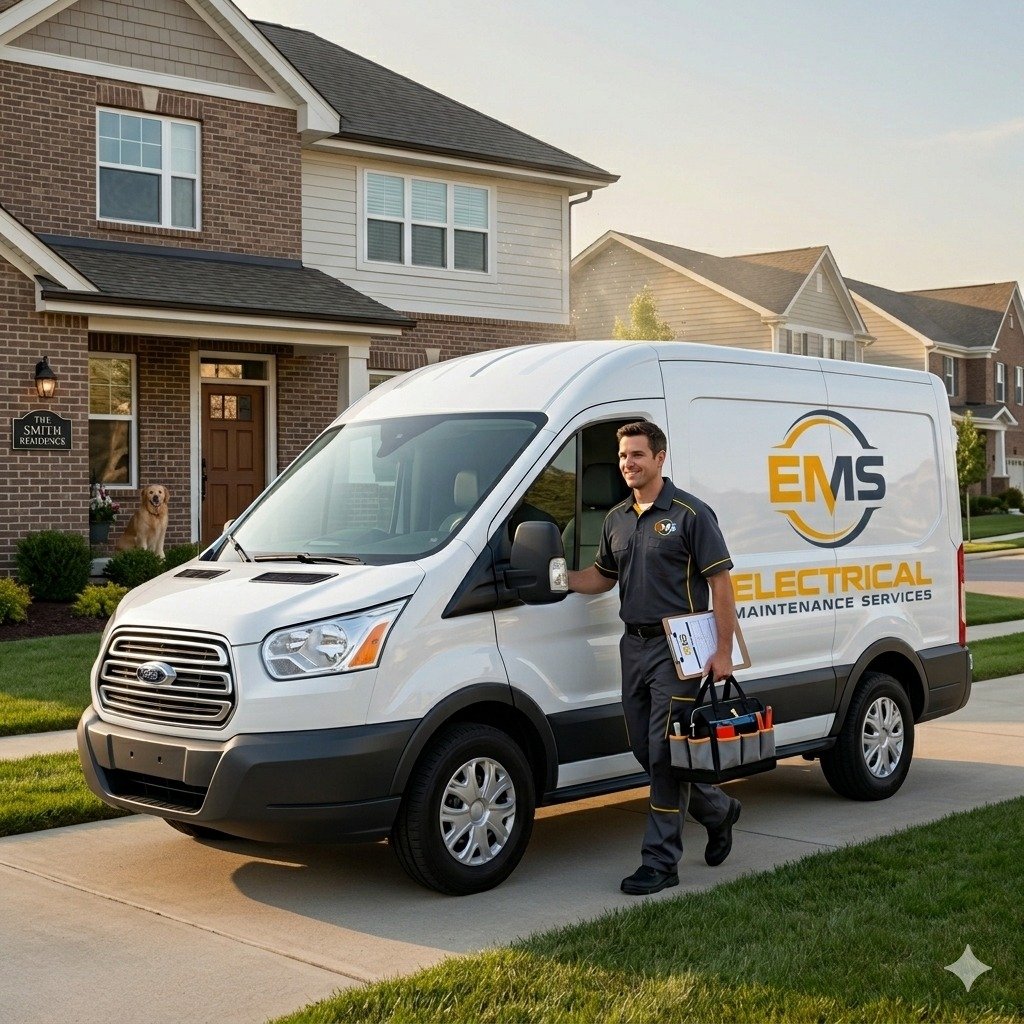
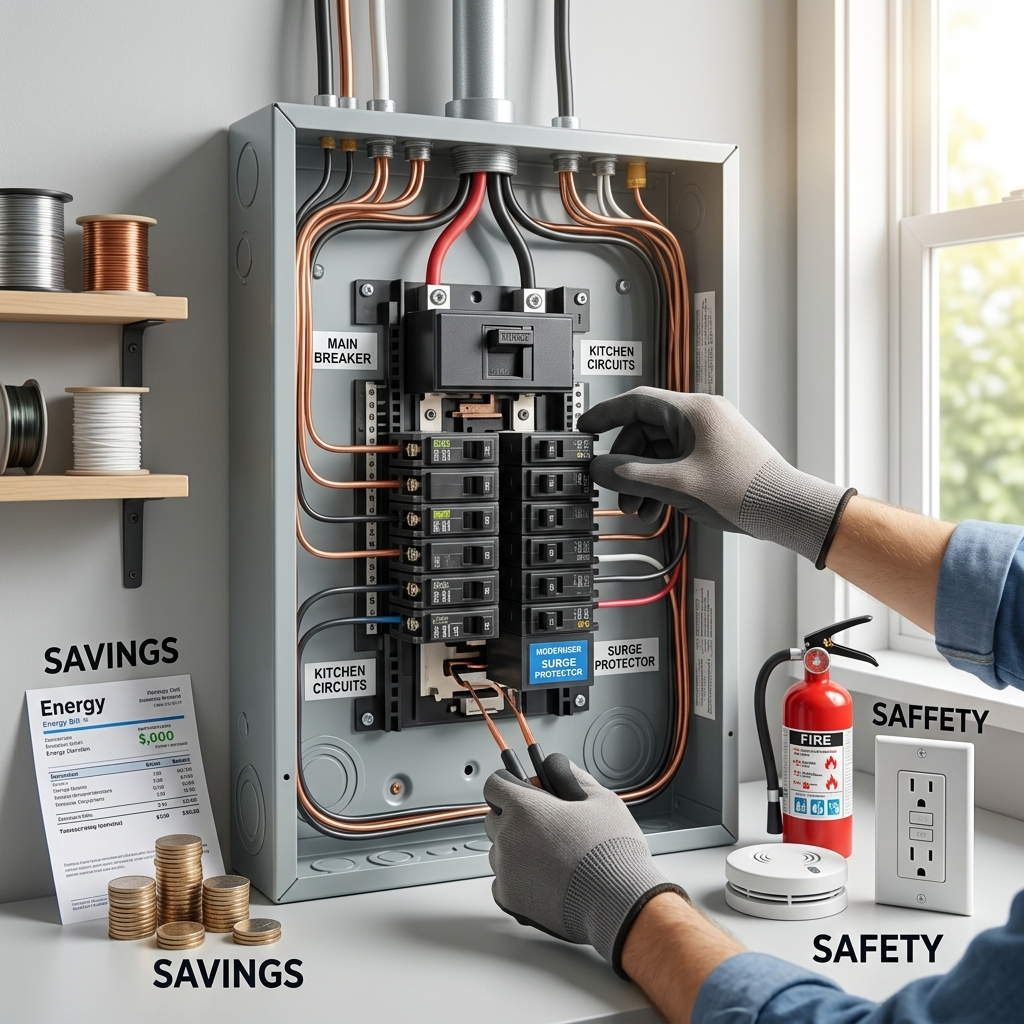
Electrical systems power everything in your home or business, yet they often go unnoticed until something goes wrong. When a circuit breaker trips repeatedly or an outlet stops working, the underlying issue might be more serious than it appears. Regular electrical maintenance catches these problems early, saving you from expensive emergency repairs and potentially dangerous situations. Professional inspections identify worn components, loose connections, and overloaded circuits before they lead to system failures or safety hazards. Property owners who invest in scheduled maintenance typically save 25-40% on overall electrical costs while protecting their buildings from fire risks and code violations.
What Is Preventive Electrical Maintenance?
Preventive electrical maintenance involves scheduled inspections and testing that identify potential issues before they turn into emergencies. Licensed electricians examine your electrical system systematically, looking for signs of wear, damage, or inefficiency that could compromise safety or performance. This proactive approach differs from reactive repairs that happen only after something breaks.
Standard maintenance tasks include tightening electrical connections, inspecting wiring for damage or deterioration, testing circuit breakers for proper operation, and conducting load testing to verify your system handles current demands safely. Technicians also check grounding systems, verify GFCI protection in required areas, and assess whether your electrical panel has adequate capacity for your needs. These routine checks take one to three hours depending on property size but provide comprehensive insights into system health.
How Does Regular Maintenance Reduce Long-Term Costs?
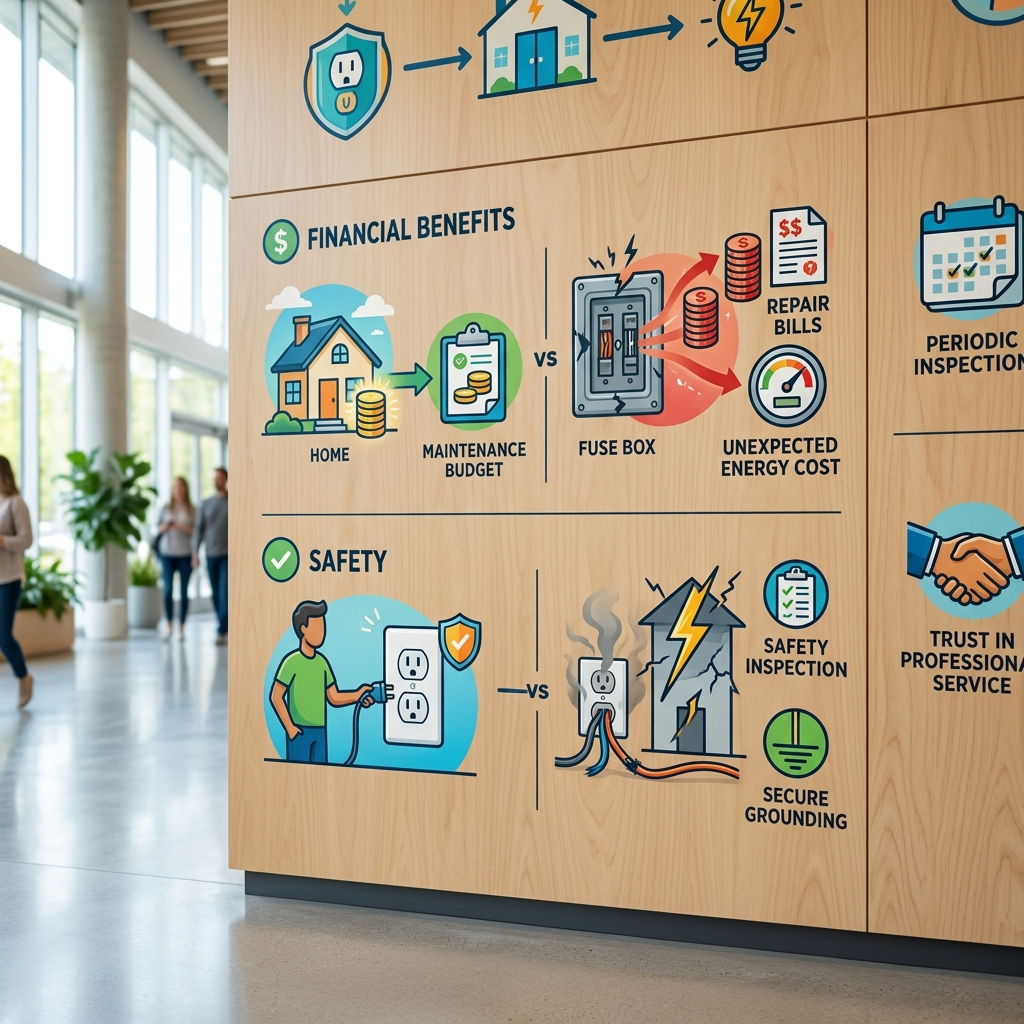
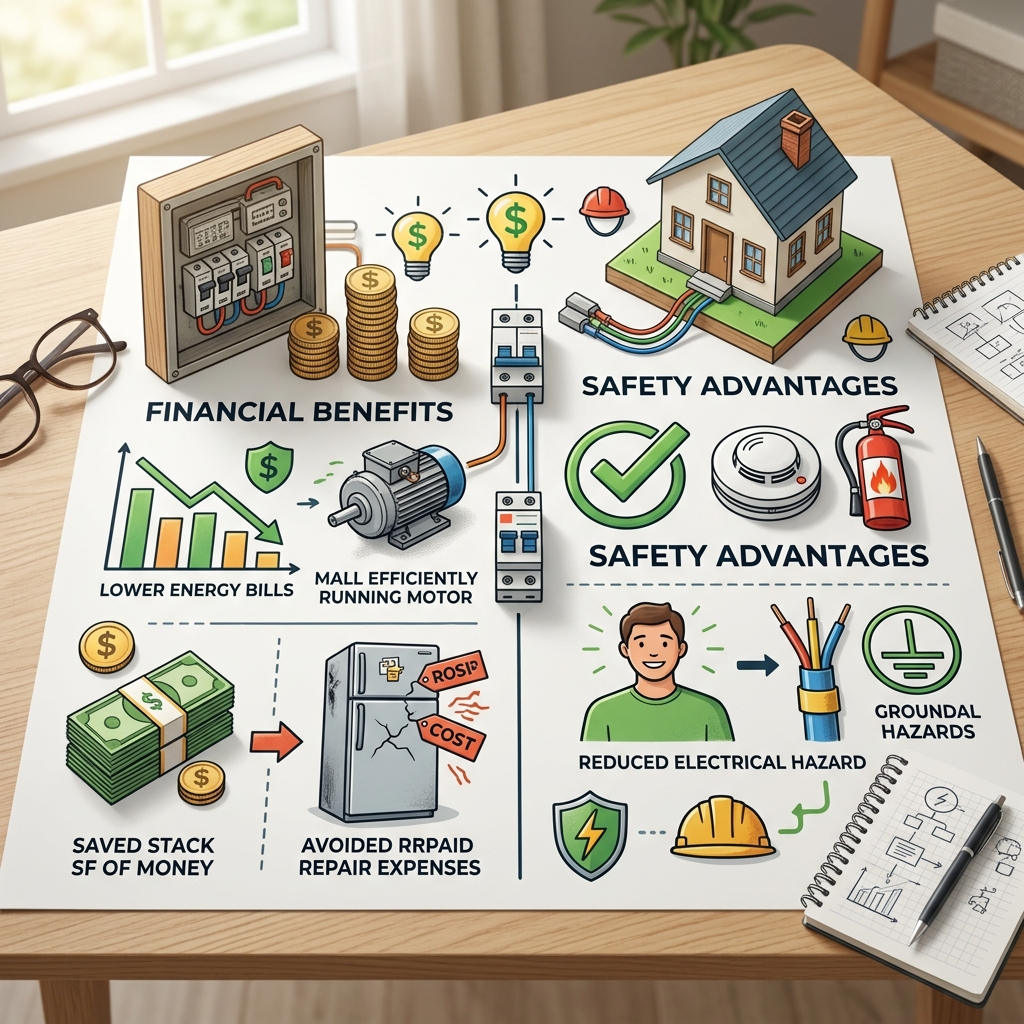
The financial benefits of preventive electrical maintenance become clear when you compare planned service costs against emergency repair expenses. A routine annual inspection typically costs $150-300 for residential properties, while emergency repairs often start at $500 and can reach several thousand dollars for major failures. Property owners who maintain their electrical systems consistently spend 25-40% less on electrical costs over time compared to those who only call electricians when problems occur.
Planned maintenance budgets remain predictable and manageable. You schedule service at convenient times, compare prices, and avoid the premium rates charged for after-hours emergency calls. When minor issues surface during routine inspections, repairs cost significantly less because problems haven’t escalated. A loose connection tightened during maintenance might cost nothing beyond the inspection fee, while that same loose connection left unaddressed could cause arcing that damages the panel and requires a $2,000 replacement.
Avoiding Expensive Emergency Repairs
Small electrical problems rarely stay small. A slightly loose wire connection generates heat over time, gradually degrading insulation and metal components. Eventually, that connection fails completely, often at the worst possible moment. What started as a five-minute repair during a scheduled visit becomes an emergency service call at 2 AM, with labor rates 1.5 to 2 times higher than standard calls.
Consider a commercial property where a deteriorating breaker went unnoticed. The breaker eventually failed during business hours, shutting down an entire section of the building. The emergency repair cost $1,800, including after-hours rates and rush parts delivery. Regular maintenance would have identified the failing breaker during testing, allowing replacement during normal business hours for approximately $400. The $300 annual inspection would have prevented a $1,800 emergency and avoided business disruption.
Extending Equipment and System Lifespan
Electrical panels typically last 25-40 years, but neglected panels often fail at 15-20 years. Regular maintenance adds years to electrical components by preventing the accelerated wear caused by loose connections, corrosion, and improper loading. Clean connections operate cooler, reducing thermal stress on wires and terminals. Properly maintained breakers trip reliably when needed, protecting downstream components from damage.
The return on investment for maintenance programs is substantial. A residential maintenance agreement costing $250 annually can extend a $3,000 electrical panel’s life by 10 years, representing $30,000 in delayed replacement costs over the panel’s extended lifespan. Commercial properties see even greater returns, as their larger electrical systems and more expensive components benefit proportionally more from extended service life. Lighting fixtures, switches, outlets, and wiring all last longer when maintained properly.
What Safety Hazards Does Regular Maintenance Prevent?
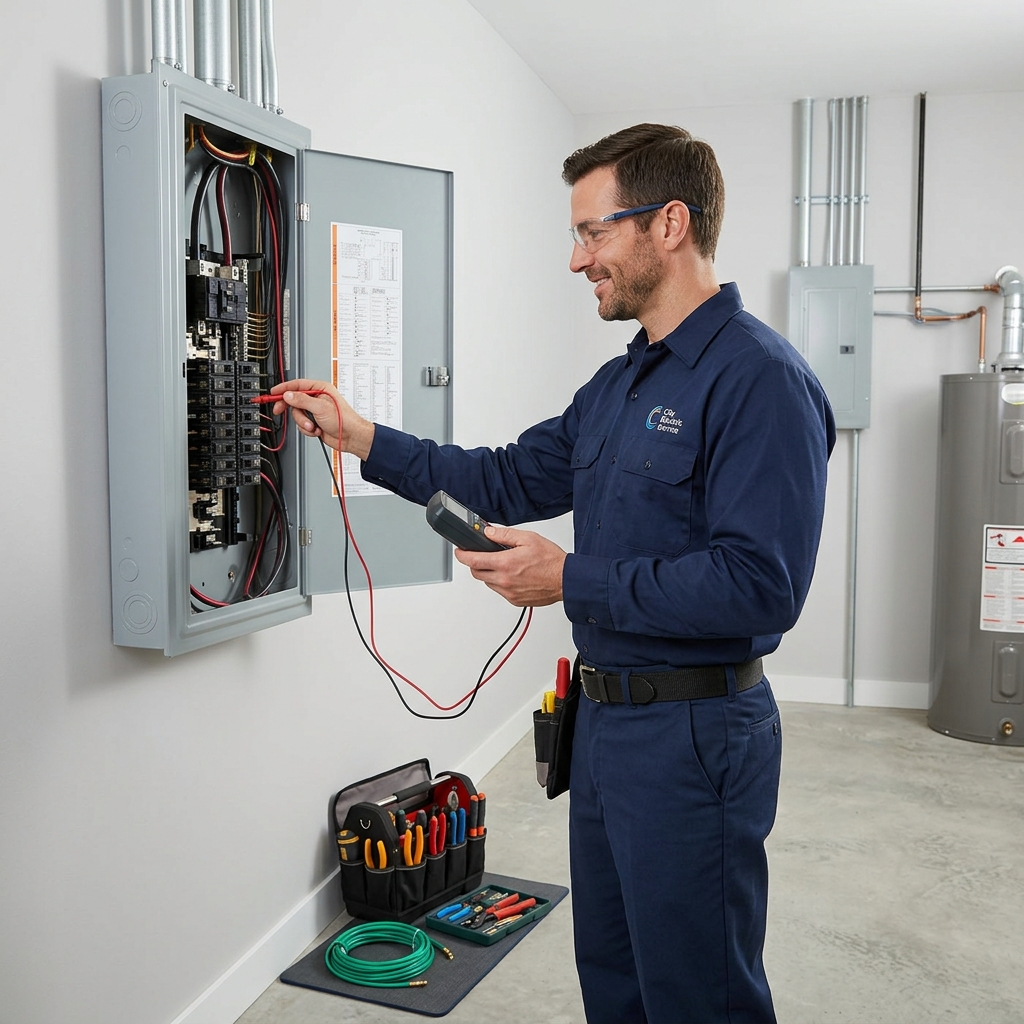
Electrical fires account for an estimated 51,000 home fires annually, causing hundreds of deaths and over $1.3 billion in property damage. Many of these fires start from preventable electrical problems that routine maintenance would have identified. Degraded wiring insulation, loose connections that create arcing, and overloaded circuits all generate heat that can ignite surrounding materials. Regular inspections catch these fire risks before they cause disasters.
Arc flash incidents in commercial settings pose serious dangers to workers and equipment. When electrical current jumps between conductors or from a conductor to ground, it creates an arc flash that releases intense heat and light. These events can cause severe burns, hearing damage, and eye injuries. Maintenance inspections identify warning signs like deteriorating insulation, corrosion, and improper installation that increase arc flash risk. Thermal imaging reveals hot spots invisible to the naked eye, showing where connections are failing.
Electrical heating systems require proper maintenance to prevent carbon monoxide risks. When electrical components in heating systems malfunction, they can interfere with combustion processes or ventilation, potentially leading to carbon monoxide buildup. Regular electrical maintenance verifies that all electrical components supporting heating systems function correctly, protecting occupants from this silent danger.
Identifying Hidden Electrical Problems
Many serious electrical issues hide behind walls or inside panels where you cannot see them. Licensed electricians use thermal imaging cameras during maintenance inspections to detect hot spots that indicate failing connections, overloaded circuits, or deteriorating components. These infrared images reveal temperature differences invisible to the naked eye but critical for safety. A connection operating 20-30 degrees hotter than surrounding components signals an impending failure.
Common hidden problems found during maintenance inspections in Calgary properties include aluminum wiring deterioration, federal panel defects, knob-and-tube wiring still in use, and improper DIY modifications. Cold Calgary winters stress electrical systems as heating loads increase, making proper connections and adequate capacity even more important. Moisture infiltration from snow and ice can corrode connections in exterior outlets and service entrances. Regular maintenance adapted to Calgary’s climate protects against these region-specific risks.
How Often Should You Schedule Electrical Maintenance?
Residential properties generally need electrical maintenance annually, though some situations call for more frequent inspections. Annual inspections suit most homes built within the last 30 years that have had no major electrical issues. Homes should move to bi-annual inspections if they are over 40 years old, have had electrical problems in the past year, use high-demand equipment like hot tubs or EV chargers, or have undergone major renovations.
Commercial property requirements depend on building size, age, and usage patterns. Small retail spaces and offices typically need annual inspections, while larger commercial buildings benefit from quarterly inspections of critical systems. Industrial facilities with heavy electrical loads often require monthly inspections of key equipment and quarterly comprehensive assessments. Properties with tenants or employees have additional responsibility to maintain safe electrical systems, making regular maintenance both a practical necessity and a legal obligation.
Factors requiring more frequent inspections include buildings constructed before 1980, properties with known electrical issues, facilities operating high-power equipment, buildings in areas prone to moisture or environmental stress, and any property that has experienced electrical problems recently. When you notice flickering lights, frequently tripping breakers, burning smells, or warm outlets, schedule an inspection immediately rather than waiting for your next planned maintenance.
What Does a Professional Electrical Maintenance Visit Include?
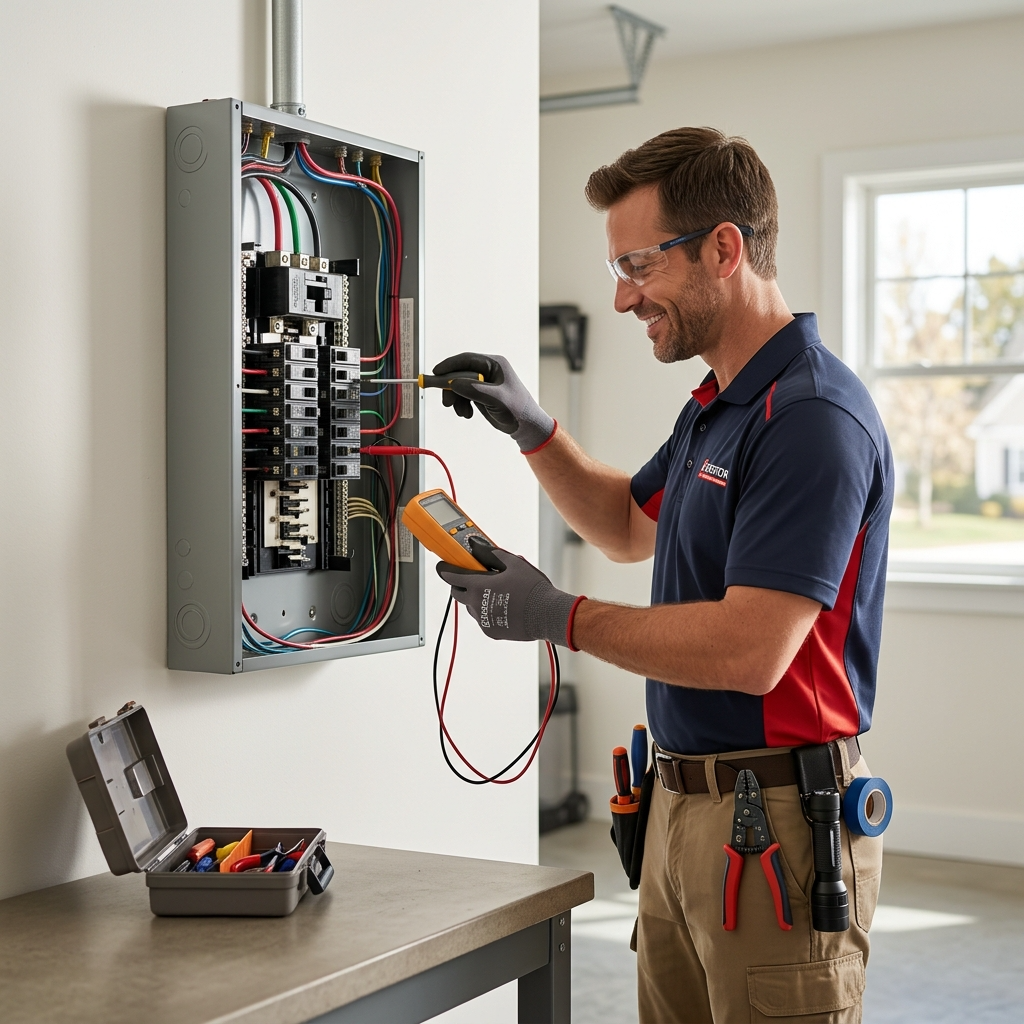
A comprehensive electrical maintenance inspection covers your entire electrical system from service entrance to individual outlets. Licensed electricians follow a systematic checklist that includes panel inspection, circuit breaker testing, outlet and switch verification, GFCI testing, grounding system checks, and wiring examination. This thorough approach ensures no component gets overlooked.
Professional electricians document their findings, providing detailed reports that help property owners track system health over time. These reports note any deficiencies, recommend repairs or upgrades, and create a maintenance history valuable for property sales, insurance purposes, and planning future improvements. Licensed electricians also assess code compliance, identifying outdated installations that may not meet current safety standards. While older installations may be grandfathered, knowing about code gaps helps you make informed decisions about upgrades.
Inspection of Electrical Panels and Breakers
Electrical panel inspection forms the core of maintenance visits. Technicians test each breaker for proper operation, checking that breakers trip at their rated amperage and reset correctly. They look for signs of overheating like discoloration, melted insulation, or burning smells. Panel capacity assessment determines whether your electrical service meets current demands or if you are approaching overload conditions.
Outdated panel types pose particular safety risks. Federal Pacific Electric panels manufactured between 1950 and 1980 have documented failure rates, with breakers sometimes not tripping during overload conditions. Zinsco panels have similar issues. Maintenance inspections identify these problematic panels, allowing property owners to plan replacements before failures occur. Aluminum bus bars, loose connections, and corrosion also surface during panel inspections.
Testing Outlets, Switches, and Fixtures
Every outlet and switch receives testing during comprehensive maintenance visits. Technicians verify proper grounding, check polarity to ensure hot and neutral wires connect correctly, and test GFCI outlets to confirm they trip and reset properly. These tests identify wiring errors that might not cause immediate problems but create shock hazards.
Loose connections in outlets and switches are common problems that maintenance catches early. Outlets become loose from repeated plug insertion, while internal connections loosen from thermal expansion and contraction. Worn components like outlets with damaged contacts or switches with burned contacts get flagged for replacement. These issues seem minor but can cause arcing that leads to electrical fires.
Can Regular Maintenance Improve Energy Efficiency?
Well-maintained electrical systems operate more efficiently, reducing energy waste and lowering utility bills. Clean, tight connections minimize resistance that wastes electricity as heat. When connections become loose or corroded, resistance increases, causing the electrical system to work harder to deliver the same power. This inefficiency shows up as higher energy bills and increased wear on components.
Maintenance inspections identify power-draining issues like phantom loads from devices drawing current while supposedly off, inefficient lighting that could be upgraded to LED, and motors running inefficiently due to poor connections or voltage drops. Licensed electricians can measure actual power consumption and compare it to expected values, revealing inefficiencies. Property owners typically save 10-15% on energy costs after addressing issues found during comprehensive electrical maintenance.
What Are the Risks of Skipping Electrical Maintenance?
Insurance companies increasingly scrutinize electrical system maintenance when processing claims. A fire caused by electrical problems may result in claim denial if the insurance company determines that lack of maintenance contributed to the incident. Some insurance policies explicitly require periodic electrical inspections for older properties or buildings with known electrical issues. Maintaining documentation of regular inspections protects your coverage.
Commercial property owners and landlords face legal liability concerns when electrical problems harm tenants or employees. Courts often consider whether property owners maintained electrical systems properly when determining negligence. Regular maintenance by licensed electricians demonstrates due diligence, providing legal protection should incidents occur. Some jurisdictions require landlords to conduct periodic electrical inspections and provide proof of compliance.
Electrical systems deteriorate progressively when neglected. A small problem grows into a larger one, which compounds into additional problems throughout the system. What starts as a single loose connection can lead to overheating that damages the breaker, which causes voltage fluctuations that harm sensitive electronics, eventually resulting in a panel failure that requires complete replacement. This cascade effect means that deferred maintenance often costs significantly more than timely repairs would have.
How to Choose the Right Maintenance Plan for Your Property?
One-time inspections work for specific situations like home purchases, after major weather events, or when you notice electrical problems. However, ongoing maintenance agreements provide better long-term value and protection. Annual agreements typically include scheduled inspections, priority service, and discounted repair rates. Many property owners find that maintenance agreements pay for themselves through repair discounts and the peace of mind from regular professional attention.
Choosing the right plan requires considering several factors. Property age matters significantly because older buildings need more frequent inspections and face higher risks of outdated components. Electrical load factors in as well, since properties with high power demands stress systems more and benefit from closer monitoring. Usage patterns also play a role. A vacation property used occasionally needs different maintenance than a constantly occupied home or busy commercial facility.
Working with Calgary-area electrical contractors who understand local code requirements offers distinct advantages. Calgary’s climate presents specific challenges including cold weather stress on systems, seasonal load variations from heating demands, and potential moisture problems from snow and ice. Local contractors familiar with common Calgary building types and typical electrical installations can spot region-specific issues more readily than contractors from other areas.
Residential Maintenance Considerations
Typical home inspections cover the electrical panel, all visible wiring, outlets and switches in each room, GFCI protection in bathrooms and kitchens, grounding system verification, and major appliance circuits. The inspection takes one to two hours for average homes. Annual inspections suit most homes, but your home needs more frequent attention if you notice lights dimming when appliances start, outlets or switches feel warm, breakers trip regularly, you smell burning odors, or your home is over 40 years old.
Commercial Property Maintenance Programs
Businesses require customized maintenance plans reflecting their specific operations and electrical demands. A small retail shop has different needs than a restaurant with heavy kitchen equipment or a manufacturing facility with industrial machinery. Licensed electricians assess your electrical load, operating hours, critical systems, and compliance requirements to design appropriate maintenance schedules.
Multi-family buildings and industrial facilities need comprehensive documentation for inspections, repairs, and system modifications. These records demonstrate compliance with electrical codes, satisfy insurance requirements, and provide valuable information during property sales or financing. Maintenance agreements for commercial properties typically include detailed reporting, tracking of all electrical assets, and planned replacement schedules for aging components.
Frequently Asked Questions
How much does regular electrical maintenance typically cost?
Residential electrical maintenance inspections typically cost $150-300 annually, depending on home size and electrical system complexity. Commercial property maintenance costs vary widely based on facility size and electrical demands, ranging from $300 for small businesses to several thousand dollars annually for large commercial or industrial facilities. Maintenance agreements often provide better value than individual inspection calls, including discounted repair rates and priority service that offset the agreement cost.
What warning signs indicate I need electrical maintenance sooner than scheduled?
Schedule immediate electrical maintenance if you notice frequent breaker trips, flickering or dimming lights, outlets or switches that feel warm to the touch, burning smells near electrical components, buzzing or crackling sounds from outlets or switches, visible sparking when plugging in devices, or discolored outlet covers. These symptoms indicate potentially serious problems that require professional attention before your next scheduled maintenance.
Is electrical maintenance required by building codes in Calgary?
Calgary building codes do not mandate regular electrical maintenance for most residential properties, though they require electrical systems to remain safe and functional. Commercial properties, rental properties, and buildings undergoing renovations must meet specific code requirements that often include electrical inspections. Insurance companies may require periodic inspections regardless of code requirements, particularly for older properties. Regular maintenance remains the best practice even when not legally mandated, protecting safety and property value.
Can I perform any electrical maintenance tasks myself safely?
Property owners can safely perform very limited electrical maintenance, including testing GFCI outlets using the test button, replacing light bulbs, and cleaning dust from accessible light fixtures. However, any maintenance involving electrical panels, wiring, outlets, switches, or circuits requires a licensed electrician. DIY electrical work risks serious injury, fire hazards, code violations, and insurance claim denials. Licensed electricians have the training, tools, and insurance to perform electrical maintenance safely and correctly.
How long does a comprehensive electrical maintenance inspection take?
Comprehensive residential electrical inspections typically take one to three hours depending on home size and system complexity. Small apartments might require only one hour, while large homes with multiple panels and extensive electrical systems may need three or more hours. Commercial property inspections take longer, from several hours for small businesses to multiple days for large facilities. Thorough inspections cannot be rushed, as proper testing and documentation take time.
Does regular maintenance help with insurance coverage and claims?
Regular electrical maintenance significantly strengthens your position with insurance companies. Documented maintenance history demonstrates responsible property ownership and may qualify you for insurance discounts. If electrical problems cause damage, maintenance records show you took reasonable steps to prevent issues, supporting claim approval. Some insurance policies require periodic electrical inspections for older properties, making maintenance necessary for maintaining coverage.
What’s the difference between a home inspection and electrical maintenance?
Home inspections conducted during property sales provide general assessments of overall property condition, including brief electrical system checks. These inspections identify obvious problems but are not comprehensive electrical evaluations. Electrical maintenance by licensed electricians involves detailed testing, thermal imaging, load analysis, and thorough examination of all electrical components. Maintenance inspections go much deeper than home inspections, uncovering hidden problems and providing actionable maintenance recommendations. A home inspection should not replace regular electrical maintenance.