Electrical safety hazards hide in plain sight throughout most homes, putting families at risk every single day. From outdated wiring to overloaded circuits, these dangers can lead to devastating fires, serious injuries, and costly property damage. The good news is that many common electrical safety hazards are preventable when you know what to look for and take action quickly. Understanding these risks and addressing them promptly protects your family and gives you peace of mind about your home’s electrical system.
Why Electrical Safety Should Be Your Top Priority
Electrical problems cause approximately 51,000 fires in residential properties each year across North America, resulting in nearly 500 deaths and over $1.3 billion in property damage. These statistics reveal a serious problem that many homeowners overlook until it’s too late. Electrical hazards don’t always announce themselves with obvious warning signs, which makes them particularly dangerous.
The risks associated with electrical hazards extend far beyond fire. Electric shock can cause severe injuries or death, even from seemingly minor problems like a faulty outlet. Property damage from electrical fires often destroys irreplaceable family memories and creates financial hardship. Many homeowners insurance policies may not cover damages resulting from deferred maintenance or code violations.
Proactive maintenance and regular inspections save lives and money. A professional electrical inspection can identify problems before they become emergencies. Most electrical fires are completely preventable with proper care and attention. When you prioritize electrical safety, you’re making an investment in your family’s wellbeing and your home’s long-term value.
Outdated or Overloaded Electrical Panels
Your electrical panel serves as the heart of your home’s electrical system, distributing power safely throughout every room. Many homes built before the 1990s have electrical panels designed for far lower power demands than modern households require. Today’s homes run multiple computers, large televisions, kitchen appliances, heating and cooling systems, and sometimes electric vehicle chargers that older panels simply can’t handle safely.
Outdated fuse boxes and early circuit breakers lack the safety features found in modern panels. Some older panels have known defects that create serious fire risks. Federal Pacific Electric panels and Zinsco panels, common in homes built between the 1950s and 1980s, have documented failure rates that put homes in danger. These panels may fail to trip during an overload, allowing wires to overheat and potentially ignite.
Modern electrical demands regularly exceed the capacity of panels rated for 60 or 100 amps. Most contemporary homes need at least 200-amp service to safely power all their systems and appliances. Adding new high-power devices like electric vehicle chargers, hot tubs, or central air conditioning to an outdated panel creates dangerous overload conditions.
A professional panel upgrade brings your electrical system up to current safety standards and provides capacity for future needs. Licensed electricians can evaluate whether your panel meets your home’s demands and recommend appropriate upgrades. This investment protects your home and increases its value while ensuring safe, reliable power for all your needs.
How to Recognize an Overloaded Circuit
Frequent circuit breaker trips indicate your electrical system is working overtime to protect your home. When a circuit carries more current than it’s designed to handle, the breaker trips to prevent overheating. If this happens regularly, especially when you use certain appliances, your circuits are overloaded and need professional attention.
Flickering or dimming lights when appliances run signal insufficient electrical capacity for your needs. This happens when a high-draw appliance on the same circuit causes voltage drops. You might notice lights dim when your air conditioner kicks on or your microwave runs. These symptoms suggest your circuits need redistribution or your panel needs upgrading.
Burning smells or discolored outlets are serious warning signs that demand immediate action. The smell indicates overheating wires or components inside your walls or panel. Discolored or blackened outlets show signs of arcing or excessive heat. Never ignore these symptoms as they indicate active fire hazards.
Warm or hot electrical panels indicate dangerous conditions developing inside the panel box. While panels may feel slightly warm during heavy use, they should never feel hot to the touch. A hot panel suggests loose connections, overloaded circuits, or failing components that could lead to fire.
Faulty or Damaged Wiring
Wire deterioration occurs naturally over time as insulation breaks down from heat, age, and environmental factors. Older wiring materials and methods don’t meet modern safety standards. Homes built more than 40 years ago may have wiring that’s reached the end of its safe service life. Regular exposure to heat from normal electrical loads gradually degrades insulation, increasing the risk of short circuits and fires.
Aluminum wiring, common in homes built between 1965 and 1973, poses specific safety concerns. This wiring type expands and contracts more than copper when it heats and cools. Over time, this movement can loosen connections, creating high-resistance points that generate heat and potentially cause fires. Aluminum wiring isn’t inherently unsafe, but it requires special connections and regular inspection.
Rodent damage to electrical wiring creates immediate and serious hazards. Mice and rats often chew through wire insulation while nesting in walls, attics, and crawl spaces. Exposed wires can short circuit, spark, and ignite surrounding materials. Rodent damage is particularly common in seasonal homes, garages, and areas with easy attic access.
DIY electrical repairs often create more problems than they solve. Well-meaning homeowners may use incorrect wire sizes, make improper connections, or violate electrical codes without realizing it. These mistakes can remain hidden for years until they cause a failure or fire. Professional electricians have the training and experience to make repairs that last and keep your home safe.
Warning Signs of Damaged Wiring
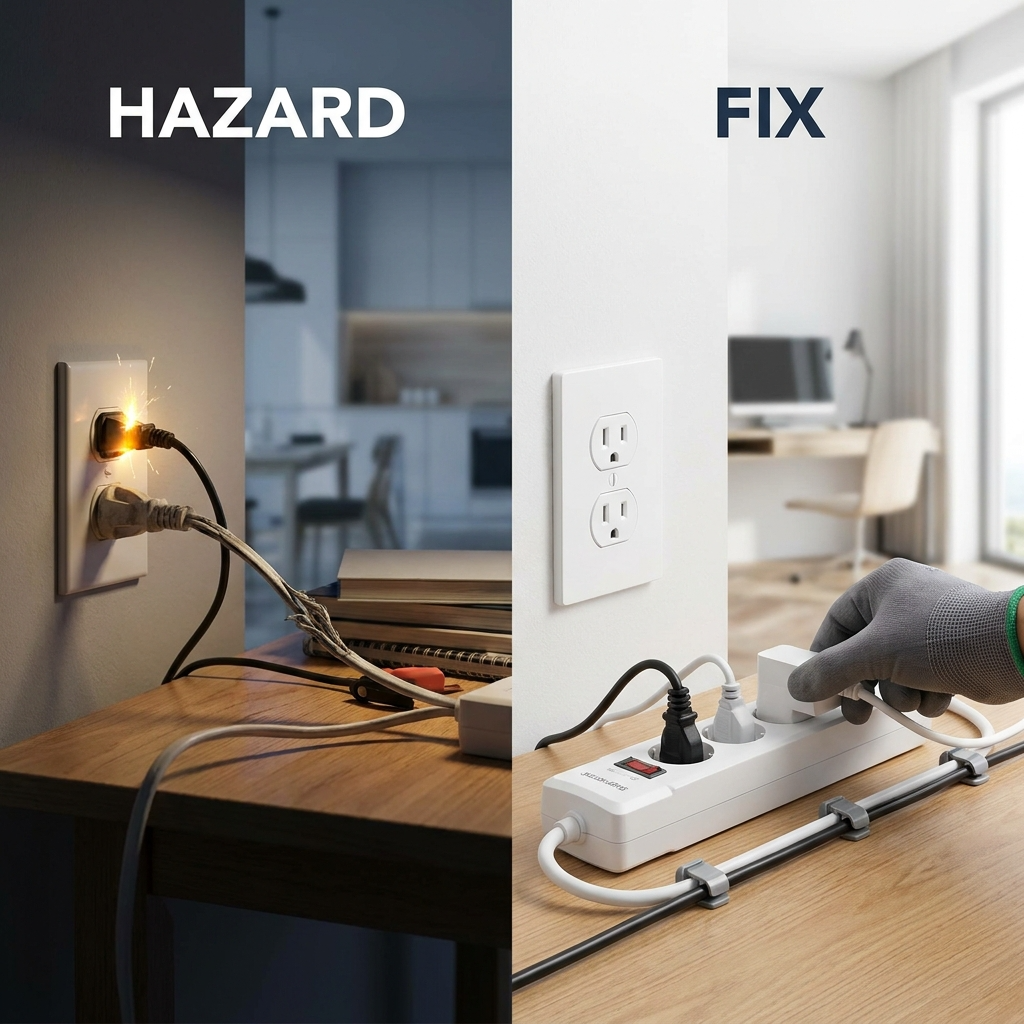
Sparking outlets or switches indicate loose connections or short circuits inside the electrical box. You might see a brief flash when plugging something in or flipping a switch. While a tiny spark can be normal when breaking a connection, regular or large sparks signal dangerous conditions that need immediate repair.
Buzzing sounds from electrical fixtures suggest loose connections or failing components. Electrical current flowing through loose connections creates vibrations you can hear as humming or buzzing. This sound often indicates resistance and heat buildup that can damage components or start fires. Any fixture that makes unusual sounds needs professional inspection.
Scorch marks around outlets tell you that dangerous heat or arcing has occurred. These brown or black marks appear on outlet covers or the surrounding wall. They indicate past overheating events that could repeat or worsen. Outlets with scorch marks should be inspected and replaced by a licensed electrician.
Persistent electrical odors, especially burning plastic or fish-like smells, indicate overheating wires or components. These odors come from melting wire insulation or overheating electrical devices. The smell may be stronger near specific outlets or at your electrical panel. Never ignore electrical odors as they often precede electrical fires.
Overloaded Extension Cords and Power Strips

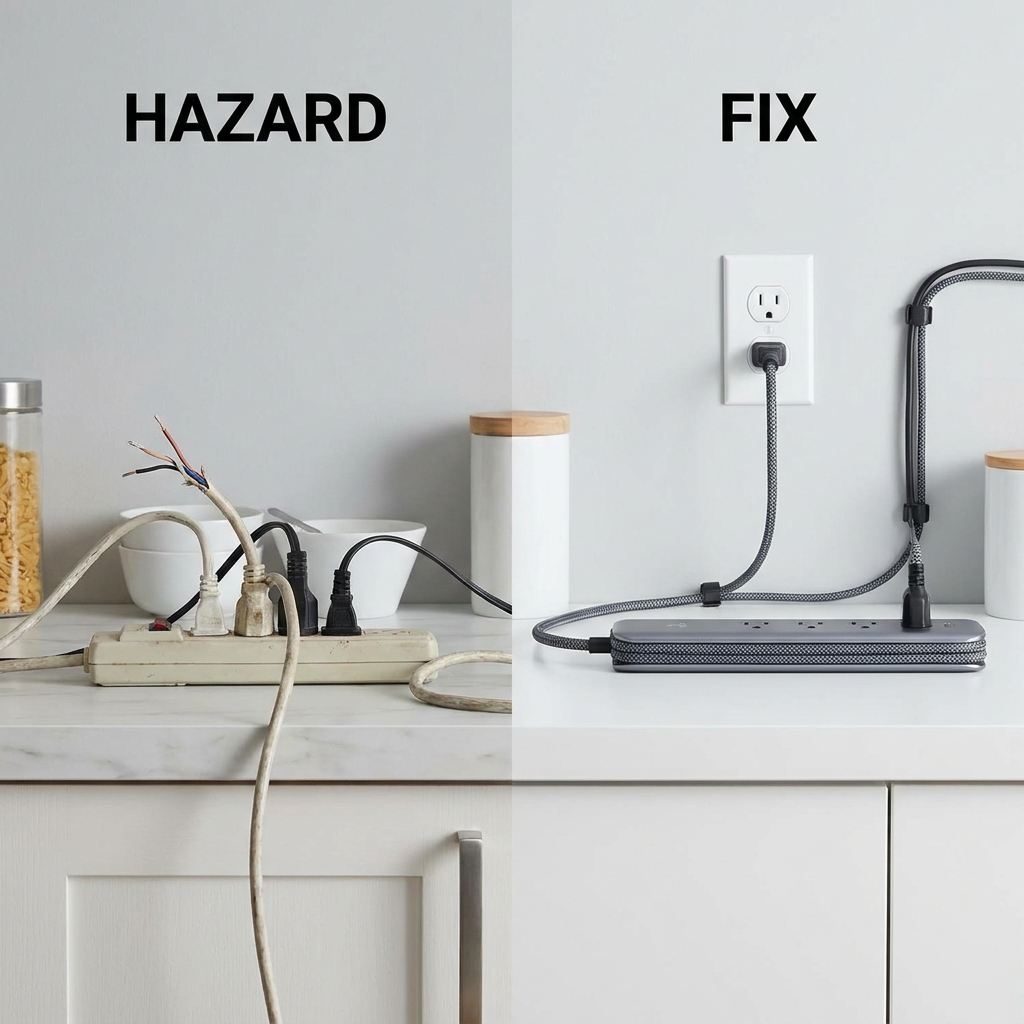
Extension cords are temporary solutions designed for short-term, portable power needs. They’re not built to handle the continuous loads that permanent wiring supports. Using extension cords as permanent wiring substitutes creates several dangers. The cords lack the protection of in-wall wiring, they’re more easily damaged, and they often carry loads beyond their rating.
Daisy-chaining power strips, where you plug one power strip into another, dramatically increases fire risk. Each connection point adds resistance and potential failure points. When you string multiple power strips together, you bypass the circuit protection that limits total load. This practice can overload the circuit and cause the cord insulation to melt or ignite.
Extension cords and power strips have specific amperage limits that should never be exceeded. Most household extension cords are rated for 10 to 15 amps. The combined draw of all devices plugged into the cord must stay below this limit. High-power devices like space heaters, window air conditioners, and power tools can easily exceed these limits when combined with other devices.
Safe alternatives to extension cord dependency include installing additional outlets where you need them. A licensed electrician can add properly wired outlets in convenient locations. For temporary needs, choose the right extension cord for the job, use it only briefly, and unplug it when not in use. Consider where your power needs are highest and plan permanent solutions.
Best Practices for Using Power Strips Safely
Never plug high-wattage appliances into power strips or extension cords. Space heaters, window air conditioners, refrigerators, microwaves, and other heat-generating or motor-driven appliances should plug directly into wall outlets. These devices draw sustained high currents that can overheat power strips not designed for such loads.
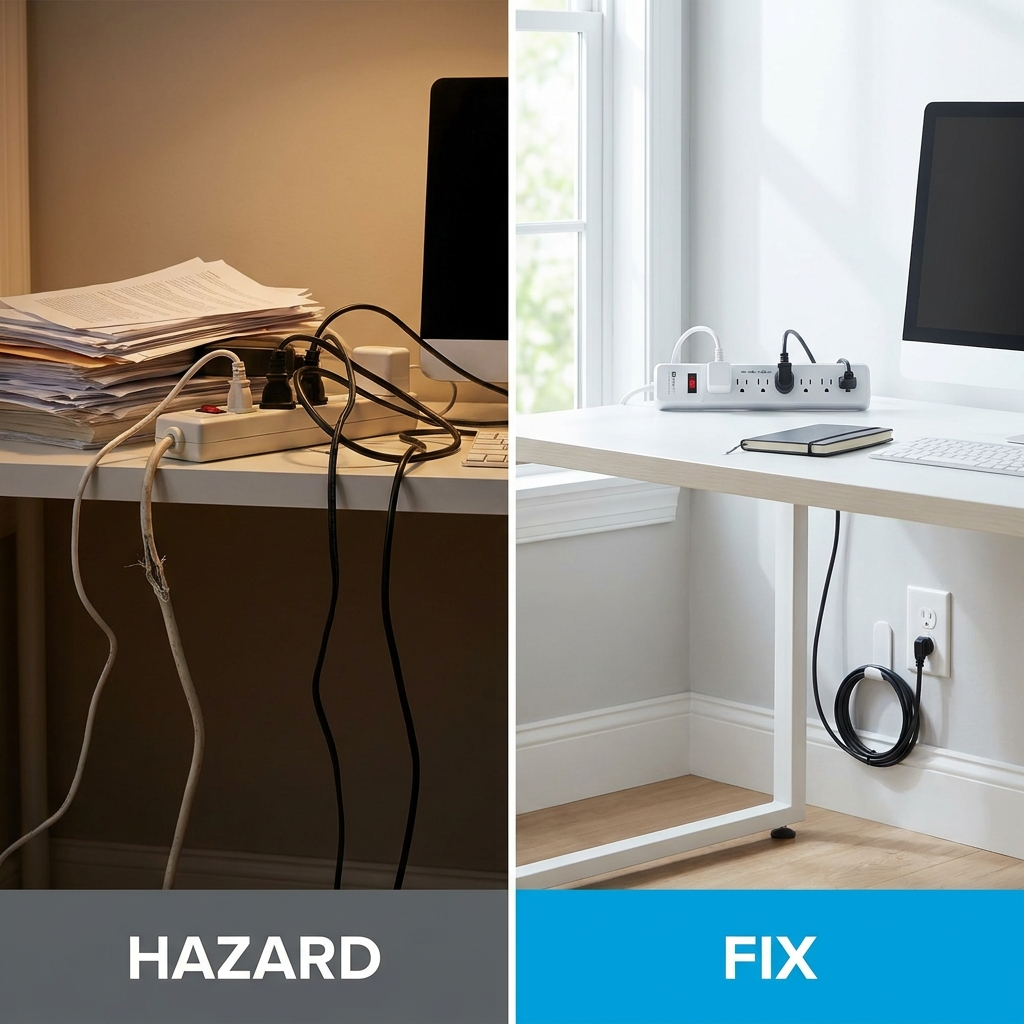
Avoid running cords under rugs, furniture, or through doorways where they can be damaged. Pressure from foot traffic or furniture can break down insulation and damage internal wires. Cords under rugs can’t dissipate heat properly and may overheat. Door closures can pinch and damage cords over time. Always route cords along walls or baseboards where they’re protected.
Replace frayed or damaged cords immediately rather than trying to repair them with tape. Damaged cords pose shock and fire hazards. Even small cracks in insulation expose conductors and create dangerous conditions. Electrical tape doesn’t restore the protective qualities of original insulation. When a cord shows wear, throw it away and buy a new one.
Use surge protectors for sensitive electronics like computers, televisions, and audio equipment. Surge protectors guard against voltage spikes that can damage expensive devices. However, surge protectors are not substitutes for proper circuit design. They have the same limitations as regular power strips regarding total amperage. Always check the joule rating and replacement indicators on your surge protectors.
Improperly Installed or Malfunctioning GFCI Outlets
GFCI outlets protect people from electric shock by detecting ground faults and shutting off power in milliseconds. A ground fault happens when electrical current finds an unintended path to ground, often through a person’s body. GFCI protection is important anywhere water and electricity might come into contact. These outlets save dozens of lives each year.
Required locations for GFCI protection in modern homes include all areas where moisture is present. Building codes mandate GFCI outlets in these locations to prevent electrocution. Any outlet within six feet of a water source needs GFCI protection. Even in older homes not built to current codes, adding GFCI protection in these areas is a smart safety upgrade.
GFCI outlets can fail or trip repeatedly for several reasons. Moisture in the outlet box, damaged internal components, or actual ground faults in connected devices can cause tripping. Sometimes GFCI outlets wear out after years of use. A GFCI that trips without apparent cause needs professional diagnosis. The problem might be the outlet itself or something connected to the circuit.
Testing your GFCI outlets monthly ensures they’re working properly. Each GFCI has test and reset buttons on its face. Press the test button and the reset button should pop out, cutting power to the outlet. Press reset to restore power. If the outlet doesn’t trip or won’t reset, it needs replacement. This simple test takes seconds and confirms your protection is working.
Where GFCI Outlets Are Required by Code
Bathrooms and kitchens must have GFCI protection on all outlets due to the high risk of water contact. Bathroom outlets can be splashed during showers or hand washing. Kitchen outlets near sinks face similar risks. Modern electrical codes require GFCI protection for all these outlets without exception.
Outdoor outlets and garage spaces need GFCI protection because of exposure to moisture and weather. Rain, snow, humidity, and ground moisture create electrical hazards outdoors. Garages often have concrete floors that conduct electricity well. Any outdoor or garage outlet should have GFCI protection to prevent shock hazards.
Areas near water sources like laundry rooms, wet bars, and utility sinks require GFCI outlets. Any location where water is regularly used for cleaning, washing, or other purposes needs this protection. The combination of water and electricity creates shock risks that GFCI outlets eliminate.
Basement and crawl space outlets should have GFCI protection due to moisture and damp conditions. Even dry basements can experience occasional water intrusion. Crawl spaces often have high humidity. These conditions increase electrical risks that GFCI outlets address effectively.
Water and Moisture Near Electrical Systems
The deadly combination of water and electricity cannot be overstated. Water conducts electricity extremely well, providing an easy path for current to flow through anyone who contacts both water and an electrical source. Even small amounts of moisture can create shock hazards. Wet hands, damp floors, or humid conditions all increase risk when working with electrical devices.
Common moisture problems in basements and crawl spaces create ongoing electrical hazards. Ground water seepage, condensation, and poor ventilation lead to damp conditions. Electrical panels, outlets, and fixtures in these areas face constant exposure to moisture. Over time, humidity corrodes connections and creates dangerous conditions. Proper moisture control and weatherproof electrical components are necessary for these spaces.
Using electrical devices near sinks, tubs, and pools requires extreme caution. Hair dryers, radios, phone chargers, and other devices should never be used where they could fall into water. Even battery-powered devices can be dangerous if they’re plugged in while near water. The distance between electrical devices and water sources can mean the difference between safety and tragedy.
Proper outdoor electrical installation standards protect against weather-related hazards. Outdoor outlets need weatherproof covers that seal when devices are plugged in. Outdoor circuits should be protected by GFCI outlets. Proper installation height keeps outlets above snow level and potential flooding. Underground wiring must be buried at code-required depths to prevent damage.
Protecting Outdoor Electrical Systems
Using weather-resistant outlet covers keeps moisture out of outdoor electrical boxes. These covers have gaskets that seal around plugs when devices are connected. In-use covers allow you to keep outdoor devices plugged in while maintaining weather protection. Standard outdoor covers only protect outlets when nothing is plugged in, leaving them vulnerable during use.
Ensuring proper grounding for outdoor circuits provides essential protection against shock and electrical faults. Outdoor electrical systems face more risks from moisture, physical damage, and weather exposure. Proper grounding gives fault current a safe path and ensures circuit protection devices work correctly. Licensed electricians verify grounding meets code requirements during installation.
Maintaining safe distances from sprinkler systems prevents water from reaching electrical components. Sprinkler spray patterns should not include outdoor outlets, light fixtures, or electrical panels. Water hitting electrical components creates immediate shock hazards. Plan sprinkler zones to avoid electrical installations or relocate electrical components away from irrigation.
Regular inspection of outdoor lighting fixtures catches problems before they become hazards. Look for cracked lenses, loose fixtures, corroded connections, and moisture inside light housings. Outdoor fixtures need proper sealing to keep water out. Replace damaged fixtures promptly and ensure new installations use fixtures rated for wet or damp locations as appropriate.
DIY Electrical Work and Unlicensed Repairs
Electrical work requires professional expertise and licensing for good reasons. Licensed electricians complete years of training and apprenticeship before working independently. They understand electrical theory, code requirements, and safety practices that protect lives and property. This knowledge prevents the dangerous mistakes that untrained individuals commonly make.
Legal and insurance implications of unpermitted electrical work create serious problems for homeowners. Most jurisdictions require permits for electrical work and inspections to verify code compliance. Work done without permits can void your homeowner’s insurance coverage. If an unpermitted electrical repair causes a fire, your insurance company may deny your claim. When selling your home, unpermitted work must be disclosed and can complicate or prevent sales.
Common DIY mistakes create serious hazards that may remain hidden for years. Using incorrect wire sizes, making poor connections, installing wrong circuit breakers, and violating code requirements all happen regularly in DIY electrical work. These mistakes cause fires, shocks, and equipment damage. Even if DIY work seems to function correctly, hidden problems may exist that will fail in dangerous ways.
The value of hiring experienced, licensed electricians goes beyond safety. Professional electricians complete work efficiently, guarantee their repairs, and ensure code compliance. They carry insurance that protects you from liability. The peace of mind and safety that professional electrical work provides far outweighs any perceived savings from DIY attempts. With over 15 years of experience, licensed professionals bring knowledge that prevents costly mistakes.
When to Always Call a Professional Electrician
Any work involving your main electrical panel requires professional expertise. Panel work carries high risks of serious shock or electrocution. Even with the main breaker off, parts of the panel remain energized. Installing breakers, adding circuits, or upgrading panels involves complex calculations and code requirements that only licensed electricians should handle.
Installing new circuits or outlets involves running wire through walls, making proper connections, and ensuring adequate circuit capacity. This work requires understanding load calculations, proper wire sizing, and connection methods. Mistakes can overload circuits or create fire hazards. Professional installation ensures outlets and circuits meet code and function safely.
Troubleshooting recurring electrical problems requires diagnostic skills and specialized equipment. When circuits trip repeatedly, lights flicker without obvious cause, or outlets fail, the underlying problem may be complex. Licensed electricians use testing equipment to pinpoint issues that aren’t visible. They fix the root cause rather than just treating symptoms.
Upgrading electrical systems for new appliances or EV chargers demands professional planning and installation. High-power devices may require dedicated circuits, panel upgrades, or service increases. EV chargers in particular need careful planning for location, circuit protection, and load management. Professional electricians ensure these installations meet code and function reliably.
Old or Incompatible Light Fixtures
Using bulbs with wattage higher than fixture ratings creates dangerous heat buildup. Every light fixture has a maximum wattage rating stamped on the socket or label. This rating reflects how much heat the fixture can safely dissipate. Exceeding this rating can melt wire insulation, damage the fixture, and ignite nearby materials. Always check fixture ratings before installing bulbs.
Outdated light fixtures with damaged sockets pose fire and shock risks. Socket contacts can corrode or loosen over time, creating poor connections that generate heat. Cracked or damaged sockets may expose live electrical parts. Old fixtures may use outdated wiring methods or materials that no longer meet safety standards. Replacing old fixtures improves both safety and lighting quality.
Heat buildup in enclosed fixtures accelerates bulb failure and creates fire risks. Recessed ceiling lights, enclosed porch lights, and covered indoor fixtures trap heat. This heat can damage both the bulb and fixture components. Using bulbs rated for enclosed fixtures helps, but proper fixture design and ventilation are important for safe operation.
Upgrading to energy-efficient LED lighting reduces heat generation and energy costs. LED bulbs produce far less heat than incandescent or halogen bulbs while using a fraction of the electricity. This makes them safer for enclosed fixtures and reduces cooling costs. When upgrading, ensure LED bulbs are compatible with any dimmer switches and that fixtures can accommodate the bulb shape.
Missing or Non-Functioning Smoke Detectors
Interconnected smoke detectors provide the fastest possible warning when fire breaks out. When one detector senses smoke, all connected detectors sound their alarms. This simultaneous alert gives everyone in the home the maximum time to escape. Battery-operated detectors only sound at their individual location, which may not wake sleeping family members in distant rooms.
Proper placement throughout your home ensures smoke detectors can do their job. Install detectors on every level of your home, including the basement. Place detectors inside each bedroom and in hallways outside sleeping areas. For best protection, install detectors in living areas and near kitchens, but not so close that cooking sets them off regularly. Mount ceiling detectors at least four inches from walls, and wall detectors four to twelve inches below the ceiling.
Testing frequency and battery replacement schedules keep smoke detectors ready to protect your family. Test all smoke detectors monthly by pressing the test button. Replace batteries in battery-operated detectors at least annually, or whenever the low-battery chirp begins. Replace entire smoke detector units every 10 years, as sensors degrade over time and become less reliable.
Upgrading to hardwired smoke detector systems provides superior protection and reliability. Hardwired detectors connect to your home’s electrical system with battery backup. They automatically interconnect, ensuring all detectors sound together. Battery backup keeps them working during power outages. Professional installation ensures proper placement and function for maximum safety.
How to Prevent Electrical Hazards Before They Become Emergencies
Scheduling annual electrical safety inspections catches developing problems early. A licensed electrician examines your entire electrical system, testing components and connections for safety. These inspections identify code violations, worn components, and potential failures before they cause emergencies. Annual inspections are particularly important for older homes or after you’ve added new high-power appliances.
Creating a home electrical maintenance checklist helps you stay on top of routine safety tasks. Your checklist should include monthly GFCI and smoke detector testing, visual inspection of outlets and cords for damage, checking for warm outlets or switches, and listening for unusual sounds from electrical fixtures. Note any flickering lights, frequently tripping breakers, or other anomalies for professional evaluation.
Teaching family members basic electrical safety rules protects everyone. Children should learn never to insert objects into outlets, keep electrical devices away from water, and tell adults about any electrical problems they notice. Everyone should know how to shut off power at the main panel in an emergency. Make sure family members understand that electrical safety is never something to handle alone.
Knowing when to call for emergency electrical service can prevent tragedy. Some electrical problems demand immediate professional attention. Emergency electrical services are available 24/7 for situations that pose immediate danger. Never hesitate to call for emergency help when you face serious electrical hazards. Safety always takes priority over cost concerns.
Signs You Need Immediate Professional Help
Any signs of electrical fire or burning smells require immediate action. Shut off power at the main panel if you can do so safely. Evacuate everyone from the home and call emergency services. Even if you don’t see flames, burning smells indicate dangerous overheating. After the emergency is resolved, have a licensed electrician inspect and repair the system before restoring power.
Repeated circuit breaker trips indicate a serious underlying problem that needs professional diagnosis. While a single trip might result from a temporary overload, repeated trips signal overloaded circuits, short circuits, or failing breakers. These conditions create fire risks that worsen over time. Professional electricians identify the cause and make necessary repairs or upgrades.
Electrical shocks from appliances or outlets indicate dangerous ground faults or wiring problems. Even mild shocks suggest serious electrical issues. Any shock from an appliance means the appliance or its circuit has a dangerous fault. Shocks from outlets indicate wiring problems that could cause electrocution. Professional inspection and repair are necessary before using affected outlets or appliances.
Complete power loss in parts of your home can indicate several serious problems. While a tripped breaker might be simple to reset, power loss that doesn’t respond to breaker reset indicates bigger issues. Damaged wiring, failed breakers, or panel problems require professional diagnosis and repair. Never attempt to diagnose panel problems yourself as working inside electrical panels carries extreme shock risks.
Frequently Asked Questions
What is the most common cause of electrical fires in homes?
Electrical distribution and lighting equipment causes about 33% of home electrical fires. This includes problems with electrical panels, wiring, outlets, switches, and light fixtures. Faulty or outdated wiring ranks as the single biggest contributor. Other major causes include extension cord and power strip misuse, and malfunctioning appliances. Many of these fires are preventable with proper maintenance and professional inspections.
How often should I have my home’s electrical system inspected?
Homes should have professional electrical inspections at least every three to five years. Older homes built before 1980 benefit from more frequent inspections every one to two years. You should also schedule inspections when buying a home, after major renovations, when adding high-power appliances, or if you notice any electrical problems. Regular inspections identify hazards before they cause emergencies and keep your system compliant with safety standards.
Can I replace an outlet myself or do I need a licensed electrician?
Replacing an outlet requires electrical knowledge, proper tools, and understanding of local codes. While some handy homeowners can safely replace outlets, mistakes create serious fire and shock hazards. Licensed electricians ensure connections are correct, the outlet matches circuit requirements, and installation meets code. Many jurisdictions require permits and inspections for outlet work. Professional installation provides safety guarantees and ensures proper function.
What should I do if I smell burning plastic near an outlet?
Burning plastic smells near outlets indicate dangerous overheating that requires immediate action. First, unplug anything connected to the outlet and stop using it immediately. Turn off the circuit breaker that controls that outlet if you know which one it is. Do not try to diagnose or repair the outlet yourself. Contact a licensed electrician right away for emergency service. This situation can quickly lead to electrical fire if not addressed professionally.
Are old homes more likely to have electrical safety hazards?
Older homes face higher electrical safety risks for several reasons. They often have outdated wiring systems not designed for modern electrical loads. Insulation on old wiring deteriorates over time, increasing fire and shock risks. Many older homes have insufficient outlets, leading to overuse of extension cords and power strips. Older electrical panels may lack modern safety features or have known defects. However, old homes can be made safe with professional electrical system upgrades and regular inspections.
How do I know if my electrical panel needs to be upgraded?
Several signs indicate your panel needs upgrading. Frequent breaker trips, flickering lights when appliances run, and inability to add new circuits all suggest inadequate capacity. Panels older than 25 years, especially Federal Pacific or Zinsco brands, should be replaced due to safety concerns. If your panel uses fuses instead of breakers or provides less than 100-amp service, upgrading improves safety and functionality. Licensed electricians can evaluate your panel and recommend appropriate upgrades for your home’s needs.
Is it safe to use extension cords permanently?
Extension cords are designed for temporary use only and should never serve as permanent wiring. Using extension cords permanently creates several dangers including fire risk from overheating, damage to the cord from regular use and foot traffic, and overloading from multiple devices. Extension cords lack the protection and durability of proper wiring installed inside walls. If you need power in a location regularly, have a licensed electrician install a permanent outlet. This solution is safer and more convenient than relying on extension cords.