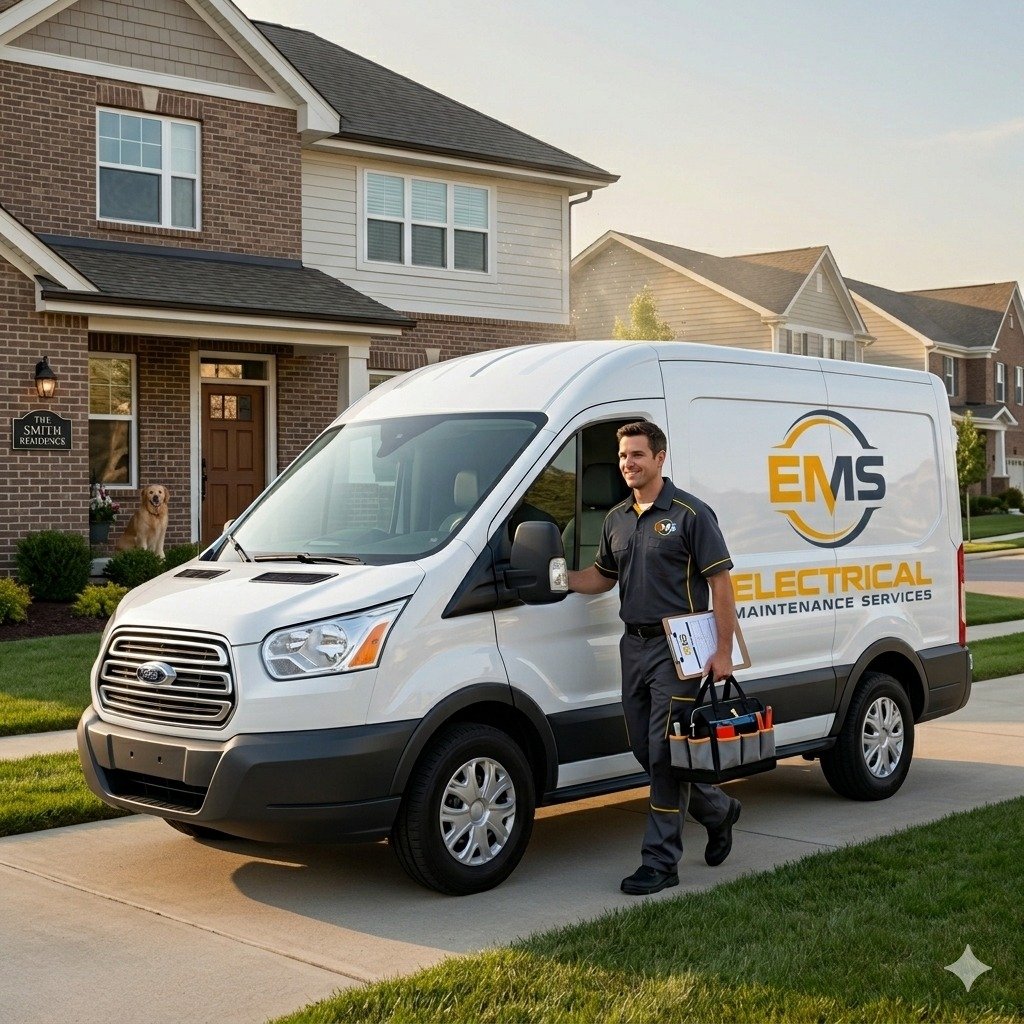
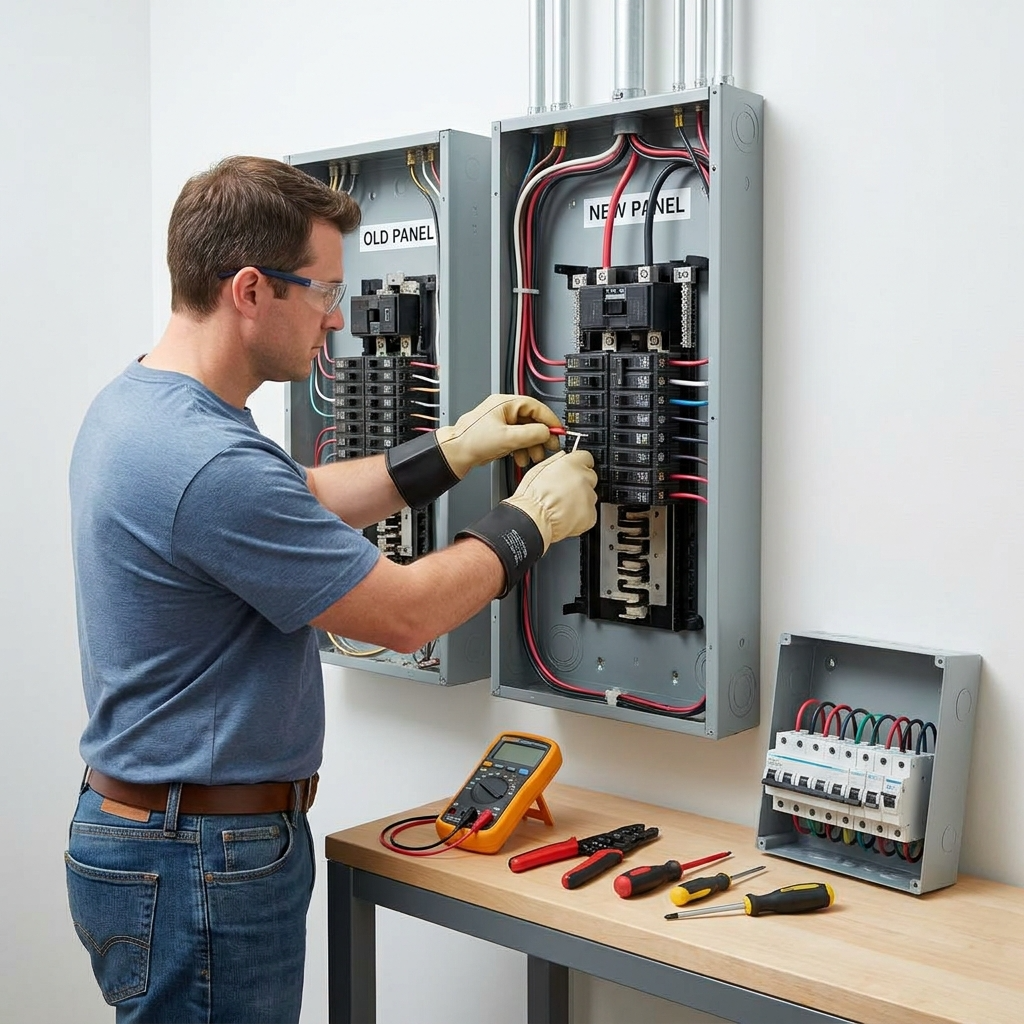
Electrical panel upgrades might seem complex, but understanding the process makes everything smoother. Whether your breaker keeps tripping or you’re adding new appliances, knowing what happens during a panel upgrade helps you prepare. This guide walks you through each step, from the first inspection to the final test, so you know exactly what to expect when upgrading your electrical service.
Why Electrical Panel Upgrades Are Essential for Modern Homes
Older electrical panels simply can’t keep up with today’s power demands. Most homes built before 2000 have 100-amp panels, but modern households often need 200 amps or more. When you run your air conditioner, electric stove, multiple computers, and charge devices simultaneously, outdated panels get overloaded. This creates real safety risks, including overheating, sparking, and potential electrical fires.
Outdated panels also violate current electrical codes in many cases. Fuse boxes and panels over 25 years old lack modern safety features like arc-fault and ground-fault circuit interrupters. These protective devices prevent electrical shocks and fires, making them essential for safe homes. Insurance companies increasingly require code-compliant panels, and some refuse coverage for properties with obsolete electrical systems.
Upgraded panels support the technology you want to add. Planning to install an EV charger? That alone typically requires 40-50 amps of dedicated power. Smart home systems, home offices, and energy-efficient heat pumps all increase your electrical load. A modern 200-amp panel provides the capacity and flexibility to power these additions safely without constant breaker trips or safety concerns.
Signs Your Property Needs a Panel Upgrade
Frequent circuit breaker trips signal your panel can’t handle your power needs. If breakers trip when you use multiple appliances, your system is overloaded. This happens because older panels distribute power inefficiently, forcing circuits to carry more load than they should. While occasional trips are normal, weekly or daily occurrences mean your electrical system needs attention.
Flickering or dimming lights reveal voltage problems. When lights dim as your refrigerator starts or your vacuum runs, circuits are sharing power inadequately. This happens most often in homes with 60 or 100-amp service trying to support modern electrical demands. These voltage fluctuations can damage sensitive electronics and indicate serious distribution issues.
Burning smells or discoloration around your panel require immediate professional attention. Scorch marks, warmth, or unusual odors indicate dangerous overheating. Loose connections, corroded wires, or overloaded circuits cause these problems. If you notice any of these warning signs, contact a licensed electrician right away.
Outdated fuse boxes present multiple safety concerns. Homes with fuse panels instead of circuit breakers typically need complete electrical service upgrades. Fuses don’t provide the protection modern circuit breakers offer, and finding replacement fuses becomes increasingly difficult. Most panels over 25 years old lack safety features required by current codes.
Planning major renovations automatically triggers the need for capacity evaluation. Adding square footage, finishing basements, or upgrading kitchens increases electrical load substantially. Licensed electricians can calculate whether your current panel supports these changes or if you need a panel upgrade before starting construction.
The Initial Consultation and Inspection Process
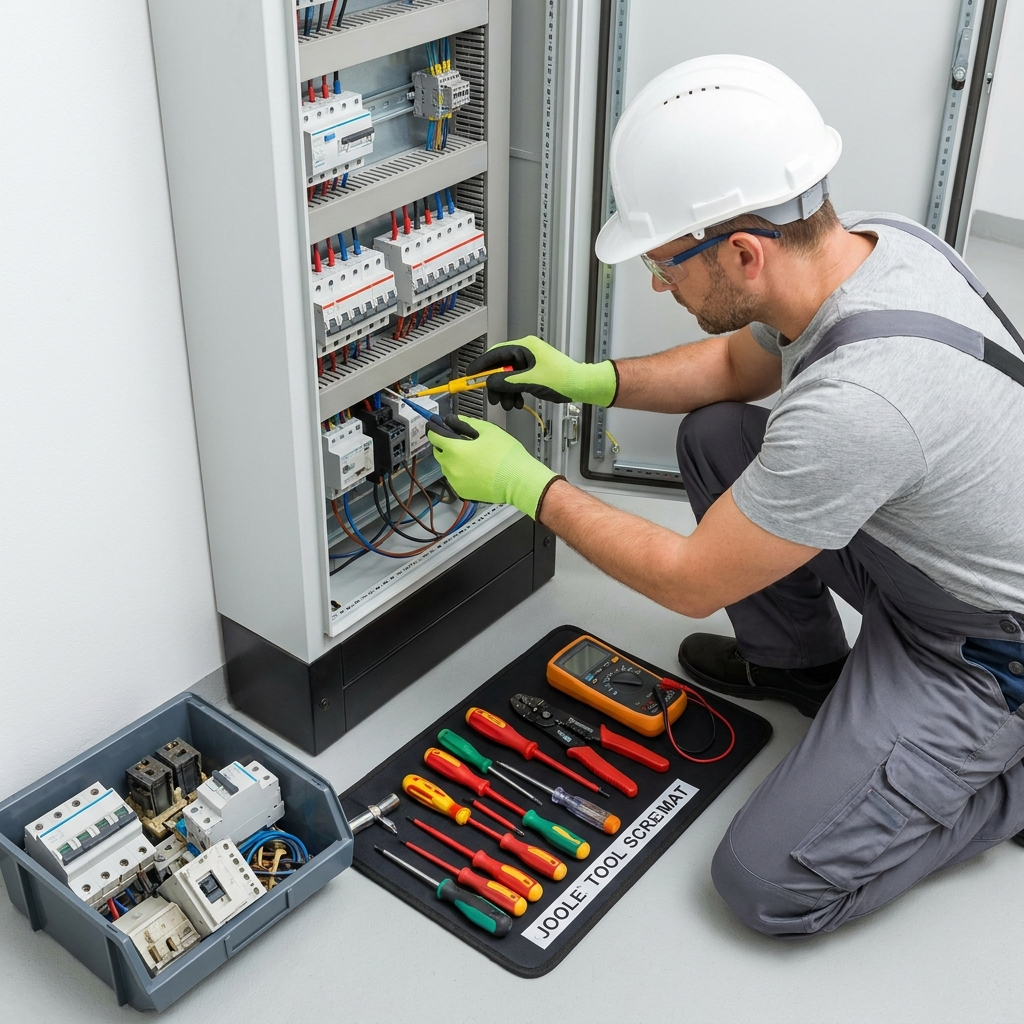
Licensed electricians start by evaluating your complete electrical system. During this first visit, technicians inspect your current panel, check amperage capacity, and assess the condition of existing wiring. They examine how power distributes throughout your property and identify any code violations or safety hazards. This thorough evaluation ensures the upgrade addresses all your electrical needs.
Assessing current and future power requirements shapes the upgrade plan. Electricians calculate your household’s total electrical load by considering existing appliances and planned additions. They ask about upcoming projects like EV charger installations, hot tub additions, or home office setups. This forward-thinking approach ensures your new panel provides enough capacity for years to come without requiring another upgrade.
Transparent pricing discussions happen during the consultation. Experienced technicians explain what factors affect costs, including panel size, necessary repairs, and permit requirements. They provide detailed quotes that break down labor, materials, and additional work needed to meet code. This upfront approach eliminates surprise charges and helps you budget accurately.
Permit and code compliance requirements vary by location. In Calgary, electrical panel upgrades require permits and must pass municipal inspections. Your electrician handles permit applications and ensures all work meets Alberta’s electrical code standards. They explain timeline impacts from permit processing and schedule inspections at appropriate project stages.
Step-by-Step: What Happens During the Upgrade?
Pre-Installation Preparation
Scheduling utility company coordination ensures safe power shutdown. Your electrician contacts the power company to arrange temporary service disconnection at the meter. This typically happens on installation day and lasts only during the actual panel swap. Coordinating this step properly prevents delays and ensures worker safety during the electrical panel replacement.
Protecting surrounding areas maintains your property during work. Technicians lay drop cloths and set up barriers around the work zone. They remove nearby items that could interfere with the installation or get damaged. Professional crews take care to minimize disruption while maintaining safe working conditions.
Gathering necessary permits and materials happens before installation day. Your electrician obtains required permits, purchases the new panel, and orders specialized materials. They verify that all components meet code requirements and match your specific electrical needs. This preparation ensures the installation proceeds smoothly without material delays.
Removing the Old Panel
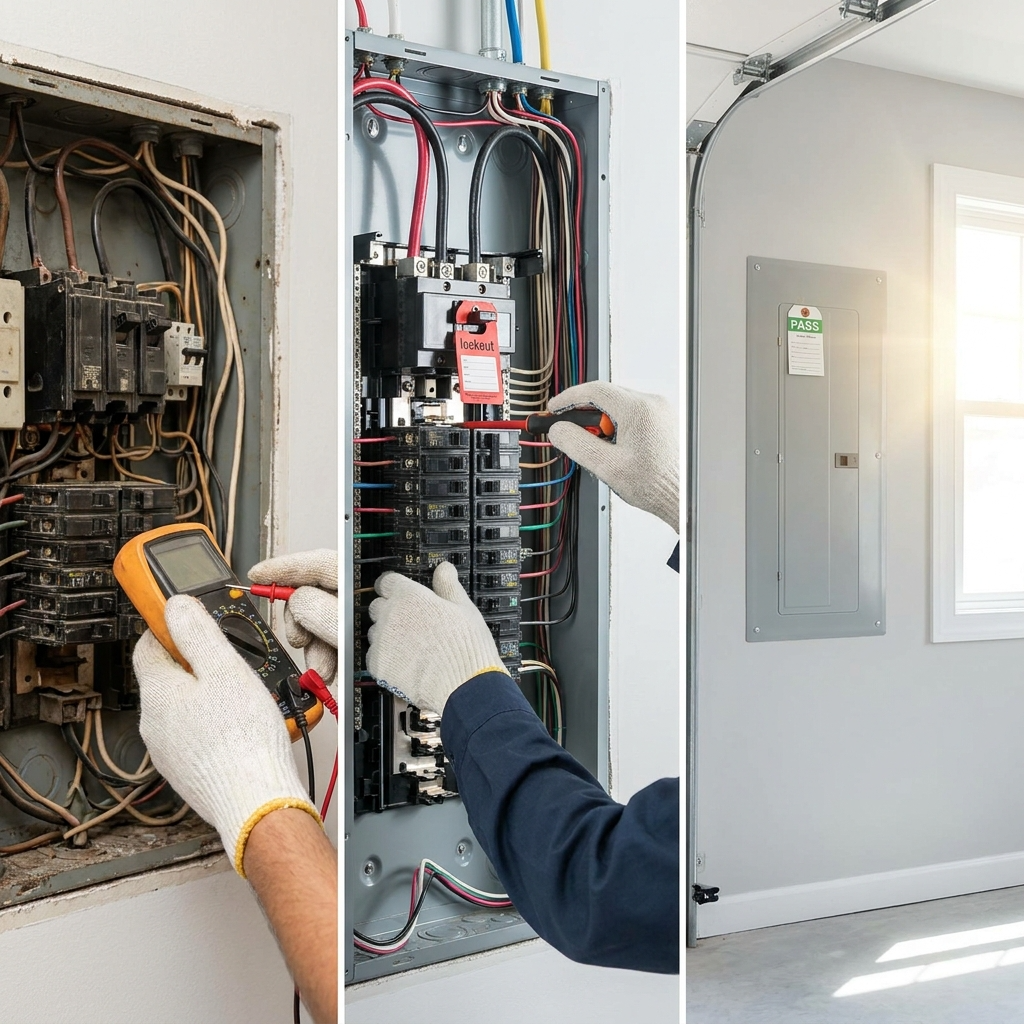
Safe disconnection of the existing electrical panel requires licensed professionals. After the utility company shuts off power at the meter, insured technicians can safely remove panel covers and disconnect circuits. They work systematically, ensuring each wire is properly identified before disconnection. This methodical approach prevents confusion during reinstallation and maintains safety throughout the process.
Documentation of existing wiring configuration guides the new installation. Experienced electricians photograph and label each circuit before removal. They note which breakers serve specific rooms and appliances, creating a reference for the new panel layout. This careful documentation ensures your home’s electrical distribution remains logical and easy to troubleshoot later.
Inspection of current wiring condition reveals necessary repairs. While removing the old panel, technicians examine wire insulation, connections, and overall condition. They identify any damaged wiring that needs replacement to meet code. Addressing these issues during the upgrade ensures your entire electrical system operates safely.
Installing the New Panel
Mounting the new electrical panel securely provides the foundation for safe operation. Technicians position the panel at code-required heights and secure it firmly to wall studs. They ensure proper clearance around the panel for safe access and future maintenance. The mounting must support the panel’s weight plus all connected wiring without movement or stress.
Connecting circuits systematically ensures proper power distribution. Electricians transfer circuits from the old panel to the new one, often upgrading wire sizes where needed. They balance loads across both bus bars to prevent overloading either side. Each connection gets tightened to manufacturer specifications, preventing loose connections that cause overheating.
Labeling all circuits clearly helps with future maintenance and troubleshooting. Professional installations include detailed circuit directories that identify what each breaker controls. Labels use plain language like “master bedroom outlets” instead of vague descriptions. This clear labeling saves time and prevents confusion during future electrical work.
Installing appropriate circuit breakers for each zone provides customized protection. Modern panels use different breaker types for specific applications. Standard breakers protect general lighting and outlets, while GFCI breakers safeguard bathrooms and outdoor circuits. AFCI breakers prevent arc faults in bedrooms and living areas, meeting current safety codes.
Testing and Final Inspection
Comprehensive testing of all circuits and safety features confirms proper installation. Licensed electricians energize the panel and test each circuit individually. They verify correct voltage, check for proper grounding, and ensure all safety devices function correctly. This testing catches any issues before the municipal inspector arrives.
Verification of proper grounding and bonding protects against electrical shocks. Technicians test ground connections and ensure the grounding system meets code requirements. They verify bonding between the panel, grounding electrode, and metal water pipes. These safety systems provide paths for fault currents, preventing dangerous voltage on metal surfaces.
Municipal inspection ensures code compliance and permits project completion. Calgary requires inspections by certified electrical inspectors who verify the installation meets all code requirements. The inspector checks panel installation, grounding systems, and circuit protection. Once approved, they issue a permit completion notice that becomes part of your property records.
Final walkthrough with the homeowner completes the project. Your electrician explains how the new panel works, shows you the circuit directory, and answers questions. They demonstrate how to reset breakers and identify which circuits serve different areas. This education helps you use your upgraded electrical service confidently and safely.
How Long Does an Electrical Panel Upgrade Take?
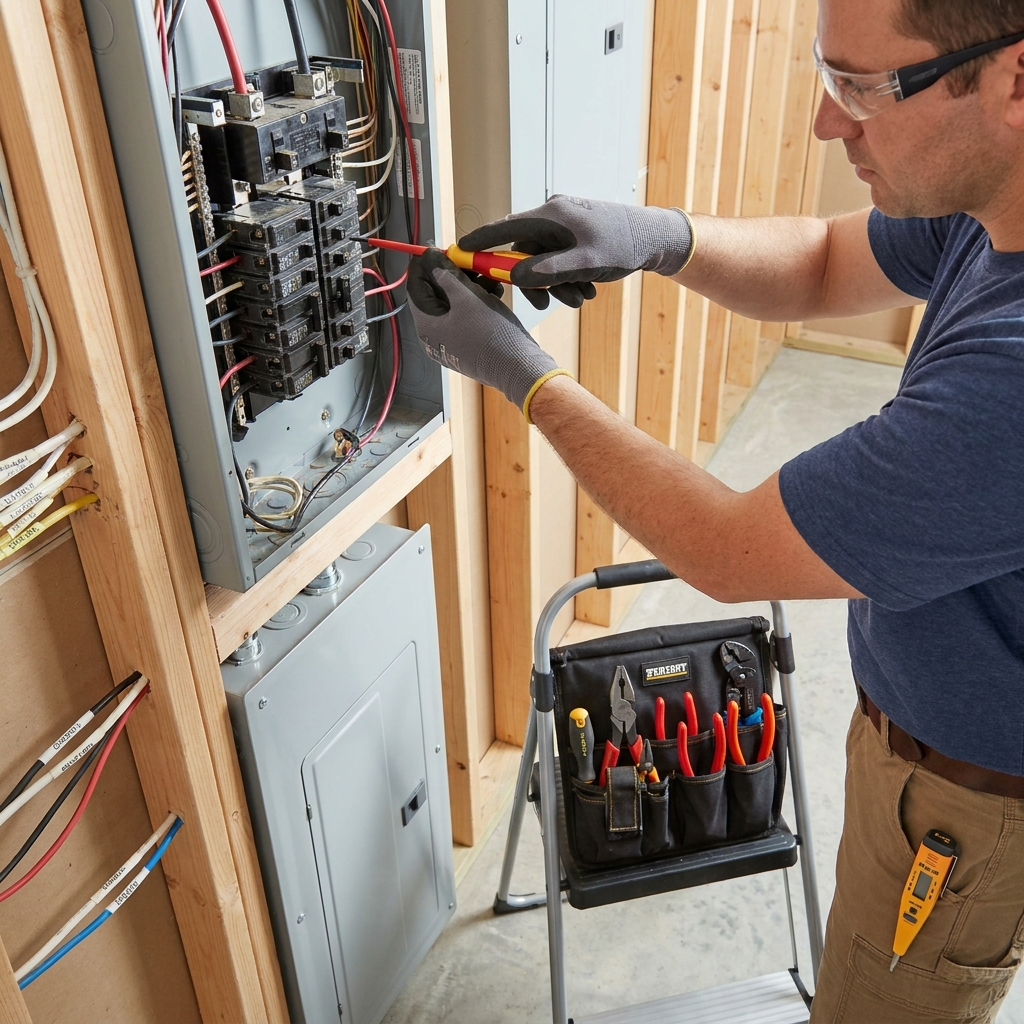
Typical residential panel upgrades take 4 to 8 hours for standard installations. The timeline includes power shutdown, old panel removal, new panel installation, testing, and cleanup. Straightforward upgrades with good access and no complications usually finish toward the shorter end of this range. Experienced technicians work efficiently while maintaining quality and safety standards throughout the process.
Several factors may extend the project timeline beyond the standard range. Additional repairs like damaged wiring replacement or service mast upgrades add time. Upgrading from 100 to 200-amp service requires utility company meter base replacement, which extends the project by several hours. Complex wiring configurations or challenging panel locations also increase installation time. Your electrician identifies these factors during the initial inspection and provides accurate timeline estimates.
Emergency service options exist for urgent situations requiring immediate attention. If your panel shows signs of dangerous failure like burning smells or visible damage, 24/7 emergency electricians can respond quickly. Emergency electrical panel replacements may happen outside regular business hours to restore safe power to your property. While emergency services cost more, they prevent extended power outages and serious safety risks.
Working with experienced technicians ensures efficient completion without sacrificing quality. Electricians with over 15 years of experience complete upgrades faster because they handle complications smoothly. They bring the right tools, anticipate common issues, and work methodically. This expertise means fewer delays and professional results that pass inspection on the first attempt.
Safety Considerations During the Upgrade Process
Professional installation by licensed electricians is absolutely necessary for safety. Electrical panel work involves high-voltage connections that can cause fatal shocks, fires, or explosions if handled improperly. Licensed electricians complete extensive training and maintain certification through continuing education. They understand code requirements, safety protocols, and proper installation techniques that protect you and your property.
Temporary power arrangements during the upgrade vary by situation. Most residential upgrades require complete power shutdown for 4 to 8 hours. Your electrician coordinates with you to schedule the outage at convenient times, often on weekdays when fewer people are home. For properties requiring continuous power, portable generators can supply temporary electricity to essential circuits during the installation.
Safety protocols followed by insured technicians protect everyone involved. Professional electricians use personal protective equipment, verify power disconnection before touching wires, and follow lockout procedures. They maintain safe working zones and use proper tools designed for electrical work. Insurance coverage protects you if unexpected issues arise, providing peace of mind throughout the project.
Post-installation safety features improve your home’s electrical protection significantly. New panels include arc-fault and ground-fault protection that older systems lack. Modern circuit breakers trip faster and more reliably than outdated fuses or worn breakers. Proper grounding systems installed during upgrades protect against shocks and equipment damage, making your electrical system safer for everyone.
Cost Factors for Electrical Panel Upgrades in Calgary
Variables affecting project pricing include panel size, amperage, and complexity. Upgrading to a 200-amp panel costs more than a 100-amp replacement because of larger wire requirements and utility coordination. Panel location affects labor costs, with difficult access increasing installation time. The number of circuits being transferred also impacts pricing, as more circuits require more labor hours.
Additional costs for necessary repairs or code updates appear in many projects. Older homes often need service mast upgrades, grounding system improvements, or damaged wire replacement. Bringing outdated electrical systems up to current code standards adds expenses but ensures safety and legal compliance. Transparent electricians identify these needs during inspection and include them in quotes before work begins.
Long-term savings from improved efficiency and safety offset upgrade costs over time. Modern panels reduce fire risks, potentially lowering insurance premiums. Efficient power distribution prevents energy waste from overloaded circuits. Supporting new technologies like EV chargers and energy-efficient appliances without additional upgrades saves money. These benefits make panel upgrades valuable investments in your property.
Transparent pricing approaches help you understand what you’re paying for and why. Reputable electrical service providers break down costs clearly, separating labor, materials, permits, and additional work. They explain which expenses are fixed and which might vary based on discovered conditions. This honesty builds trust and helps you make informed decisions about your electrical panel installation.
After the Upgrade: Maintenance and Best Practices
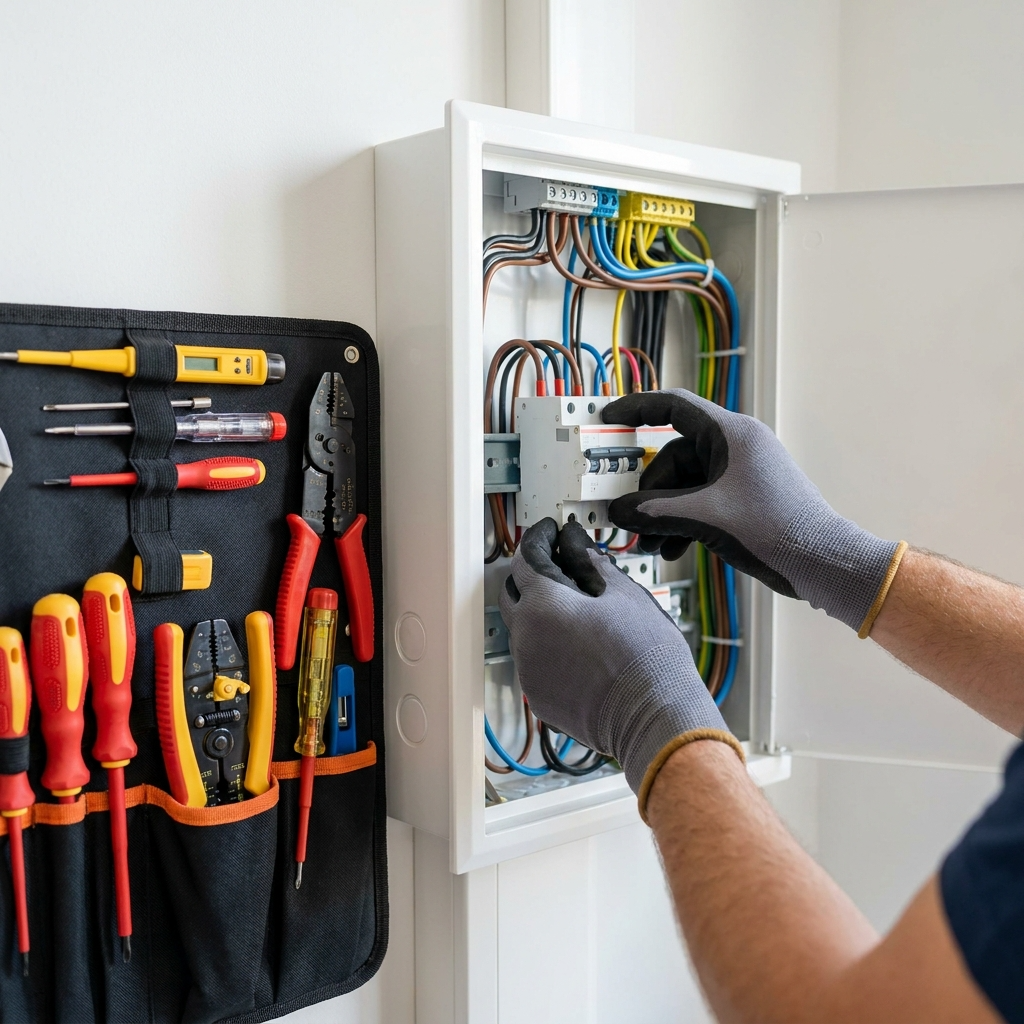
Understanding your new panel’s capacity and limitations prevents future overloads. Your upgraded panel has specific amperage limits that technicians explain during the final walkthrough. Knowing these limits helps you plan future electrical additions appropriately. The circuit directory shows which circuits serve each area, helping you distribute loads evenly across available capacity.
Proper circuit distribution avoids overloading individual breakers. Avoid plugging too many high-draw appliances into outlets on the same circuit. Space heaters, air conditioners, and kitchen appliances should have dedicated circuits when possible. Balancing your electrical usage across multiple circuits keeps breakers from tripping and maximizes your panel’s capacity.
Scheduling follow-up inspections maintains your electrical system’s safety and efficiency. While new panels require minimal maintenance, periodic inspections catch developing issues early. Licensed electricians recommend inspections every 3 to 5 years or when adding major electrical loads. These checkups verify connections remain tight, breakers function properly, and no damage has occurred.
Upgraded panels support future electrical additions seamlessly. Planning to install an EV charger or add a home office becomes much simpler with adequate panel capacity. Your electrician can easily add new circuits for these additions without another main panel replacement. This flexibility makes your upgraded electrical service a foundation for future improvements and technology adoption.
Common Questions Homeowners Ask About Panel Upgrades
Concerns about disruption to daily activities are completely normal. Most upgrades require power outages lasting 4 to 8 hours, which means planning around the work. Refrigerated food stays safe if you keep doors closed, and most installations complete in a single day. Professional electricians minimize disruption by working efficiently and cleaning up thoroughly when finished.
Warranty coverage on new panels and installation work provides important protection. Quality electrical panels carry manufacturer warranties covering defects for 10 to 25 years. Reputable electrical service providers warranty their labor, typically for one year or more. These warranties ensure that any issues arising from installation or defective materials get resolved at no additional cost.
Panel upgrades can positively affect home insurance rates in many cases. Insurance companies view modern, code-compliant electrical systems as lower risk. Some insurers offer discounts for homes with updated panels, while others simply become willing to insure properties they previously rejected. Documenting your upgrade with inspection certificates and permits helps when discussing coverage with your insurance provider.
Identifying qualified electrical service providers requires checking specific credentials. Look for licensed electricians with proper provincial certification and current insurance coverage. Companies with over 15 years of experience demonstrate stability and expertise. Customer reviews and satisfied customer counts indicate quality service. Providers offering transparent pricing and detailed quotes show professionalism and integrity.
Frequently Asked Questions
How much does an electrical panel upgrade cost in Calgary?
Electrical panel upgrades in Calgary typically range from $1,500 to $3,500 for standard residential installations. The final cost depends on panel size, amperage increase, necessary repairs, and accessibility. Upgrading from 100 to 200 amps costs more than simple panel replacement at the same amperage. Additional factors like service mast upgrades, extensive rewiring, or emergency services increase pricing. Licensed electricians provide detailed quotes after inspecting your specific situation and electrical needs.
Will I have power during the electrical panel upgrade?
No, power must be shut off during the panel upgrade for safety reasons. The outage typically lasts 4 to 8 hours for standard residential installations. Your electrician coordinates with the utility company to disconnect power at the meter before starting work. You can prepare by charging devices beforehand, planning meals that don’t require cooking, and keeping refrigerator doors closed. For situations requiring continuous power, portable generators can supply electricity to essential circuits during the upgrade.
How do I know if my electrical panel needs to be upgraded?
Several signs indicate your panel needs upgrading. Frequent breaker trips when using multiple appliances signal capacity issues. Flickering lights when appliances start show voltage problems. Burning smells or discoloration around the panel require immediate attention. Panels over 25 years old or homes with fuse boxes typically need upgrades. Planning to add major electrical loads like EV chargers or home additions also requires panel evaluation. Licensed electricians can assess your system and recommend whether an upgrade is necessary.
Can I upgrade my electrical panel myself?
No, electrical panel upgrades must be performed by licensed electricians. This work involves dangerous high-voltage connections that can cause fatal injuries if handled incorrectly. Panel upgrades require permits and must pass municipal inspections, which homeowners cannot obtain without proper licensing. Insurance companies and building codes prohibit unlicensed electrical work. Professional electricians have the training, tools, and experience to complete upgrades safely and correctly, protecting you and your property.
How long does a new electrical panel last?
Properly installed electrical panels typically last 25 to 40 years with minimal maintenance. The panel itself can function for decades, though circuit breakers may need occasional replacement. Panels should be inspected every 3 to 5 years to ensure connections remain tight and components function properly. Environmental factors like moisture exposure or extreme temperature fluctuations can shorten panel life. Quality installation by experienced electricians maximizes your panel’s lifespan and ensures reliable performance throughout its service life.
Does upgrading my electrical panel increase home value?
Yes, electrical panel upgrades increase home value and marketability. Modern, code-compliant electrical systems appeal to buyers and often become selling points. Homes with updated 200-amp panels support modern appliances and technology that buyers expect. The upgrade also removes concerns about electrical safety and capacity that might otherwise reduce offers or prevent sales. While you may not recoup the entire upgrade cost immediately, the investment makes your home more attractive and valuable in the real estate market.
What size electrical panel do I need for my home?
Most modern homes need 200-amp electrical panels to support current and future power demands. Smaller homes under 1,500 square feet with gas appliances might function adequately with 100 or 150 amps. Homes with electric heating, central air conditioning, or plans for EV chargers should have 200-amp service minimum. Larger properties or those with extensive workshops and outbuildings may require even higher capacity. Licensed electricians calculate your specific needs by assessing current usage and planned additions, ensuring your panel provides adequate capacity.