Electrical emergencies don’t always announce themselves with dramatic sparks and flames. Sometimes the warning signs are subtle, but ignoring them can lead to serious safety hazards, property damage, or even life-threatening situations. Knowing when to call an emergency electrician Calgary residents trust can protect your family, employees, and property from electrical fires and system failures. This guide helps you recognize critical electrical emergency signs that require immediate professional attention, so you can act quickly when safety is on the line.
Why Electrical Emergencies Require Immediate Attention?
Electrical problems can escalate from minor issues to dangerous situations within minutes. What starts as a small burning smell can quickly turn into a full-scale electrical fire that threatens your entire property. According to the National Fire Protection Association, electrical failures or malfunctions cause an estimated 13% of home structure fires annually, resulting in hundreds of deaths and billions in property damage. The speed at which electrical fires spread makes quick professional response critical for protecting lives and property.
Attempting DIY fixes during electrical emergencies puts you at serious risk of electrocution, further system damage, and voiding insurance coverage. Licensed emergency electricians have the training, tools, and experience to safely diagnose problems and implement solutions that meet safety codes. When dealing with live electricity, the stakes are too high to rely on YouTube tutorials or guesswork. Professional electricians can identify underlying issues that caused the emergency, preventing repeat incidents that DIY approaches often miss.
Delayed electrical repairs create compounding problems that become more expensive and dangerous over time. A loose connection that causes occasional sparking today can create sustained arcing tomorrow, melting insulation and igniting nearby materials. Statistics show that properties with outdated or poorly maintained electrical systems face five times higher risk of electrical fires compared to those with regular professional maintenance. Every hour you wait to address serious electrical warning signs increases the likelihood of catastrophic failure.
Burning Smell or Smoke from Outlets
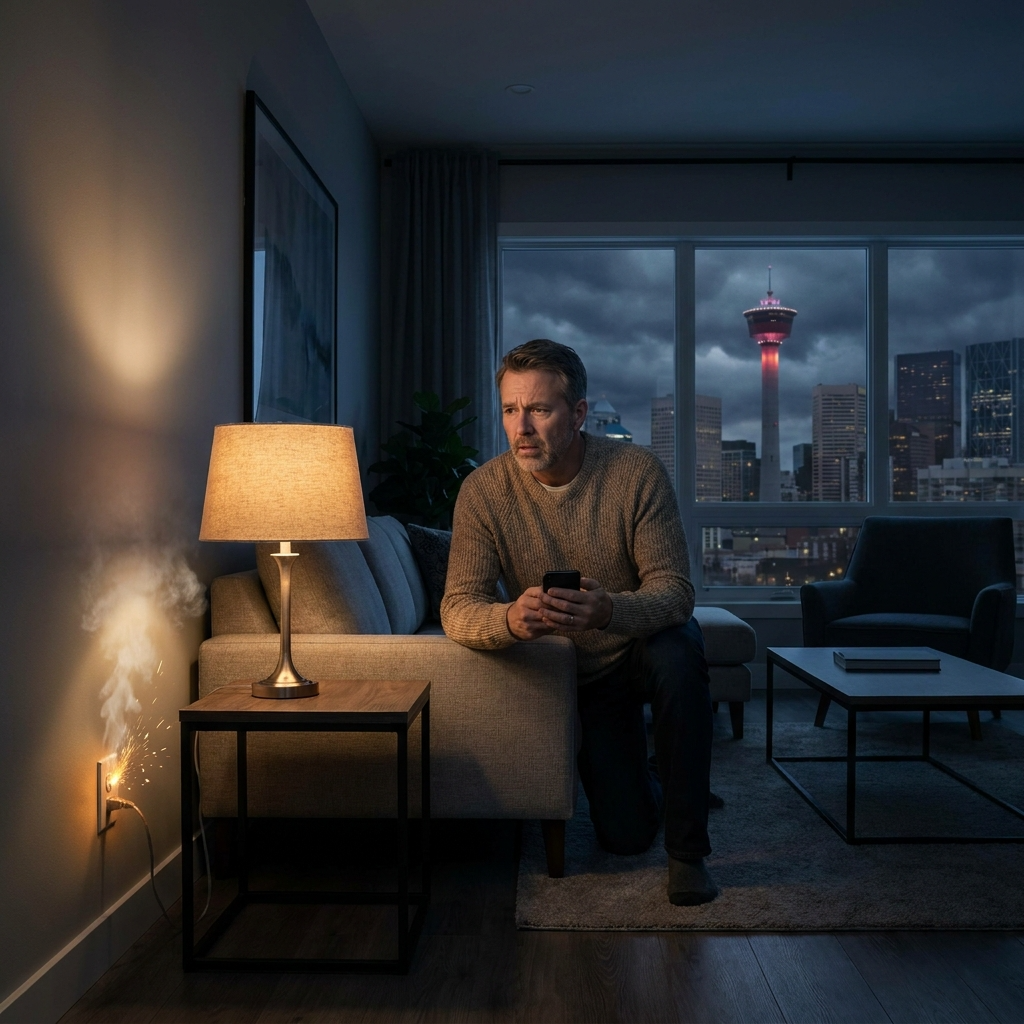
A burning odor near outlets, switches, or your electrical panel indicates that something is overheating inside your electrical system. This smell often resembles burning plastic or rubber and signals that wire insulation is melting due to excessive heat. When electrical connections become loose or wires carry more current than they’re rated for, resistance creates heat that can ignite surrounding materials. This is one of the clearest electrical fire warning signs that demands immediate action.
The melting insulation exposes live conductors, creating conditions for electrical arcing that can instantly ignite fires. As insulation burns away, the risk of short circuits increases dramatically, potentially causing sparks that spread to walls, attic spaces, or insulation materials. Older properties with aluminum wiring or outdated systems face even higher risks because these materials are more prone to connection failures and overheating. If you see visible smoke coming from any electrical component, you’re witnessing the early stages of an electrical fire.
Your immediate response should prioritize safety over everything else. Switch off power at the main breaker if you can reach it safely without passing through smoke-filled areas. Evacuate everyone from the property and call emergency services if smoke is visible or spreading. Once everyone is safe, contact a 24/7 electrician service to address the problem. Never restore power or use affected outlets until a licensed professional has inspected and repaired the system. This situation requires emergency electrical service Calgary technicians can provide within the hour.
Frequent Circuit Breaker Trips
Circuit breakers are designed to trip when they detect electrical overloads or short circuits, protecting your wiring from damage and preventing fires. Occasional breaker trips when you run multiple high-power appliances simultaneously are normal protective responses. However, when the same breaker trips repeatedly without obvious cause, or when multiple breakers trip frequently, you’re seeing symptoms of serious electrical problems that need professional diagnosis. These persistent trips indicate your electrical system is struggling to handle current demands safely.
Overloaded circuits occur when you draw more amperage than the circuit is rated to handle, forcing the breaker to interrupt power flow. While this protective function prevents immediate danger, continued overloading stresses your entire electrical system and indicates you need panel upgrades or additional circuits. Faulty wiring creates even more dangerous conditions because damaged insulation, loose connections, or deteriorated conductors can cause intermittent shorts that trip breakers unpredictably. These wiring problems can lead to arcing and fires even when breakers function correctly.
Knowing when breaker trips constitute an emergency versus a maintenance issue helps you respond appropriately. Call for immediate electrician service if breakers trip and won’t reset, if you smell burning odors when resetting breakers, or if multiple circuits fail simultaneously. Also seek urgent electrical repair if specific appliances consistently trip breakers, suggesting ground faults or equipment problems. For persistent nuisance tripping without other warning signs, schedule professional inspection within a few days rather than waiting for your next maintenance appointment.
Sparking Outlets or Switches
Seeing sparks when plugging in devices or flipping switches can be alarming, but not all sparks indicate emergencies. A small, brief spark when making or breaking electrical connections is normal because rapid connection creates a momentary arc as electricity jumps the gap. This normal spark appears as a quick blue flash that doesn’t repeat, produces no smell, and doesn’t leave burn marks. However, large sparks, sustained arcing, yellow or white sparks, or sparks accompanied by burning smells signal dangerous connection problems requiring immediate attention.
Electrical arcing occurs when electricity flows through air between conductors instead of through proper connections. This creates intense heat that can reach thousands of degrees, easily igniting nearby materials like wood framing, insulation, or paper products. Poor connections, damaged outlets, or deteriorated wiring all create conditions for dangerous arcing. Outlets that spark repeatedly or produce visible flashes each time you use them have failing internal connections that will continue degrading until they cause fires or complete failure.
If you witness sustained sparking or large electrical flashes from outlets or switches, stop using that circuit immediately. Don’t attempt to unplug devices or flip switches repeatedly to test the problem, as this can trigger the fire you’re trying to prevent. Turn off power to that circuit at your breaker panel if you can identify the correct breaker. Mark the affected outlet or switch so others won’t use it accidentally. Contact emergency electrical services right away because these conditions can ignite fires even when circuits aren’t actively in use. Licensed professionals can identify whether outlet replacement, wiring repair, or circuit modifications are needed to eliminate the hazard.
Buzzing or Humming Sounds from Electrical Panels
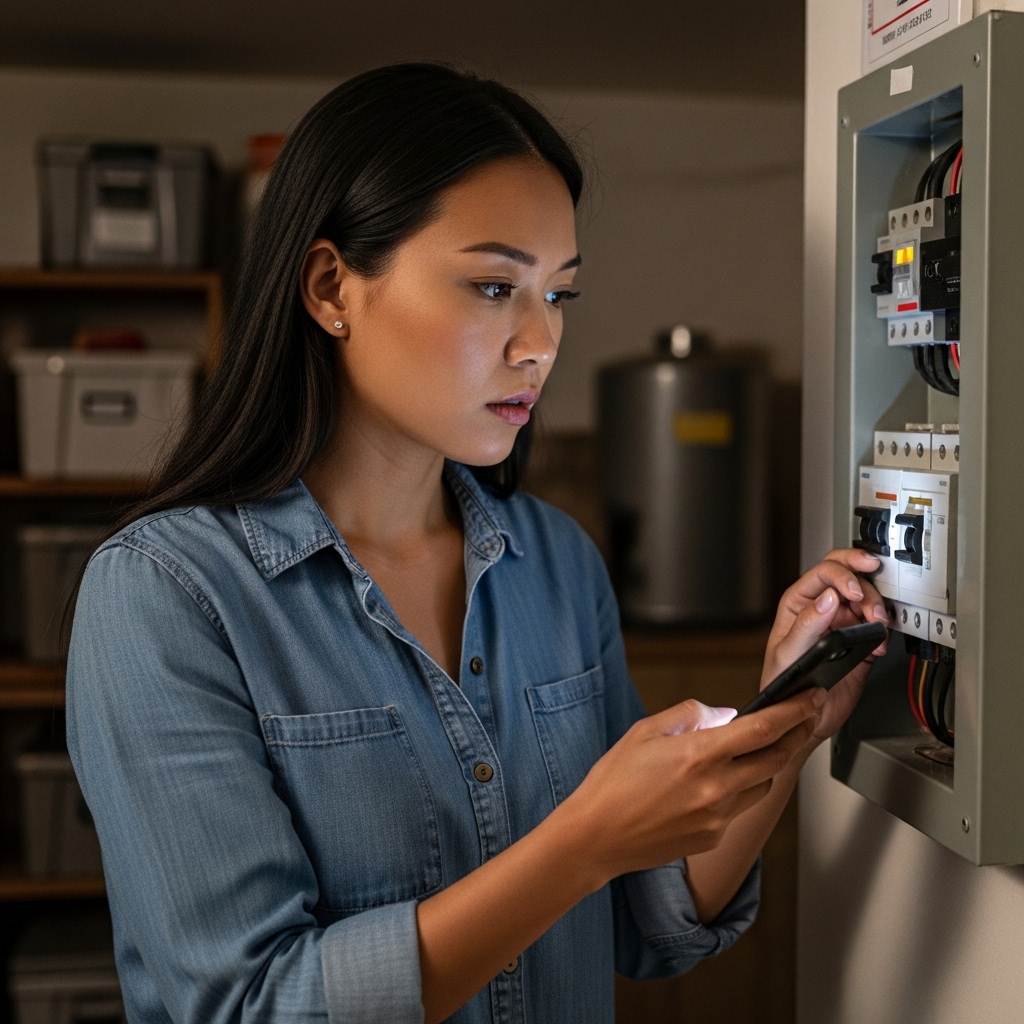
Electrical panels should operate silently under normal conditions. Transformers and some larger electrical equipment may produce a very quiet, steady hum, but your circuit breaker panel itself shouldn’t make noticeable sounds. When you hear buzzing, crackling, sizzling, or loud humming from your panel, these audible warnings indicate loose connections, failing breakers, or components carrying excessive current. These sounds represent electricity arcing or vibrating through poor connections, generating heat that can lead to panel fires.
Loose connections inside panels create resistance that causes components to vibrate at the frequency of alternating current, producing the characteristic buzzing sound. As connections degrade further, the resistance increases, creating more heat and louder sounds until components fail completely. Failing circuit breakers can also produce buzzing or humming sounds as their internal mechanisms wear out, compromising their ability to protect your circuits. In severe cases, you might hear crackling or popping sounds that indicate active arcing within the panel enclosure.
The difference between normal and dangerous sounds is usually clear. A faint, steady hum from a transformer or ballast is normal and consistent. Buzzing that varies in intensity, grows louder over time, or is accompanied by flickering lights signals problems requiring immediate attention. Never ignore unusual sounds from your electrical panel, especially if they coincide with other warning signs like burning smells or hot panel surfaces. Contact emergency electrician Calgary professionals immediately if panel noises are accompanied by any other symptoms. Even if sounds occur alone, schedule urgent inspection because panel failures can cause complete power loss and create serious fire risks.
Flickering Lights Throughout Your Property
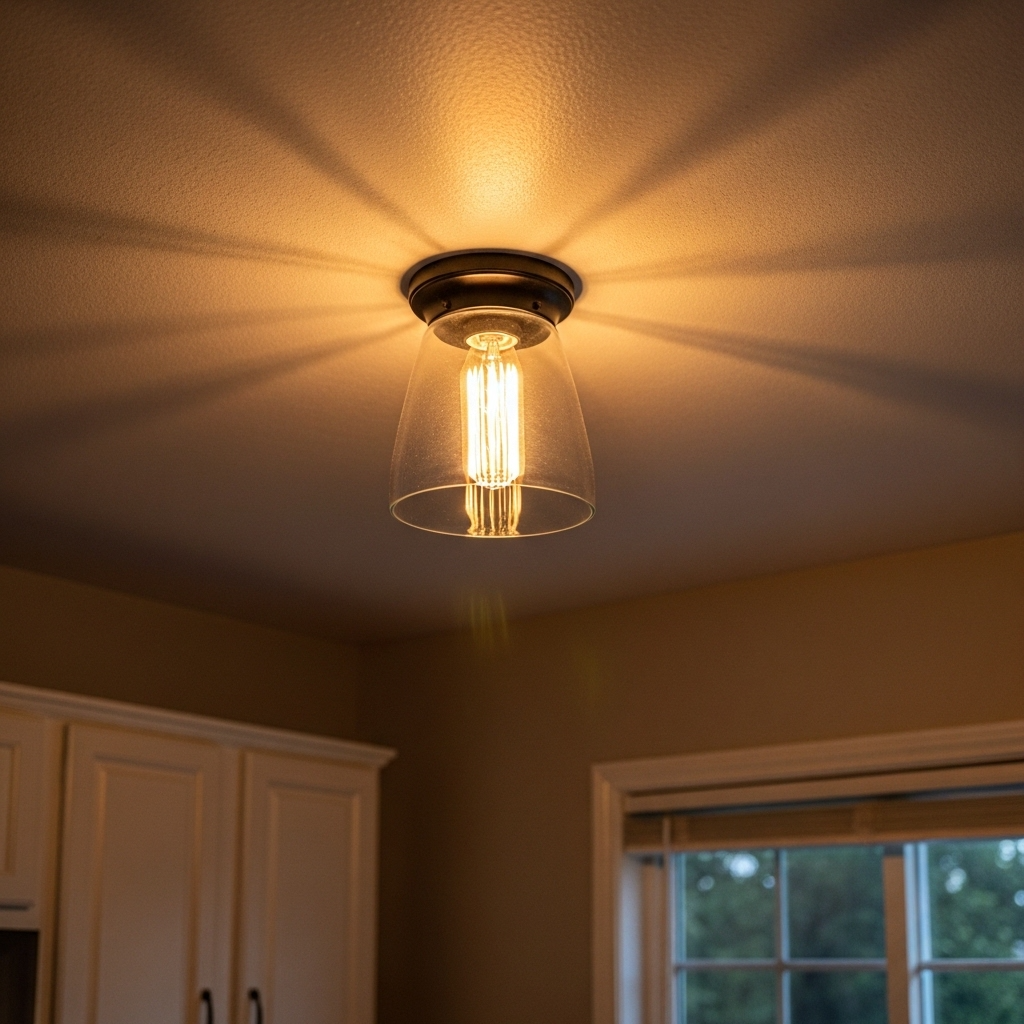
Occasional light flickering in a single fixture usually indicates a loose bulb or a bulb nearing the end of its life. However, when multiple lights flicker simultaneously throughout different rooms, or when flickering occurs consistently during certain activities, you’re seeing symptoms of voltage fluctuations or failing electrical connections. These widespread flickering patterns indicate problems with your main electrical service, panel connections, or major circuit wiring that affect multiple areas of your property. This type of flickering suggests your electrical system is struggling to maintain stable power delivery.
Voltage fluctuations occur when electrical connections can’t maintain consistent current flow, causing power levels to vary rapidly. These fluctuations can damage sensitive electronics, shorten appliance lifespans, and indicate serious connection failures in your main service or panel. When lights dim or brighten noticeably when you operate major appliances like air conditioners or electric dryers, your system lacks the capacity to handle normal loads safely. This overloading condition stresses all components and increases failure risks across your entire electrical system.
Flickering lights signal an emergency requiring immediate electrician service when accompanied by other symptoms like burning smells, hot panels, or buzzing sounds. Also seek urgent help if flickering is severe, affects your entire property simultaneously, or occurs constantly rather than intermittently. For commercial properties, persistent flickering can disrupt operations and damage expensive equipment, making quick professional response essential. Licensed electricians can diagnose whether you’re dealing with utility issues, service entrance problems, panel failures, or circuit wiring defects. Addressing these problems quickly prevents equipment damage and eliminates fire risks before they escalate.
Hot Electrical Panels or Outlets
Electrical panels and outlets should never feel hot to the touch during normal operation. Slight warmth is acceptable, especially in panels carrying heavy loads, but components should remain close to room temperature. When panels feel hot enough that you can’t comfortably keep your hand on the cover, or when outlets feel warm to the touch, excessive heat indicates dangerous overloading or failing connections. This heat buildup signals that components are operating beyond their safe capacity and approaching failure points where fires can ignite.
Excessive heat from electrical components indicates that resistance in connections or overloaded conductors is converting electrical energy into thermal energy. As connections corrode, loosen, or degrade, their resistance increases, generating more heat in a self-accelerating process. This heat damages surrounding insulation, weakens connections further, and can eventually ignite enclosure materials or nearby combustibles. Overheated breakers lose their ability to protect circuits properly, meaning they may not trip even when dangerous conditions exist.
Test your electrical panel temperature by carefully placing the back of your hand against the cover, never the palm where you might instinctively grip a hot surface. If the panel feels uncomfortably warm or hot, turn off major loads if possible and contact emergency electrical services immediately. For outlets that feel warm, stop using them right away and switch off power to that circuit at your breaker. Never use extension cords or power strips that feel warm during operation, as this indicates overloading. Hot electrical components require immediate professional assessment because the window between detectable heat and actual fire can be very short. Experienced electricians can measure temperatures, identify failing components, and implement repairs that restore safe operating conditions.
Water Exposure to Electrical Systems
Electricity and water create deadly combinations that require immediate professional attention. Water conducts electricity efficiently, creating paths for current to flow where it shouldn’t go, including through human bodies. Even small amounts of moisture around electrical components can cause short circuits, ground faults, and electrocution hazards. When flooding, plumbing leaks, or roof leaks expose electrical panels, outlets, or wiring to water, the entire affected system becomes potentially lethal and must be de-energized until professionals can assess and repair damage.
Common water exposure scenarios include basement flooding that reaches electrical panels, plumbing leaks that drip onto electrical boxes, roof leaks that saturate attic wiring, or outdoor outlets exposed to rain. Each situation creates unique hazards depending on water volume, exposure duration, and which components are affected. Water inside electrical panels can cause immediate short circuits that trip main breakers, but it also leaves behind mineral deposits that cause corrosion and connection failures weeks or months later. Moisture absorbed into wire insulation compromises its protective properties permanently, requiring conductor replacement rather than simple drying.
Your immediate safety protocol when discovering water near electrical systems is crucial. Never touch electrical panels, outlets, or appliances when standing in water or with wet hands. If your main panel is accessible without entering flooded areas, shut off the main breaker to de-energize your entire property. Otherwise, stay clear and call emergency services if active hazards exist. Once immediate dangers are controlled, contact 24/7 emergency electrical services for professional assessment. Never restore power to water-damaged electrical systems until licensed electricians have inspected all affected components, tested insulation resistance, and confirmed safe operating conditions. Water damage often affects more of your electrical system than is immediately visible, making professional evaluation essential before re-energizing circuits.
Complete Power Loss in Part of Your Property
Losing power to an entire section of your home or business while other areas remain energized indicates serious internal electrical problems. First, determine whether your neighbors have power to rule out utility company issues. If surrounding properties have electricity, your partial outage stems from problems within your electrical service, main panel, or major circuit wiring. These internal failures can result from tripped breakers, blown fuses, failed panel components, or damaged conductors. While some causes are simple, others represent dangerous conditions requiring immediate professional attention.
Partial power outages often indicate problems with split-phase electrical service or main panel bus bars that distribute power to different sections of your panel. When one phase fails, roughly half your circuits lose power while the other half continues operating normally. This specific pattern suggests problems with your service entrance cables, meter base connections, or main panel bus system. Failed circuit breakers can also cause section outages, but they typically affect smaller areas unless multiple breakers on the same bus fail simultaneously. Any situation where multiple circuits or an entire section loses power without obvious cause needs urgent professional diagnosis.
For commercial properties, partial power loss creates safety hazards and operational disruptions that demand immediate response. Emergency lighting, refrigeration systems, security systems, and computer networks all require reliable power to function properly. Extended outages can result in spoiled inventory, security vulnerabilities, and lost productivity. Immediate steps include checking whether main or sub-panel breakers have tripped and verifying that the problem isn’t isolated to individual circuit breakers. If breakers won’t reset, if resetting them causes immediate re-tripping, or if you can’t identify a tripped breaker, contact emergency electrical services right away. Licensed professionals have the tools and expertise to safely diagnose service entrance problems, panel failures, and major circuit issues that cause section outages.
Visible Wire Damage or Exposed Conductors
Discovering damaged, frayed, or exposed electrical wiring anywhere in your property constitutes an immediate safety emergency. Intact insulation is the only barrier preventing electrical contact with conductive materials or living beings. When insulation is compromised, live conductors can energize metal components, create short circuits, or deliver potentially fatal shocks to anyone who touches them. Exposed wiring also creates arc flash hazards where electricity can jump across air gaps to nearby conductors or grounded objects, producing intense heat and starting fires.
Common causes of wire damage include rodent activity, physical impact from construction or accidents, age-related deterioration, and improper installation. Rodents frequently chew through wire insulation in attics, crawl spaces, and wall cavities, creating hazards in locations that aren’t regularly inspected. Physical damage occurs when drilling, driving nails, or moving objects accidentally contacts wiring in walls or ceilings. Old wiring with deteriorated insulation becomes brittle and cracks, especially in areas exposed to heat or moisture. Improperly installed wiring may lack adequate protection from physical damage or environmental exposure.
If you discover exposed or damaged wiring, your first priority is preventing access to the hazard. Keep people and pets away from the area immediately. Don’t touch damaged wiring or attempt repairs yourself, as you can’t determine which wires are energized without proper testing equipment. If you can safely identify and access the breaker controlling the damaged circuit, shut off power to that area. For wiring damage discovered in walls, attics, or other enclosed spaces, consider shutting off power to the entire property until professionals arrive. Contact emergency electrician services immediately because exposed conductors can cause fires and fatal shocks even when circuits aren’t actively in use. Professional repair requires proper conductor replacement, code-compliant installation methods, and thorough testing to ensure safety.
Electrical Shocks When Touching Appliances
Receiving an electrical shock when touching appliances, plumbing fixtures, or metal objects in your property indicates serious grounding problems or insulation failures. These shocks can range from mild tingles to painful jolts depending on voltage levels and path to ground. Even minor shocks signal that electrical current is flowing where it shouldn’t, creating conditions where more severe shocks or electrocution can occur. Any situation where appliances or fixtures deliver shocks requires immediate professional attention to identify and correct the underlying electrical hazard.
Static electricity shocks feel different from electrical grounding problems and occur in specific conditions. Static buildup happens in dry environments and discharges with a single, sharp snap that doesn’t repeat when you maintain contact with the object. Electrical grounding problems produce sustained tingling or buzzing sensations that continue as long as you touch the energized object. If you can reliably reproduce the shock by touching a specific appliance or fixture, you’re experiencing actual electrical current flow, not static discharge. This consistent shocking indicates that the appliance has an internal fault or that your property’s grounding system has failed.
Faulty grounding creates dangerous conditions because protective systems can’t function properly. Modern electrical systems use equipment grounding conductors to provide a safe path for fault currents, causing breakers to trip when insulation failures occur. When grounding is compromised, fault current can flow through anyone who touches an affected appliance while also contacting a grounded surface like plumbing or concrete floors. This current flow can be fatal depending on the path through your body and the amount of current involved.
If you receive electrical shocks from appliances or fixtures, stop using the affected items immediately and unplug them if you can do so safely. Don’t use three-prong to two-prong adapter plugs that bypass equipment grounding. Consider shutting off power to circuits serving affected areas until professionals arrive. Contact emergency electrical services right away because shock hazards indicate conditions that can cause electrocution. Licensed electricians can test grounding systems, identify insulation failures, and correct the problems that allow current to energize appliance cabinets and other metal components. These repairs often involve circuit rewiring, ground system upgrades, or appliance replacement to restore safe operating conditions.
What to Expect from 24/7 Emergency Electrical Services?
Emergency electrical services provide rapid response when electrical hazards threaten safety and property. In Calgary, Electrical Maintenance Services offers around-the-clock emergency assistance with licensed technicians who can arrive at your property within an hour of your call during critical situations. Response times depend on your location, current emergency call volume, and the severity of your situation, but emergency services prioritize safety hazards like electrical fires, exposed wiring, and shock hazards above all other calls. When you contact emergency services, dispatchers assess your situation to determine appropriate response urgency.
Licensed professionals begin emergency calls by ensuring everyone’s immediate safety, which may involve verifying power shutdown, establishing work zones, and identifying all affected circuits. Diagnostic procedures use specialized testing equipment to measure voltages, test insulation resistance, identify fault locations, and assess component conditions. This thorough diagnosis is critical because visible symptoms often result from hidden problems elsewhere in your electrical system. Emergency electricians explain findings clearly, discuss repair options, and implement solutions that restore safe operation while meeting electrical codes.
Transparent emergency pricing ensures you understand costs before work begins. Emergency electrical service typically costs more than regular appointments due to after-hours availability, rapid response times, and the specialized expertise required to handle urgent situations safely. However, reputable services like Electrical Maintenance Services provide clear estimates before starting repairs and never surprise you with hidden fees. Emergency work includes service guarantees that protect your investment and ensure repairs meet professional standards. Technicians follow strict safety protocols during emergency repairs, using appropriate personal protective equipment, establishing proper lockout-tagout procedures, and testing all repairs thoroughly before restoring power.
Follow-up services often include recommendations for preventive measures that reduce future emergency risks. Your emergency electrician may suggest panel upgrades, circuit additions, or equipment replacements that address underlying capacity or aging issues. These recommendations help you plan appropriate maintenance and improvements rather than facing repeated emergency situations. With over 15 years of industry experience, Electrical Maintenance Services combines immediate emergency response with long-term solutions that protect your property and occupants.
Preventing Electrical Emergencies in Your Property
Regular electrical maintenance dramatically reduces emergency risks by identifying and correcting problems before they become dangerous. Schedule professional inspections annually for commercial properties and every three to five years for residential properties, with more frequent inspections for older buildings or high-use facilities. During maintenance visits, licensed electricians test panel components, measure circuit loading, inspect visible wiring, test GFCI and AFCI devices, verify grounding systems, and identify potential hazards. These proactive inspections catch deteriorating components, overloaded circuits, and code violations before they cause failures.
Panel upgrades provide critical protection for older properties with outdated electrical systems. If your property has a panel over 25 years old, uses fuses instead of circuit breakers, or lacks adequate capacity for modern electrical demands, upgrading prevents most common electrical emergencies. Modern panels include advanced safety features like AFCI breakers that detect dangerous arcing conditions and ground fault protection that prevents shock hazards. Upgrading also provides opportunities to add circuits that eliminate overloading, install whole-property surge protection, and ensure your system meets current electrical codes.
Between professional inspections, monitor specific electrical safety warning signs that indicate developing problems. Check that outlets and switches remain cool to the touch during normal use. Notice whether lights flicker or dim when appliances start. Listen for unusual sounds from your electrical panel. Test GFCI outlets monthly using their test and reset buttons. Watch for circuit breakers that trip repeatedly or feel hot. Address these warning signs promptly by scheduling professional inspection rather than waiting for your next routine maintenance appointment.
Proper installation and quality components reduce emergency risks significantly. When adding circuits, installing new equipment, or replacing components, use licensed electricians who follow electrical codes and use quality materials. Avoid bargain electrical work that cuts corners on installation practices or uses substandard components. Quality installations include proper conductor sizing, secure connections, adequate support and protection, appropriate overcurrent protection, and thorough testing. The modest additional cost of quality electrical work is insignificant compared to the property damage, injuries, and emergency repair costs that result from substandard installations. Over 150 satisfied customers trust Electrical Maintenance Services to deliver installations that prioritize safety and long-term reliability.
FAQ
What qualifies as an electrical emergency versus a routine repair?
Electrical emergencies involve immediate safety hazards like burning smells, visible sparks, electrical shocks, exposed wiring, or water exposure to electrical systems. Routine repairs address problems that don’t pose immediate risks, such as a single non-functioning outlet, a light fixture that stopped working, or a circuit breaker that tripped once and reset successfully. If you’re unsure, contact an electrician to describe your situation. Professionals can assess whether your problem requires immediate response or can wait for a scheduled appointment. When in doubt, treat situations as emergencies because the consequences of delayed response can be severe.
How quickly should I expect an emergency electrician to arrive in Calgary?
Response times for emergency electrical service in Calgary typically range from one to two hours, depending on your location, time of day, and current service demand. Electrical Maintenance Services prioritizes life-safety emergencies like active electrical fires, severe shock hazards, and situations where occupants are at immediate risk. Less critical emergencies may have slightly longer response times if multiple urgent calls occur simultaneously. When you call for emergency service, dispatchers provide estimated arrival times based on current conditions. During severe weather events or widespread power issues, response times may extend due to high demand across the service area.
Is it safe to use my electrical system while waiting for emergency service?
Safety depends on the specific problem you’re experiencing. For localized issues like a sparking outlet or smoking switch, turn off power to that specific circuit at your breaker panel and avoid using it until repairs are complete. The rest of your electrical system can typically remain operational. For panel problems, burning smells, or widespread issues, shut off your main breaker and evacuate if necessary. Ask the emergency dispatcher for specific safety guidance based on your situation. Never continue using circuits or equipment showing signs of failure, even if they still function, because electrical problems can escalate rapidly from minor symptoms to dangerous conditions.
What should I do immediately if I smell burning near my electrical panel?
Burning smells from electrical panels indicate serious fire hazards requiring immediate action. If safe to access, shut off your main breaker to de-energize your entire electrical system. Evacuate everyone from the property immediately. Call emergency services if you see smoke or flames. Once everyone is safe and emergency services are notified if needed, contact 24/7 emergency electrical services to address the problem. Do not restore power or attempt to investigate the source of burning smells yourself. Even if odors dissipate after shutting off power, the underlying problem remains and requires professional diagnosis and repair before safely re-energizing your system.
Does emergency electrical service cost more than regular appointments?
Yes, emergency electrical services typically cost more than routine appointments due to after-hours availability, rapid response requirements, and the specialized nature of emergency repairs. However, emergency service costs are justified by immediate response that prevents property damage, avoids business interruption, and protects lives. Electrical Maintenance Services provides transparent pricing before beginning emergency work, so you understand costs and approve them before repairs start. Many emergency situations, when left unaddressed, result in much higher costs from fire damage, equipment replacement, or extended business closures. Insurance coverage may offset emergency repair costs, especially when addressing conditions that pose documented safety hazards.
Can I prevent most electrical emergencies with regular maintenance?
Regular professional maintenance prevents many electrical emergencies by identifying problems before they become dangerous. Annual inspections catch deteriorating components, overloaded circuits, loose connections, and code violations that could otherwise cause failures. However, maintenance cannot prevent all emergencies because electrical problems can develop suddenly due to power surges, equipment failures, physical damage, or unforeseen events. Combining regular maintenance with prompt attention to warning signs provides the best protection. Properties with consistent professional maintenance experience significantly fewer emergency situations compared to those with neglected electrical systems. The cost of preventive maintenance is minimal compared to emergency repair expenses and potential property damage.
How do I safely shut off power to my property in an emergency?
Locate your main electrical panel and identify the main breaker, which is typically at the top of the panel and larger than other breakers. The main breaker controls power to your entire property. To shut off power, flip the main breaker to the OFF position. If you need to shut off power to a specific circuit, identify the correct breaker serving that area and switch it to OFF. Never touch electrical panels with wet hands or while standing in water. If your panel feels hot, makes unusual sounds, or shows signs of damage, don’t touch it. Instead, contact your utility company to disconnect service at the meter, then call emergency electrical services. Know your panel location and practice identifying breakers before emergencies occur.
What information should I provide when calling for emergency electrical service?
When calling for emergency electrical services, clearly describe the symptoms you’re experiencing, such as burning smells, sparks, shocks, or smoke. Explain when the problem started and whether it’s getting worse. Mention if you’ve shut off power to affected circuits or your entire property. Describe your property type (residential or commercial), approximate age, and electrical panel type if known. Inform the dispatcher if anyone has been injured or if your situation poses immediate life-safety risks. Provide your exact location and clear directions if your property is difficult to find. This information helps emergency electricians arrive prepared with appropriate tools and equipment to address your specific situation safely and efficiently.
Protecting Your Property Starts with Recognition
Recognizing electrical emergency signs and responding quickly protects lives, prevents property damage, and saves money compared to dealing with electrical fires and system failures. The warning signs covered in this guide represent serious hazards that require professional attention from licensed emergency electricians. Burning smells, frequent breaker trips, sparking outlets, unusual sounds, flickering lights, hot components, water exposure, power losses, wire damage, and electrical shocks all signal conditions where delays can have devastating consequences. Don’t wait to address these electrical safety warning signs or hope problems resolve themselves.
Electrical Maintenance Services provides 24/7 emergency electrical service Calgary residents and businesses rely on when safety is at stake. Our licensed and insured professionals respond quickly to urgent situations with over 15 years of experience diagnosing and repairing emergency electrical problems. We combine immediate hazard resolution with transparent pricing and long-term solutions that prevent repeat emergencies. When you need an emergency electrician right now, contact Electrical Maintenance Services for professional service that prioritizes your safety and property protection above everything else.