
Frequent Circuit Breaker Trips
If your circuit breaker trips more often than a toddler at a birthday party, it’s time to take a closer look. A staggering 30% of homeowners report frequent circuit breaker trips as their top electrical headache. This isn’t just an annoyance; it can indicate deeper issues lurking within your home’s electrical system.
Picture this: you’re enjoying a cozy movie night, popcorn in hand, when suddenly the lights flicker and everything goes dark. You check the breaker panel, and there it is – tripped again! Frustrating, right? This scenario is all too common, and while it might seem like a minor inconvenience, it could signal serious problems that require immediate attention.
Understanding Why Breakers Trip
Circuit breakers are designed to protect your home from overloads and short circuits. When they trip, they’re doing their job! However, frequent trips can point to specific culprits:
- Overloaded circuits: Too many devices plugged into one outlet.
- Faulty wiring: Damaged or outdated wiring can create dangerous conditions.
- Short circuits: When wires touch each other or come into contact with water.
Troubleshooting Steps
Before calling in the pros (though sometimes that’s necessary), here are some DIY troubleshooting steps you can try:
- Identify the problem circuit: Which breaker is tripping?
- Unplug devices on that circuit: See if the breaker holds after removing potential overloads.
- Inspect for visible damage: Look for frayed wires or scorch marks around outlets.
Note: If you find damaged wiring or if the breaker continues to trip after following these steps, it’s best to call an electrician.
Flickering or Dimming Lights
If your lights are flickering like they’re auditioning for a horror movie, it’s not just spooky—it’s a sign that something might be wrong. A significant number of homeowners report this issue as one of their top electrical repair concerns. In fact, nearly 20% of electrical service calls stem from flickering or dimming lights.
Imagine settling down to read a good book, only to be interrupted by your light acting like it’s on a rollercoaster ride. One moment it’s bright and cheerful, and the next it’s dimmer than a candle in a windstorm. This kind of inconsistency isn’t just annoying; it can indicate underlying issues that could lead to more serious problems if left unchecked.
Common Causes of Flickering Lights
Let’s break down some of the usual suspects behind those erratic light behaviors:
- Loose bulbs: Sometimes it’s as simple as a bulb that needs tightening.
- Faulty wiring: Old or damaged wiring can cause inconsistent power delivery.
- Overloaded circuits: Too many devices on one circuit can lead to voltage drops.
- Dimming switches: If you’re using dimmers, they may not be compatible with your bulbs.
How to Troubleshoot Flickering Lights
Before you start imagining the worst-case scenario (like having to rewire your entire house), there are some troubleshooting steps you can take:
Important: If the problem persists after these checks, don’t hesitate to call an electrician.
When to Call in an Electrician
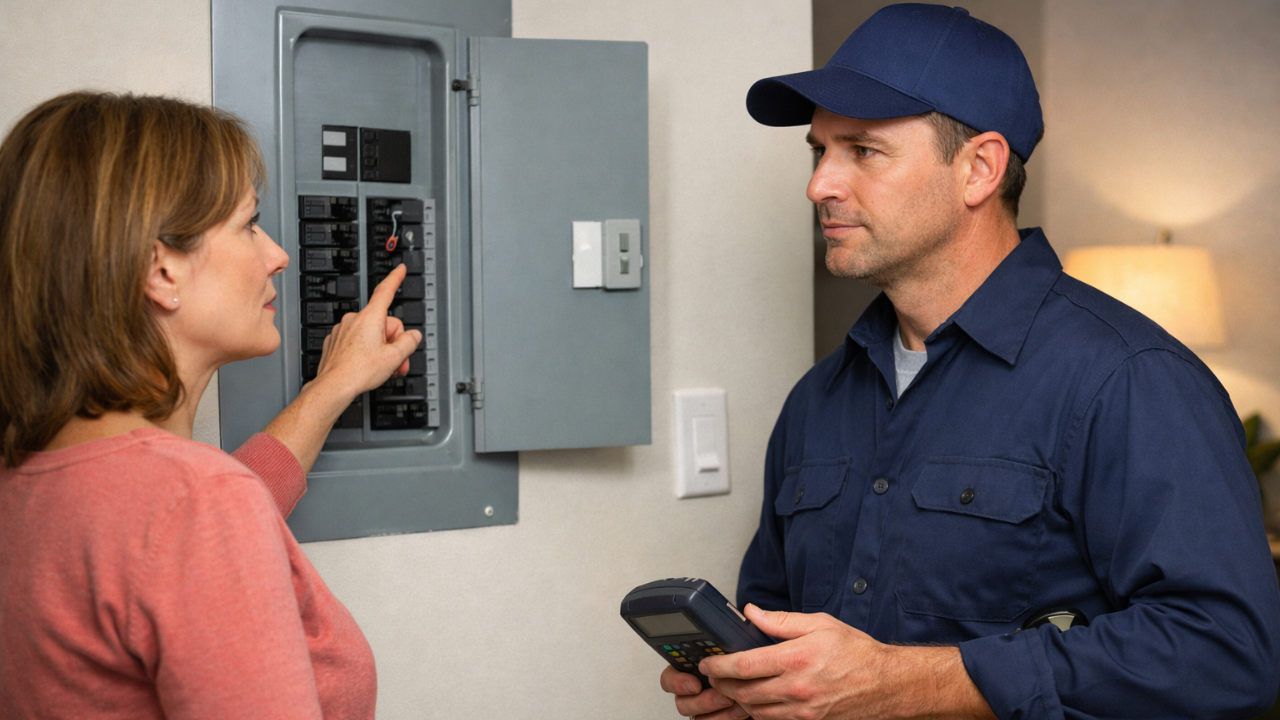
“You might be handy with tools, but some situations require professional expertise. Here’s when you should definitely reach out for help:
Ignoring flickering lights could lead to more severe issues like electrical fires or appliance damage. Don’t risk it!
Flickering or dimming lights might seem trivial at first glance, but they can signal deeper electrical repair needs. If unsure about what’s causing your lighting woes, consider contacting a licensed electrician who can ensure everything is safe and sound.
If your lights are flickering like they’re auditioning for a horror movie, it’s not just spooky—it’s a sign that something might be wrong. A significant number of homeowners report this issue as one of their top electrical repair concerns. In fact, nearly 20% of electrical service calls stem from flickering or dimming lights.
Imagine settling down to read a good book, only to be interrupted by your light acting like it’s on a rollercoaster ride. One moment it’s bright and cheerful, and the next it’s dimmer than a candle in a windstorm. This kind of inconsistency isn’t just annoying; it can indicate underlying issues that could lead to more serious problems if left unchecked.
Outdated Electrical Wiring
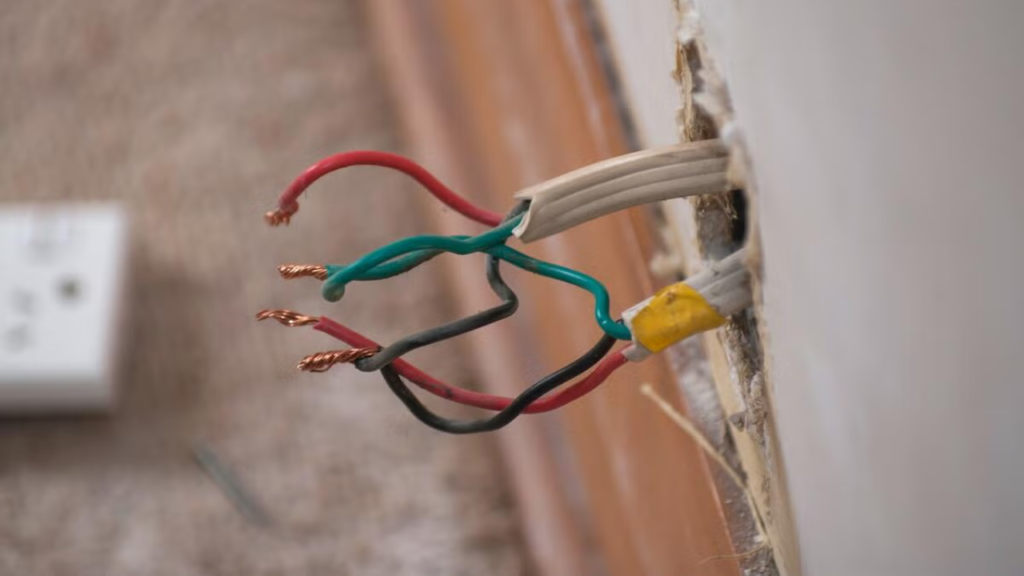
If your home’s wiring is older than your favorite vintage band, it might be time to rethink your electrical setup. A staggering 50% of homes built before the 1980s still have outdated wiring, which can lead to serious safety hazards. This isn’t just a minor inconvenience; it’s a ticking time bomb waiting to go off.
Consider this: a family in Calgary was enjoying a cozy evening when they suddenly smelled smoke. Turns out, their old wiring couldn’t handle the load of their modern appliances, and it started overheating. Luckily, they caught it in time, but many don’t realize the risks until it’s too late.
Signs Your Wiring is Outdated
So how do you know if your wiring is stuck in a bygone era? Here are some telltale signs:
- Frequent tripped breakers when using multiple devices.
- Flickering lights that seem to have a mind of their own.
- Unusual buzzing sounds from outlets or switches.
- Discoloration or scorch marks around outlets.
Important: If you notice these signs, don’t wait for an electrical disaster to happen!
The Risks of Ignoring Outdated Wiring
Outdated wiring sounds like a boring topic until you realize it can lead to fires and electrical shocks. According to the National Fire Protection Association, faulty wiring is responsible for nearly 67% of home electrical fires. That’s not just an inconvenience; that’s potentially life-threatening!
But I’ve never had an issue before! you might say. That’s the catch—outdated wiring can be deceptive. It may seem fine on the surface until one day, it decides to throw a party with sparks and flames.
What Can You Do?
“The good news? Updating your electrical system doesn’t have to be as painful as getting a root canal! Here are steps you can take:
- Schedule an inspection with a licensed electrician who can assess your current wiring.
- Discuss options for upgrading to modern wiring systems that meet today’s safety standards.
- Consider installing additional circuits if you’re adding new appliances or electronics.
Investing in updated wiring not only enhances safety but also increases your home’s value!
Outdated electrical systems are like trying to run Netflix on dial-up internet—frustrating and unsafe! Don’t wait for an emergency; prioritize an upgrade today.
If your home’s wiring is older than your favorite vintage band, it might be time to rethink your electrical setup. A staggering 50% of homes built before the 1980s still have outdated wiring, which can lead to serious safety hazards. This isn’t just a minor inconvenience; it’s a ticking time bomb waiting to go off.
Consider this: a family in Calgary was enjoying a cozy evening when they suddenly smelled smoke. Turns out, their old wiring couldn’t handle the load of their modern appliances, and it started overheating. Luckily, they caught it in time, but many don’t realize the risks until it’s too late.
Malfunctioning Outlets and Switches
If your outlets are playing hide and seek with your devices, it’s not just a game—it’s a problem. A surprising number of homeowners, about 25%, report issues with outlets and switches being unresponsive or malfunctioning. This isn’t just an inconvenience; it can be a gateway to bigger electrical repair issues.
Picture this: you plug in your phone to charge, only to find that the outlet is as dead as a doornail. You jiggle the plug like it’s a magic wand, but nothing happens. This frustrating scenario is all too common and can stem from various underlying issues that need immediate attention.
Common Symptoms of Malfunctioning Outlets
Before you start blaming your devices or the universe, let’s take a look at some classic signs that your outlets or switches might be on the fritz:
- Devices won’t charge or power on when plugged in.
- Outlets feel warm to the touch.
- Switches make buzzing noises when flipped.
- Visible damage like cracks or burn marks around outlets.
What Causes These Issues?
Why is this happening? you might ask. Here are some common culprits behind malfunctioning outlets and switches:
- Wear and tear: Outlets can wear out over time, especially if they’ve been heavily used.
- Loose wiring: Connections may loosen over time, leading to poor contact.
- Overloading: Plugging too many devices into one outlet can cause overheating and damage.
‘DIY Troubleshooting Tips
‘Before you call in an electrician (which may be necessary), here are some troubleshooting steps you can try at home:
- Check if other devices work in the same outlet; this helps identify if it’s an outlet issue or device failure.
- Inspect for visible damage: Look for scorch marks or melted plastic around the outlet.
- Reset any tripped circuit breakers that may affect power supply.
If these steps don’t resolve the issue, it’s time to call in a professional for further diagnosis!
Electrical Surges and Spikes
Ever had your electronics suddenly turn into disco lights? That’s right—electrical surges and spikes can turn your home into a scene straight out of a bad sci-fi movie. Surprisingly, nearly 60% of homeowners have experienced some form of electrical surge, which can lead to costly damages and even safety hazards.
Imagine this: you’re in the middle of an important video call when—boom! The lights flicker, your computer freezes, and you lose connection. Not only is it frustrating, but it could also be a sign that your home’s electrical system is under siege from surges. These little gremlins can wreak havoc on your appliances, leading to expensive electrical repair bills.
What Causes Electrical Surges?
Surges are like those uninvited guests that show up at the worst times. They can be caused by several factors:
- Lightning strikes: A direct hit or nearby strike can send a powerful surge through your wiring.
- Power outages: When power returns after an outage, it often comes back with a surge.
- Faulty wiring: Old or damaged wiring can lead to inconsistent power flow.
- High-powered appliances: Devices like refrigerators or air conditioners can create surges when they cycle on.
The Impact of Electrical Surges
So what? It’s just a flicker, you might think. Think again! Electrical surges can lead to:
- Equipment damage: Sensitive electronics like computers and TVs are particularly vulnerable.
- Shortened lifespan: Frequent surges can reduce the lifespan of your appliances.
- Fire hazards: In extreme cases, surges can cause overheating and fires.
Ever had your electronics suddenly turn into disco lights? That’s right—electrical surges and spikes can turn your home into a scene straight out of a bad sci-fi movie. Surprisingly, nearly 60% of homeowners have experienced some form of electrical surge, which can lead to costly damages and even safety hazards.
Imagine this: you’re in the middle of an important video call when—boom! The lights flicker, your computer freezes, and you lose connection. Not only is it frustrating, but it could also be a sign that your home’s electrical system is under siege from surges. These little gremlins can wreak havoc on your appliances, leading to expensive electrical repair bills.
Overloaded Circuits in Older Homes
If your home is older than your favorite pair of jeans, chances are it’s got circuits that are feeling the strain. Believe it or not, around 70% of homes built before the 1990s have electrical systems that can’t handle the demands of modern life. That’s like trying to run a high-speed internet connection on dial-up!
Imagine this: you’re hosting a dinner party, and while you’re juggling a turkey in the oven and a blender whirring away, suddenly—bam! The lights flicker and everything goes dark. Your guests are left in pitch-black chaos while you scramble to reset the circuit breaker. This isn’t just an embarrassing moment; it’s a sign that your circuits are overloaded.
What Does Overloading Look Like?
Overloaded circuits happen when too many devices draw power from one circuit at the same time. It’s like trying to cram too many people into an elevator—it’s bound to get stuck! Here are some common signs that your circuits might be working overtime:
- Frequent tripping of circuit breakers.
- Dimming lights when multiple devices are used.
- Warm or hot outlets.
- Buzzing sounds from outlets or switches.
Why Older Homes Are More Susceptible
Back in the day, homes were wired for a fraction of the power we use today. With our obsession for gadgets—think smart TVs, gaming consoles, and kitchen appliances—older wiring simply can’t keep up. Many older homes were designed with only one or two outlets per room, leaving homeowners with no choice but to use extension cords like they’re going out of style.
Important: Overloaded circuits not only lead to inconvenience but also pose serious fire hazards.
Ground Fault Circuit Interrupter (GFCI) Issues
If you’ve ever tried to reset a GFCI outlet only to find it trips again faster than a cat can knock over a glass of water, you’re not alone. About 15% of homeowners report issues with GFCI outlets, which are designed to protect us from electrical shocks. But when they malfunction, it’s more than just an annoyance—it could be a sign of deeper electrical repair issues.
Picture this: You’re in the middle of washing dishes when suddenly the outlet controlling your kitchen lights cuts out. You press the reset button on the GFCI, and voilà! The lights flicker back on—only to go dark again moments later. It’s frustrating! But what’s worse is that it hints at potential hazards lurking behind your walls.
Common Causes of GFCI Tripping
GFCIs are like the vigilant watchdogs of your electrical system, but sometimes they bark at shadows. Here are some common reasons why they might be tripping more than usual:
- Moisture: Water and electricity don’t mix, and if there’s moisture near the outlet, it may trip.
- Overloaded circuits: Too many devices plugged into one circuit can cause issues.
- Faulty appliances: Sometimes an appliance is the culprit—think about that toaster that sparks every time you use it.
- Wiring problems: Damaged or outdated wiring can lead to ground faults.
Troubleshooting Steps
‘Before you throw in the towel and call an electrician, here are some troubleshooting steps you can take to identify the problem without losing your sanity:
‘If these steps don’t solve the issue, it’s time to call in a professional before things escalate.’
Emergency Electrical Failures
When the lights go out and the fridge hums its last tune, you’re not just facing a minor inconvenience—you’re in the middle of an emergency electrical failure. A staggering 65% of homeowners have reported experiencing some form of electrical failure at least once, and if you think it won’t happen to you, think again!
Picture this: it’s Friday night, your favorite show is about to start, and suddenly, everything goes dark. You check the breaker—nothing. You call your buddy who claims to be ‘handy’ with electrical work, but he ends up making things worse. Now you’re left in the dark, both literally and figuratively.
Common Causes of Emergency Electrical Failures
Emergency electrical failures can stem from various issues that often catch homeowners off guard. Here are some common culprits:
- Severe weather events: Storms can knock out power lines or cause surges.
- Faulty wiring: Old or damaged wiring may not handle modern loads.
- Overloaded circuits: Too many devices on one circuit can lead to a meltdown.
- Equipment malfunctions: Appliances that short circuit can take down your whole system.
Signs You Might Be Facing an Emergency
How do I know if I’m facing an emergency? you might ask. Here are some telltale signs that your electrical system is waving a red flag:
- ‘Flickering lights that seem to have a mind of their own.
- ‘Burning smells or scorch marks around outlets.
- ‘Frequent tripping of circuit breakers without any apparent reason.
- ‘Buzzing sounds coming from outlets or switches.
If you notice any of these signs, don’t wait for things to go from bad to worse—call a licensed electrician immediately!
What To Do When Disaster Strikes
- Stay calm! Panicking won’t help anyone.
- Check your circuit breakers; sometimes they just need a reset.
- Avoid using candles; opt for flashlights instead to reduce fire risk.
- If safe, unplug major appliances to prevent damage when power returns.
Always prioritize safety! If there’s any sign of smoke or sparks, evacuate immediately and call emergency services.
Emergencies happen when we least expect them. It’s crucial to stay prepared by knowing who to call when disaster strikes—like your trusty local electrician who knows how to tackle these situations head-on. Don’t wait until it’s too late!
When the lights go out and the fridge hums its last tune, you’re not just facing a minor inconvenience—you’re in the middle of an emergency electrical failure. A staggering 65% of homeowners have reported experiencing some form of electrical failure at least once, and if you think it won’t happen to you, think again!
Picture this: it’s Friday night, your favorite show is about to start, and suddenly, everything goes dark. You check the breaker—nothing. You call your buddy who claims to be ‘handy’ with electrical work, but he ends up making things worse. Now you’re left in the dark, both literally and figuratively.
Don’t wait for a spark—get your electrical repairs inspected today. (403) 437-9911 for immediate peace of mind.