Welcome to the electrifying world of your home’s electrical panel! If you’ve ever wondered how your devices stay powered or how that mysterious box in your basement works, you’re in the right place. Think of your electrical panel as the brain of your home’s electrical system it’s where all the magic happens, distributing electricity like a well-orchestrated symphony.
In this complete guide, we’ll break down everything you need to know about your electrical panel, from installation and upgrades to troubleshooting and safety inspections. Whether you’re a DIY enthusiast or someone who just wants to understand their home better, we’ve got you covered!
Let’s dive into what makes this crucial component tick. Spoiler alert: it’s not just a boring box with switches! Your residential electrical panel is packed with features that ensure your home runs smoothly and safely.
Key Takeaway: Understanding your electrical panel is essential for maintaining a safe and efficient home. Stay tuned for insights on upgrades, installations, and more!
What is an Electrical Panel?
Picture this: your home’s electrical panel is like the brain of your electrical system, orchestrating the flow of electricity throughout your abode. But what exactly is an electrical panel? Let’s break it down!
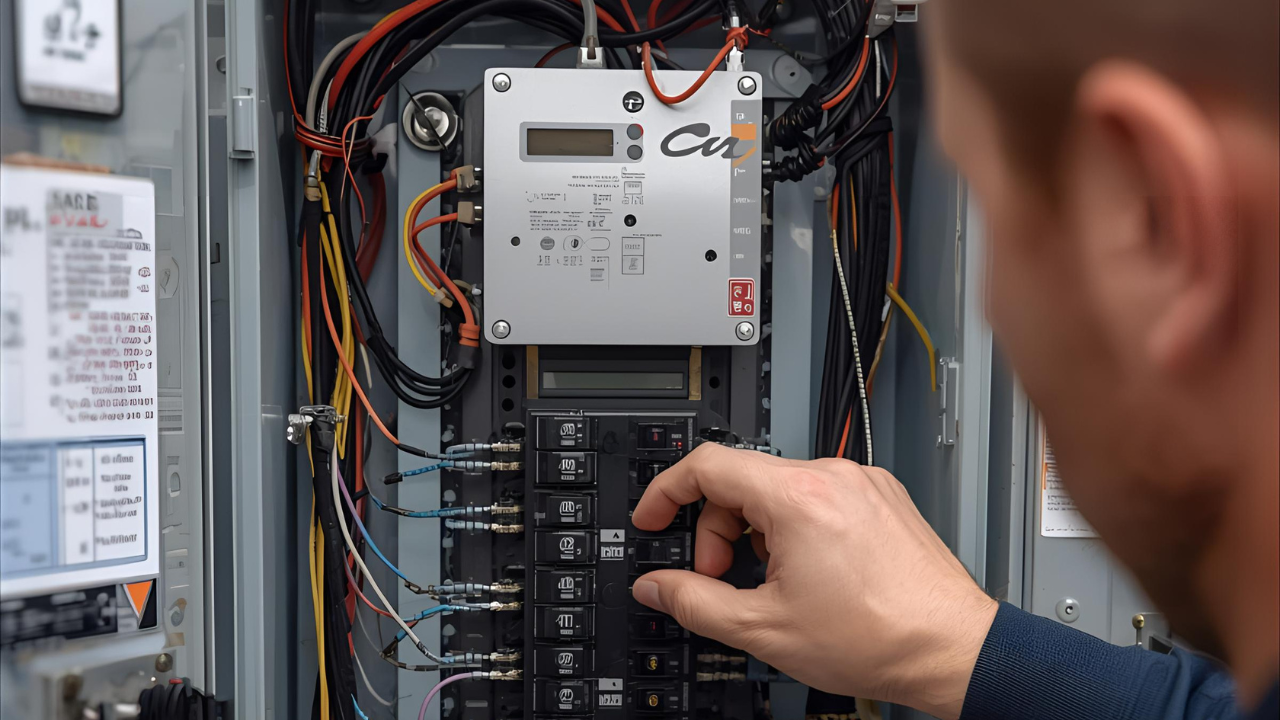
An electrical panel, also known as a main service panel or a breaker box, serves as the central hub for your home’s electrical distribution. It takes power from the utility company think of it as a delivery service for electricity and distributes it to various circuits throughout your home, ensuring that every light bulb and appliance gets its fair share of juice.
Key Functions:
- Distributes electricity to different circuits in your home.
- Protects circuits with circuit breakers or fuses from overloads.
- Facilitates easy access for maintenance and upgrades.
Components of an Electrical Panel
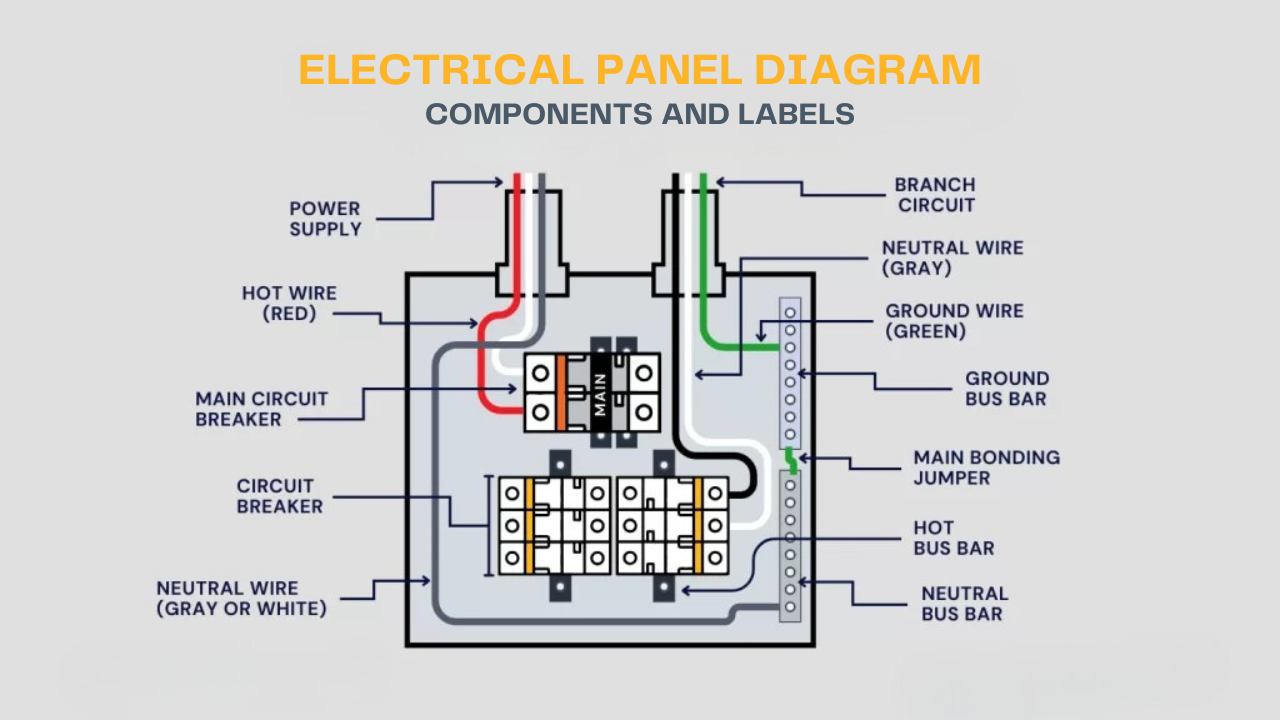
The inner workings of an electrical panel might seem like a mystery, but they are quite straightforward once you get to know them. Here are the main components:
- Main Breaker: This is like the big boss that controls all the smaller circuit breakers. If things get too hot (literally), it can shut everything down to prevent fires.
- Circuit Breakers: These little guys are responsible for protecting individual circuits. If there’s too much current flowing through, they trip and cut off power, preventing damage and hazards.
- Bus Bars: Think of these as highways for electricity within the panel, directing power to where it’s needed.
- Grounding System: This ensures any stray current has a safe path to ground, keeping you and your home safe from shocks.
If you’re considering an upgrade or installation of a new electrical panel whether it’s a residential or commercial electrical panel it’s crucial to understand these components. They play pivotal roles in maintaining safety and efficiency in your home’s electrical system.
Types of Electrical Panels
When it comes to your home’s electrical panel, variety is the spice of life! Each type serves a unique purpose and can make or break your electrical experience. Let’s dive into the different types of electrical panels that keep our homes buzzing with energy.
- Main Service Panel This is the heart of your home’s electrical system, often referred to as the main breaker panel. It distributes electricity throughout your home and houses the circuit breakers that control individual circuits. If you ever need to upgrade to a larger capacity, this is where it all begins!
- Circuit Breaker Panel Similar to the main service panel but designed specifically for individual circuits. These panels are essential for protecting your home from overloads and short circuits. Think of them as the bouncers at an exclusive club keeping everything in check!
- Fuse Box Ah, the classic! Fuse boxes are becoming less common in modern homes but still exist in many older properties. Instead of circuit breakers, they use fuses that blow when overloaded. While nostalgic, they can be less convenient than their modern counterparts.
- Subpanel Installation A subpanel is like a mini main service panel, perfect for larger homes or those with extensive electrical needs. It allows you to manage additional circuits without overloading your main panel think of it as having a sidekick to help manage all that energy!
- Smart Electrical Panels The future is here! Smart electrical panels allow you to monitor and control your energy usage remotely through an app on your phone. They can help optimize energy consumption and even alert you about potential issues before they become major problems!
Takeaway: Choosing the right type of electrical panel is crucial for efficiency and safety in your home. Whether you’re considering an upgrade or just curious about what powers your gadgets, understanding these options will help you make informed decisions.
If you’re feeling overwhelmed by all this information, don’t worry! A qualified electrician can guide you through selecting the best electrical panel for your needs just remember to ask about the latest trends like smart panels!
Understanding Electrical Panel Components
When it comes to your electrical panel, understanding its components is like knowing the secret ingredients in your favorite recipe. Each part plays a crucial role in keeping your home’s electrical system running smoothly. Let’s break it down!
- Main Breaker Panel The heart of your electrical distribution system, the main breaker panel, is where all the magic happens. It acts as the central hub that distributes electricity throughout your home. Think of it as the traffic cop directing power to different circuits.
- Circuit Breakers and Their Functions Circuit breakers are like the bouncers at an exclusive club, only allowing a certain amount of current to pass through. If things get too rowdy (or if there’s an overload), they trip and cut off the power to prevent damage or fire hazards. It’s their job to keep everything safe and sound!
- Load Center Overview The load center is essentially a mini-command center within your electrical panel. It manages how much electricity each circuit receives, ensuring that no single circuit gets overwhelmed. Imagine it as a smart traffic manager that ensures all streets (or circuits) are flowing smoothly.
- Electrical Distribution Board Explanation This component is like the conductor of an orchestra, coordinating various electrical circuits within your home or building. It helps distribute power effectively and can be found in both residential and commercial settings. A well-organized distribution board means fewer headaches down the line!
Remember: Regular maintenance of these components can prevent costly repairs later on. Consider scheduling an electrical safety inspection with professionals who know their stuff!
Signs You Need an Electrical Panel Upgrade or Replacement
Is your electrical panel feeling a bit like a vintage car? It might be time for an upgrade! Here are some telltale signs that your electrical panel needs a little TLC, or perhaps a full-on replacement.
- Aging panels and their risks: If your electrical panel is older than your favorite childhood toy, it’s likely not keeping up with modern demands. Aging panels can pose serious safety risks, including fire hazards.
- Frequent circuit breaker trips or blown fuses: If you find yourself playing the game of “reset the breaker” more often than you’d like, it’s a clear sign that your panel is struggling to handle the load. This could indicate that your current setup isn’t sufficient for your power needs.
- Inadequate power supply for modern needs: With all our gadgets and gizmos today, upgrading to a 200 amp service might be necessary. If you’re constantly running out of power during movie nights or video game marathons, it’s time to consider an upgrade.
- Outdated technology: If you’re still rocking a fuse box instead of a circuit breaker panel, you’re living in the past! Modern homes benefit from circuit breakers which offer better protection and are easier to reset.
Takeaway: Upgrading your electrical panel not only enhances safety but also ensures you have enough juice for all your devices. Don’t wait until it’s too late consider an inspection today!
The Process of Electrical Panel Installation and Replacement
So, you’re thinking about upgrading your electrical panel? Whether you’re replacing an aging fuse box or installing a shiny new circuit breaker panel, the process can feel a bit daunting. But fear not! We’re here to break it down into manageable steps, like a DIY project you can actually handle without calling in the cavalry.
Initial Assessment and Inspection
The first step in any electrical panel installation or replacement is a thorough assessment by licensed professionals. They’ll check your current setup for:
- Existing electrical load and capacity
- Age and condition of your current panel
- Any safety hazards that need addressing
This step is crucial because it helps determine if you need an electrical panel upgrade or just a simple replacement. After all, no one wants to upgrade to a 200 amp service only to find out their wiring can’t handle it!
Selecting the Right Type of Panel
Next up, it’s time to choose the right type of electrical panel for your needs. Are you working on a residential electrical panel or something more industrial? Here are some options:
- Residential Electrical Panels: Perfect for homes, these panels come in various sizes (like the popular 200 amp service).
- Commercial Electrical Panels: Designed for businesses with higher power demands.
- Smart Electrical Panels: These tech-savvy panels allow for energy monitoring and management right from your smartphone!
The Installation Process Step-by-Step
Now comes the fun part the actual installation! Here’s what you can expect during this phase:
- Power Shutoff: The first order of business is ensuring safety by shutting off power to your home.
- Dismantling the Old Panel: If you’re replacing an old unit, this will involve carefully removing it while ensuring all wiring is accounted for.
- Wiring Setup: Next up is connecting new wires to your main service panel, making sure everything complies with Canadian code standards.
- Mounting the New Panel: The new electric service panel gets securely mounted in place, ready to take on all your home’s power needs.
- Circuit Breaker Installation: Finally, circuit breakers are installed according to your specific load requirements. This is where you can get creative with future expansions in mind!
- Final Safety Inspection: A thorough inspection ensures everything has been done correctly and safely before flipping that switch back on!
Remember: Always hire licensed electricians for any electrical work. It’s not just about compliance; it’s about safety!
An efficient installation process means fewer headaches down the line. Plus, knowing how this works empowers you as a homeowner so when someone asks about your electric service panel, you can drop some knowledge like a pro!
Circuit Breaker Box Replacement: What to Expect?
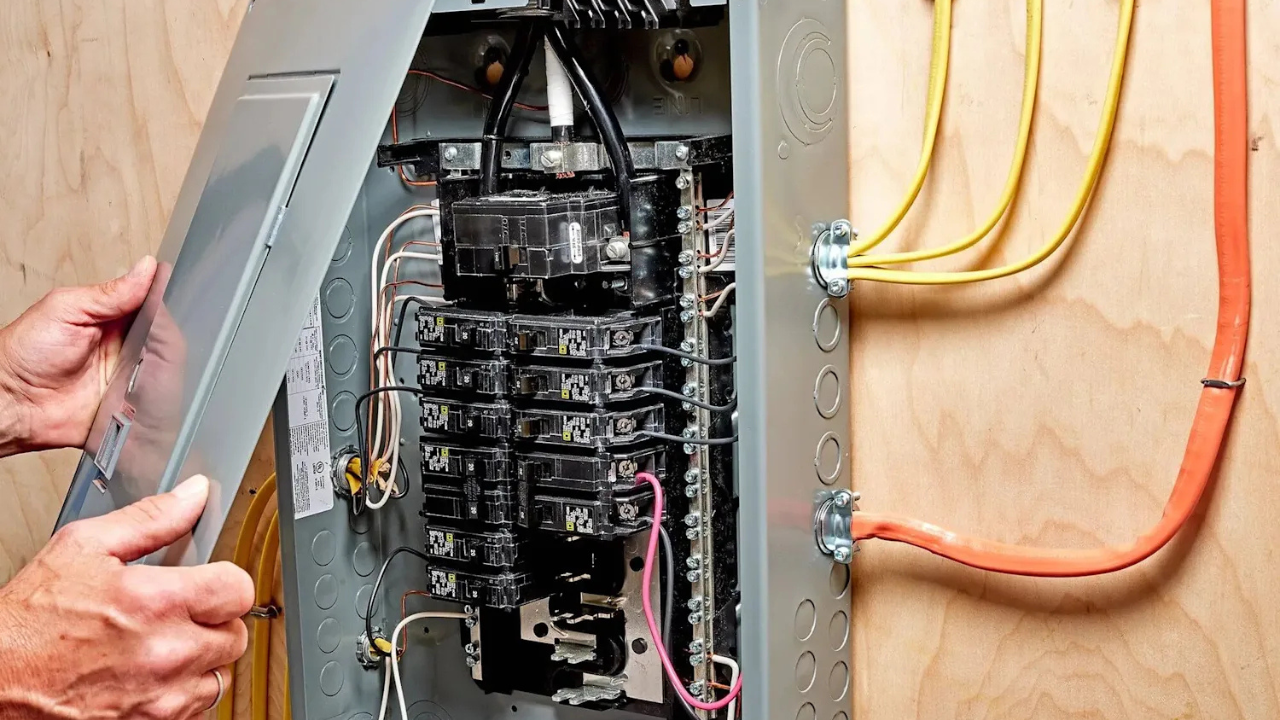
So, you’ve decided to replace your circuit breaker box. Kudos! This is a big step toward ensuring your home’s electrical safety and efficiency. But what can you expect during this process? Let’s break it down.
Initial Consultation and Assessment
Your journey begins with an initial consultation. A licensed electrician will assess your current electrical panel and determine whether a replacement is necessary. They’ll check for:
- Signs of wear and tear
- Compatibility with modern electrical demands
- Overall safety compliance with local codes
Selecting the Right Circuit Breaker Box
Next up, you’ll need to choose the right circuit breaker box. This decision is like picking out a new phone; you want something that fits your lifestyle! Here are a few options:
- 200 Amp Service Panel: Perfect for homes with heavy electrical usage.
- Smart Electrical Panels: These tech-savvy options can monitor energy usage in real-time.
- Subpanels: Ideal for homes that need additional circuits for specific areas, like a workshop or garage.
The Installation Process
The actual replacement process typically takes a few hours but can vary based on the complexity of the installation. Here’s what happens:
- The electrician will turn off power to the existing panel safety first!
- The old circuit breaker box will be removed, along with any outdated wiring.
- Your new panel will be installed, complete with new breakers as needed.
- A thorough inspection will be conducted to ensure everything is up to code.
- Your power will be restored, and voilà! You’re back in business!
Remember: Proper installation is crucial for both safety and performance. Always hire licensed professionals for any electrical work!
Post-Installation Tips
After installation, it’s essential to keep an eye on your new circuit breaker box. Here are some tips:
- Schedule Regular Inspections: Regular checks can help catch potential issues before they become major problems.
- Avoid Overloading Circuits: Be mindful of how many devices you plug into each circuit.
- Stay Informed: Familiarize yourself with how your new panel works knowledge is power (pun intended)!
Circuit breaker box replacement might seem daunting at first, but with the right preparation and professional help, it can be a smooth experience that enhances your home’s electrical safety. So gear up for an upgrade your future self will thank you!
The Importance of Regular Electrical Safety Inspections
When it comes to your home’s electrical panel, think of it as the heart of your electrical system. Just like you wouldn’t skip a check-up for your own heart, you shouldn’t overlook regular electrical safety inspections. These inspections are crucial for ensuring that your electrical panel and overall system are functioning safely and efficiently.
So, why should you prioritize these inspections? Here are some compelling reasons:
- Preventing Hazards: Faulty wiring or aging components can lead to dangerous situations like electrical fires. Regular safety inspections help identify potential hazards before they become catastrophic.
- Compliance with Codes: Electrical codes evolve, and staying compliant is essential especially if you’re considering an electrical panel upgrade. Inspections ensure that your system meets current standards.
- Extending Lifespan: Just like a car needs regular maintenance to run smoothly, your electrical panel benefits from periodic checks. This can extend its lifespan and save you money on premature replacements.
- Identifying Overloads: If you’re running multiple high-demand appliances, an inspection will help determine if your current setup can handle the load or if it’s time to consider a 200 amp service panel.
- Peace of Mind: Knowing that a professional has assessed your system provides peace of mind. You can rest easy knowing that your home is safe from electrical issues.
Key Takeaway: Regular electrical safety inspections are not just a good idea they’re essential for preventing hazards, ensuring compliance, and extending the life of your electrical systems.
If you’re in Calgary and haven’t had an inspection recently, now’s the time! Reach out to local experts who can provide comprehensive assessments tailored to both residential and commercial needs. After all, when it comes to electricity, it’s better to be safe than sorry!
Coding Compliance for Electric Panels in Canada
When it comes to electrical panels, Canada doesn’t mess around. The Canadian Electrical Code (CEC) lays down the law on safety standards and compliance for all types of electrical installations, including residential and commercial electric panels. Adhering to these codes is not just a good idea; it’s the law!
So, what does coding compliance mean for your electrical panel? Let’s break it down:
- Safety First: The primary goal of these codes is to ensure safety. Properly installed panels reduce the risk of electrical fires and hazards that can arise from faulty wiring or overloaded circuits.
- Permits and Inspections: Before you dive into an electrical panel installation, you’ll need permits. This ensures that your setup meets local codes. And yes, expect inspections too because no one wants a surprise visit from Mr. Fire Inspector!
- Panel Types Matter: Different types of panels have different code requirements. For instance, a residential electrical panel might have different stipulations compared to an industrial electrical panel.
- Upgrading Standards: If you’re considering an electrical panel upgrade, make sure your new installation meets current standards. This includes everything from the amperage capacity (like upgrading to a 200 amp service) to the type of circuit breakers used.
The Importance of Compliance
A compliant electrical panel is like a well-oiled machine it runs smoothly and efficiently! Non-compliance can lead not only to safety hazards but also insurance issues should something go wrong. Imagine explaining to your insurance company why your home burned down due to a non-compliant installation yikes!
Common Misconceptions
- “I can DIY my panel replacement”: While DIY projects are fun, this isn’t one you want to tackle without professional help. Incorrect installations can lead to serious hazards.
- “Old panels are fine as long as they work”: Just because it powers your lights doesn’t mean it’s safe! Older panels may not meet current standards and could pose risks.
Key Takeaway: Always consult with licensed electricians who are familiar with Canadian standards before any major work on your electrical system.
If you’re ever unsure about whether your home’s electric service panel meets code compliance, don’t hesitate to reach out for an electrical safety inspection. It’s better to be safe than sorry when it comes to electricity!
Cost Considerations: Upgrading Your Electrical Service Panel in Canada
Upgrading your electrical panel is not just a smart move; it’s often a necessity for modern living. But before you start daydreaming about that shiny new 200 amp service panel, let’s break down the costs involved so you won’t be left with a shocking bill!
Factors Influencing Cost
- Panel Type: The type of panel you choose (residential vs. commercial) can significantly affect the price. A standard residential electrical panel may cost less than a robust commercial electrical panel.
- Installation Complexity: If your home wiring needs an upgrade, or if you’re moving from an old fuse box to a circuit breaker panel, expect additional labor costs.
- Labor Costs: Hiring a licensed electrician is crucial for safety and compliance. Labor rates can vary, but in Canada, they typically range from to 0 per hour.
- Add-ons and Upgrades: If you’re opting for features like smart electrical panels or additional circuit breakers, those extras will add to your total.
Typical Costs
The average cost of an electrical panel upgrade in Canada can range from ,500 to ,000. Here’s how the costs typically break down:
| Service | Estimated Cost (CAD) |
|---|---|
| Basic Electrical Panel Upgrade | ,500 – ,500 |
| Circuit Breaker Box Replacement | 0 – ,000 |
| Add-on Circuit Breakers | – 0 each |
| Electrical Safety Inspection | 0 – 0 |
Remember: Always get multiple quotes from electricians near you to ensure you’re not overpaying!
The Long-Term Benefits
An upgraded electrical panel not only ensures that your home meets current safety standards but also enhances energy efficiency and reliability. Think of it as investing in peace of mind! Plus, with energy-efficient panels becoming more common, you might even save on your electricity bills.
If you’re considering upgrading your home wiring in Canada or need assistance navigating the costs of an electrical panel replacement, don’t hesitate to reach out to local experts. They can provide tailored advice and help ensure your upgrade adheres to Canadian standards.
Takeaway: Upgrading your electrical service panel is an investment worth making for safety and efficiency just be sure to budget wisely!
Conclusion
So, there you have it! Your electrical panel is not just a boring box on the wall; it’s the heart of your home’s electrical system, pumping power to every nook and cranny. Understanding your electrical panel can save you from unexpected blackouts and costly repairs, making it a crucial part of home maintenance.
Whether you’re contemplating an electrical panel upgrade, considering a circuit breaker box replacement, or simply curious about how to keep your system running smoothly, knowledge is power (pun intended!). Regularly checking in on your home’s electrical system can help you avoid the dreaded “flickering lights” scenario.
Key Takeaways:
- Keep an eye out for signs that indicate your electrical panel might need an upgrade.
- Consider professional inspections to ensure compliance with local codes.
- If you’re in Canada, be aware of the costs associated with upgrading to a 200 amp service.
If you’re ever unsure about your electrical panel or need assistance with installation or replacement, don’t hesitate to reach out to a qualified electrician. They can provide insights tailored to your specific needs and ensure everything is up to code. After all, safety first!
Now that you’re armed with knowledge about your home’s electrical panel, why not take that next step? Schedule an electrical safety inspection today and ensure that your home remains safe and efficient!