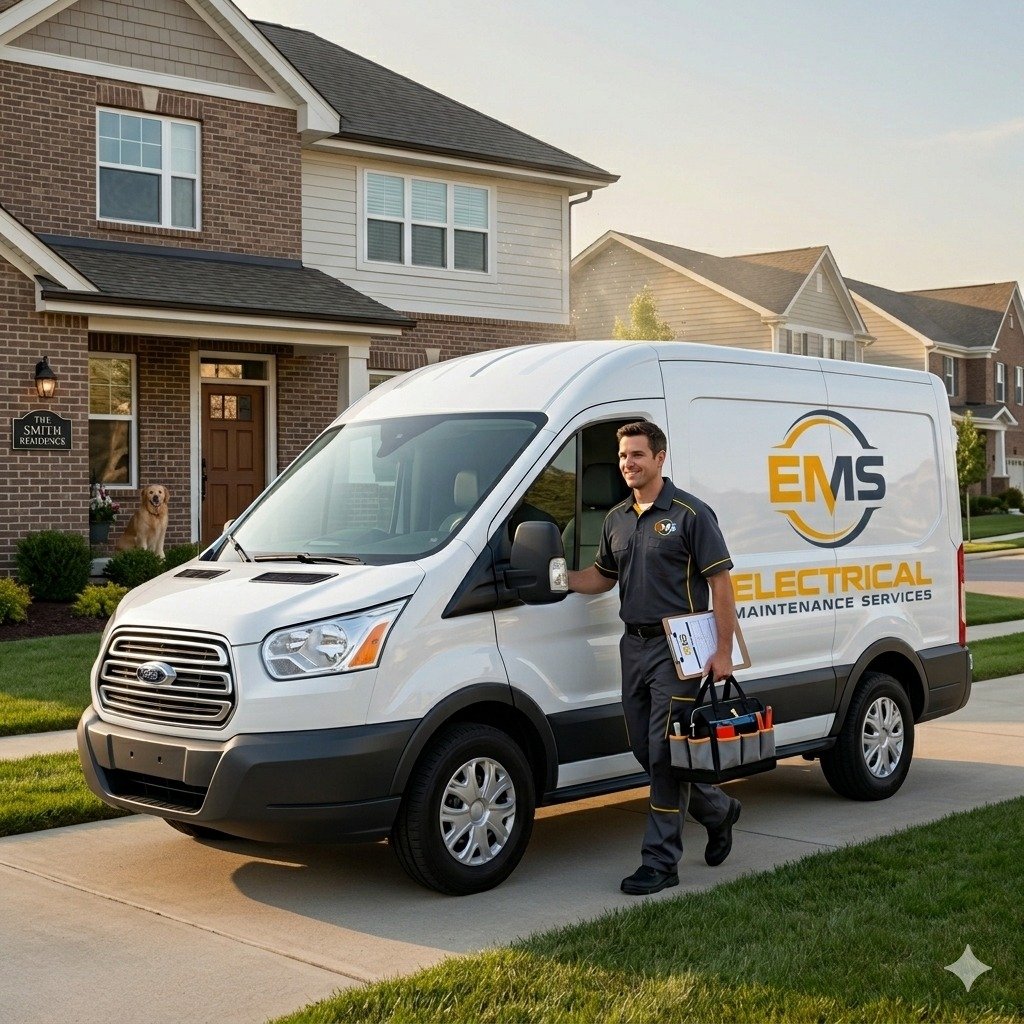
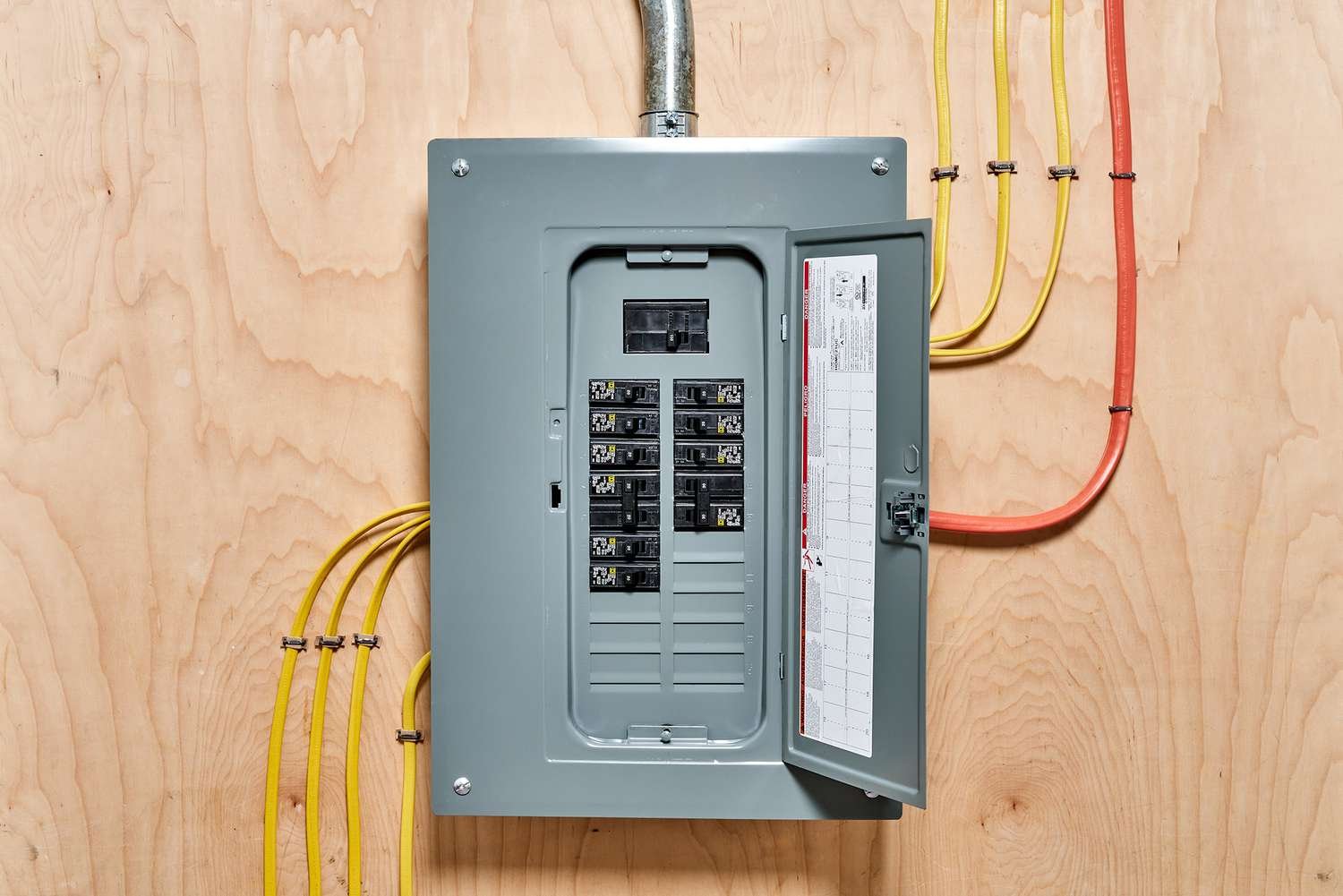
An electrical panel upgrade refers to the process of replacing or enhancing the main electrical service panel in a home. The electrical panel, often referred to as the breaker box, is a critical component of a home’s electrical system. It serves as the central hub that distributes electricity throughout the house, managing the flow of electrical current to various circuits.
Upgrading this panel is essential when a home’s electrical needs exceed the capacity of the existing system, which can occur due to increased energy consumption from modern appliances, home expansions, or the addition of new technology. Upgrading an electrical panel typically involves installing a new panel with a higher amperage rating, which allows for greater electrical load capacity. This process may also include updating wiring and circuit breakers to ensure safety and compliance with current electrical codes.
Homeowners may consider an upgrade not only for increased capacity but also for improved safety features, such as surge protection and better circuit management, which can prevent overloads and reduce the risk of electrical fires.
Key Takeaways
- An electrical panel upgrade is the replacement of an outdated or insufficient electrical panel with a new one to meet the electrical demands of a home.
- Signs that your home needs an electrical panel upgrade include frequently tripping breakers, flickering lights, and outdated panel technology.
- Factors that affect the cost of an electrical panel upgrade include the size of the home, the existing electrical system, and the type of panel being installed.
- The process of an electrical panel upgrade involves a professional electrician assessing the home’s electrical needs, obtaining necessary permits, and safely installing the new panel.
- Investing in an electrical panel upgrade can improve the safety, efficiency, and reliability of a home’s electrical system, potentially increasing its value.
Signs that Your Home Needs an Electrical Panel Upgrade
There are several indicators that suggest a home may require an electrical panel upgrade. One of the most common signs is frequent tripping of circuit breakers. If breakers are constantly shutting off, it may indicate that the panel is unable to handle the electrical load being placed on it.
Additionally, if homeowners notice flickering lights or dimming when multiple appliances are in use, this could signal that the electrical system is struggling to meet demand. Another sign that an upgrade may be necessary is the presence of outdated or insufficient wiring. Homes built several decades ago often have panels rated for 60 amps or less, which may not be adequate for today’s energy needs.
Furthermore, if homeowners are planning to add significant electrical loads—such as a home office with multiple computers, electric vehicle chargers, or high-capacity appliances—they should consider an upgrade to ensure their system can handle these demands safely.
Factors that Affect the Cost of an Electrical Panel Upgrade
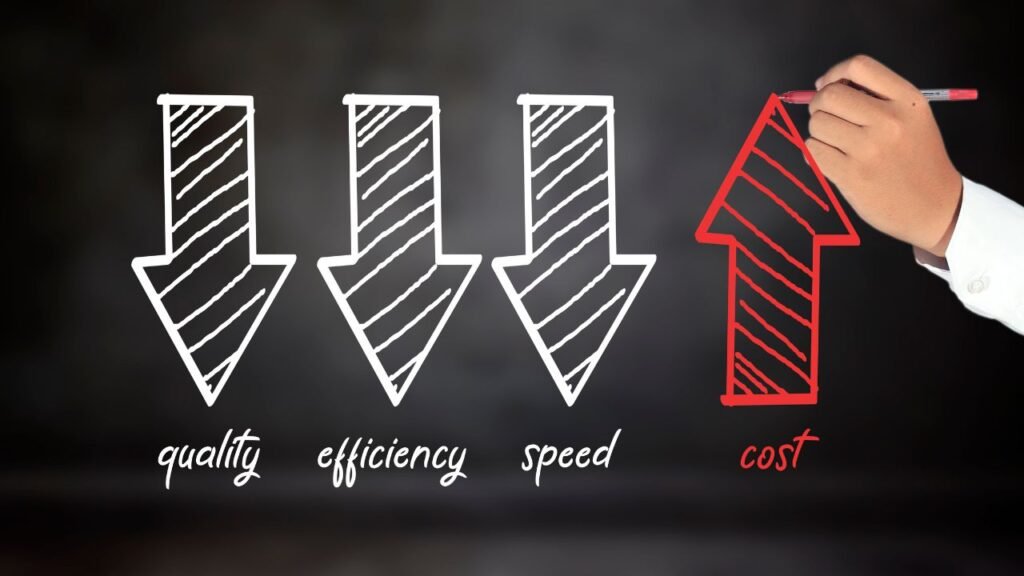
The cost of upgrading an electrical panel can vary significantly based on several factors. One primary consideration is the amperage rating of the new panel. Higher-rated panels, such as those offering 200 amps or more, typically come with a higher price tag due to their increased capacity and complexity.
Additionally, the cost of labor can fluctuate depending on the region and the specific electrician’s rates, which can influence the overall expense of the project. Other factors that can impact the cost include the condition of existing wiring and circuits. If outdated or damaged wiring needs to be replaced or if additional circuits are required, this will add to the total cost.
Permitting and inspection fees may also apply, as many jurisdictions require permits for electrical work to ensure compliance with safety standards. Homeowners should also consider any potential upgrades to their service entrance or meter, which may be necessary if they are significantly increasing their electrical capacity.
Understanding the Process of an Electrical Panel Upgrade
| Process Step | Description |
|---|---|
| Evaluation | Assess the current electrical panel and determine if an upgrade is necessary. |
| Permitting | Obtain necessary permits from local authorities before starting the upgrade. |
| Panel Selection | Choose the appropriate new electrical panel based on the specific needs of the property. |
| Installation | Remove the old panel and install the new one, ensuring all connections are properly made. |
| Inspection | Have the upgraded panel inspected to ensure it meets all safety and building code requirements. |
| Testing | Conduct thorough testing of the new panel to ensure it is functioning correctly and safely. |
| Completion | Finalize the upgrade process and provide documentation of the work for the property owner. |
The process of upgrading an electrical panel typically begins with a thorough assessment by a licensed electrician. This assessment includes evaluating the current panel, understanding the homeowner’s electrical needs, and determining the appropriate amperage for the new panel. Once a plan is established, the electrician will obtain any necessary permits and schedule a time for the installation.
During the installation process, power to the home will be temporarily shut off to ensure safety while work is being performed. The old panel will be removed, and the new panel will be installed along with any required wiring upgrades. After installation, the electrician will conduct tests to ensure everything is functioning correctly and safely before restoring power to the home.
Finally, inspections may be required to verify that all work meets local codes and regulations.
Benefits of Investing in an Electrical Panel Upgrade
Investing in an electrical panel upgrade offers numerous benefits for homeowners. One of the most significant advantages is enhanced safety. Modern panels come equipped with advanced safety features that help prevent overloads and reduce the risk of electrical fires.
By upgrading, homeowners can ensure their electrical systems are up-to-date with current safety standards. Additionally, an upgraded panel can improve energy efficiency and accommodate modern appliances that require more power. This can lead to lower energy bills over time as homeowners can utilize energy-efficient devices without overloading their systems.
Furthermore, an upgraded panel can increase a home’s resale value, making it more attractive to potential buyers who prioritize safety and modern amenities.
Hiring a Professional for Your Electrical Panel Upgrade
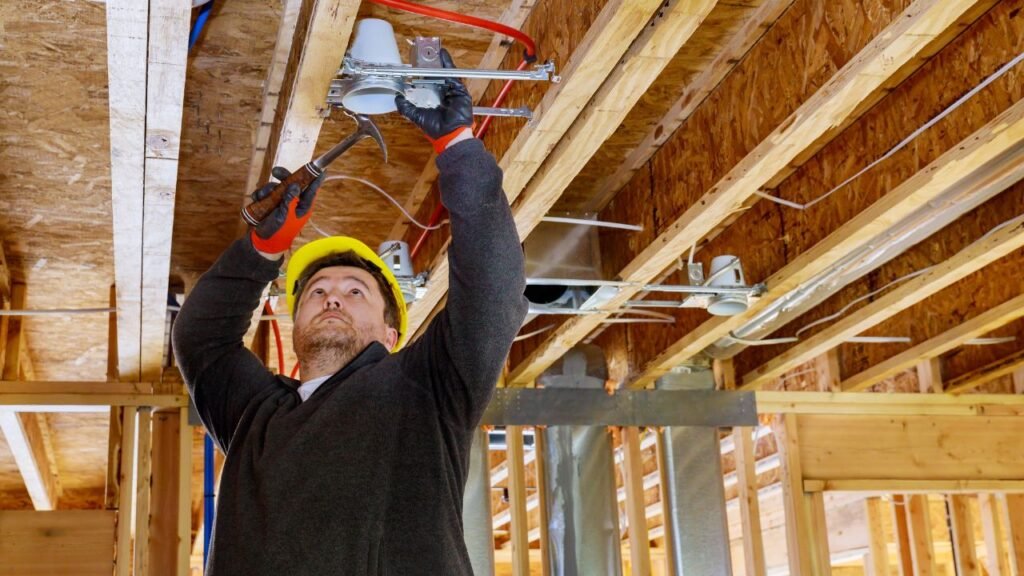
When considering an electrical panel upgrade, hiring a qualified professional is crucial for ensuring safety and compliance with local codes. Licensed electricians possess the necessary training and experience to handle complex electrical systems and can provide valuable insights into the best options for your specific needs. They can also navigate any permitting processes required by local authorities, saving homeowners time and potential headaches.
Moreover, professional electricians can identify any underlying issues that may not be immediately apparent to homeowners, such as outdated wiring or potential hazards within the existing system. By entrusting this task to a professional, homeowners can have peace of mind knowing that their electrical system is being upgraded safely and effectively.
Budgeting and Financing Options for an Electrical Panel Upgrade

Budgeting for an electrical panel upgrade requires careful consideration of various costs involved in the process. Homeowners should start by obtaining multiple quotes from licensed electricians to compare prices and services offered. This will help establish a realistic budget based on local market rates and specific project requirements.
For those concerned about upfront costs, several financing options are available. Many electricians offer payment plans or financing through third-party lenders that allow homeowners to spread out payments over time. Additionally, some utility companies provide rebates or incentives for upgrading to energy-efficient systems, which can help offset costs.
Homeowners should explore all available options to find a solution that fits their financial situation while ensuring their home’s electrical system is safe and efficient.